Bamboo viscose against modal
Sep 12, 2026
Short answer: Modal and bamboo viscose are both regenerated fibres, and they are more alike than most people think. The difference lies in the raw material and in slightly more body in modal, while bamboo viscose drapes softer and closer to the body. In everyday wear, most people notice only a small difference.
Same family, different raw material
Modal is made from beech wood, and bamboo viscose is made from bamboo. Both start as plant pulp, where the cellulose is dissolved and spun out again as a new thread. That is why they are called regenerated fibres. The processes are similar, so the two fabrics feel almost the same in the hand.
What regenerated means
A regenerated fibre is neither a pure natural fibre nor a synthetic one. The raw material is a plant, but the fibre is rebuilt along the way. This gives long, even threads without knots, which make the fabric smooth and soft. Modal and bamboo viscose both belong here, along with lyocell, which is made slightly differently.
Drape and body
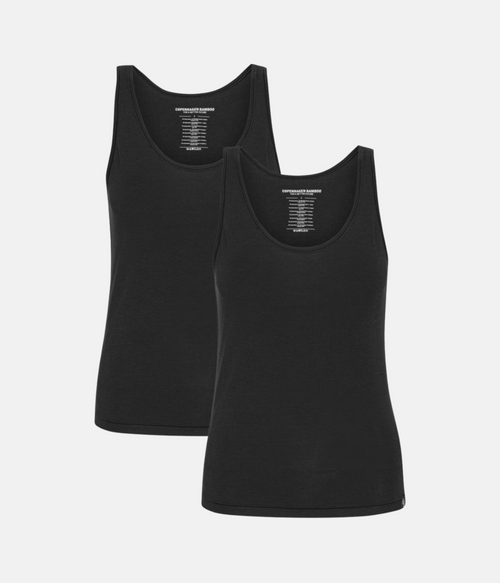
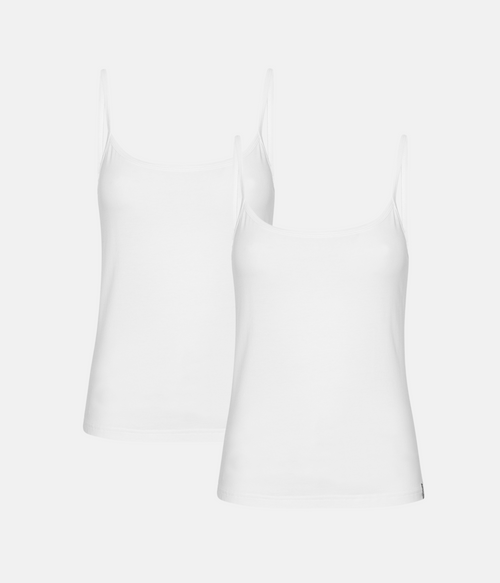
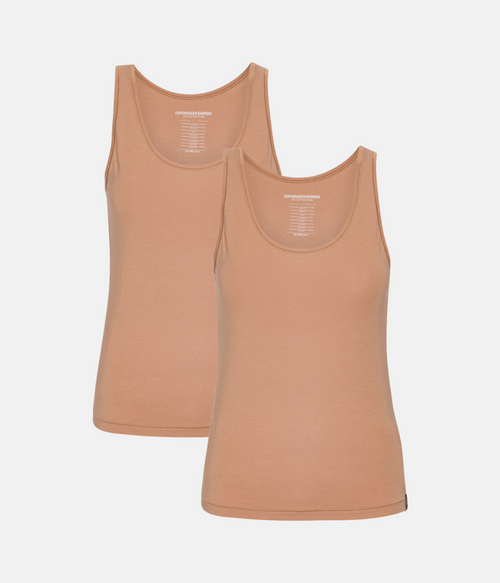
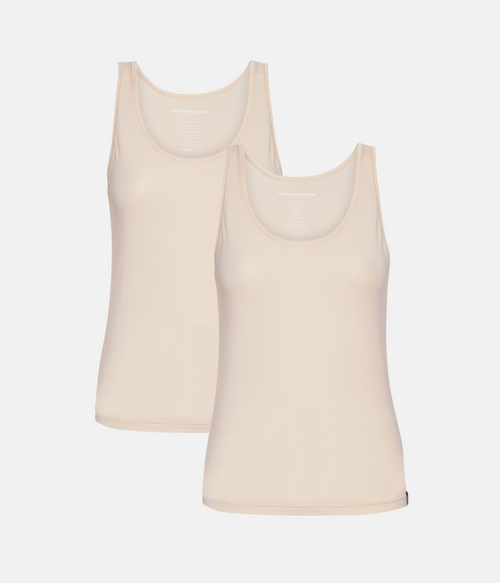
The difference most often mentioned is drape. Modal often has slightly more body, so the fabric stands a little away from the body. Bamboo viscose drapes softer and closer and follows your shape. You notice it most in thin pieces worn against the skin, such as bamboo T-shirts for women.
What drape means for fit
A fabric with a close drape settles neatly over shoulders and waist without bulging. A fabric with more body leaves a little more air between you and the garment. Neither is better in itself. For tops worn alone or under a cardigan, many prefer the close drape, see bamboo tops for women.
Softness against the skin
When it comes to softness, the two fibres are very close. Both have a smooth surface because the threads are even, and both feel cool the moment they touch the skin. Some find bamboo viscose a touch smoother, others feel no difference. The best advice is to try it yourself and judge how it feels all day.
In practice the difference is small
Most people cannot tell the two apart in a blind test. Colour, knit and thickness often shape the experience more than the fibre itself. A thin jersey in modal and a thin jersey in bamboo viscose are more alike than a thin and a thick jersey in the same fibre. So look at the whole garment.
Washing and care
Both fibres handle a gentle machine wash. Wash at forty degrees, ideally on a delicate programme, and turn the garment inside out. Avoid the tumble dryer on high heat, since heat can shrink the fabric and wear it faster. Dry the pieces on a hanger or flat so they keep their shape from wash to wash.
For underwear and close layers
Next to the skin, a smooth fabric that does not pinch is pleasant. Here modal and bamboo viscose both work well, because they are soft and lie calmly against the skin. The close drape of bamboo viscose means the fabric sits neatly under the rest of your clothes. Try the fibre in bamboo panties.
Frequently asked questions
Are modal and bamboo viscose the same
No, but they are related. Both are regenerated cellulose fibres, just made from different plants. Modal comes from beech wood, bamboo viscose from bamboo, and the processes are very similar.
Which is softer
They are very close. Bamboo viscose drapes a little closer to the body, while modal has a bit more body. Feel it yourself, as knit and thickness also matter.
Can both be machine washed
Yes, at forty degrees and preferably on a delicate programme. Avoid the tumble dryer on high heat and dry the garment on a hanger so it keeps its shape.