Bamboo viscose against wool
Sep 12, 2026
Short answer: Wool keeps insulating even when wet. Bamboo viscose insulates less, but it does not itch and can be washed far more often without losing its shape. The two materials do different jobs, and many people get the most out of wearing them together.
Two materials with their own strengths
Wool and bamboo viscose are often compared, because both are worn close to the body. But they are good at different things. Wool is known for keeping you warm, even in damp and cold weather. Bamboo viscose is known for being soft and smooth against the skin and easy to wash. Which is better depends on what you need the clothes for.
Warmth versus comfort
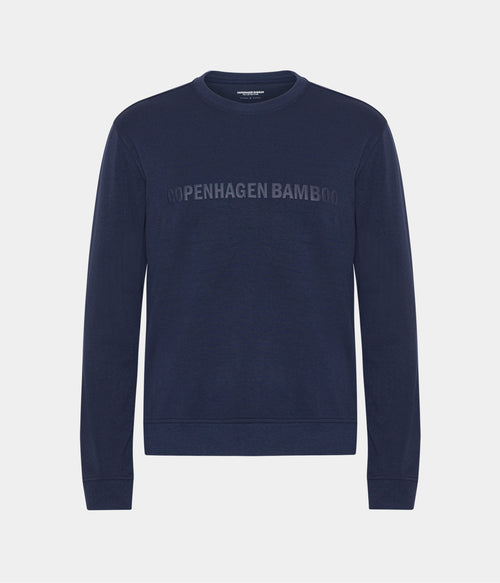
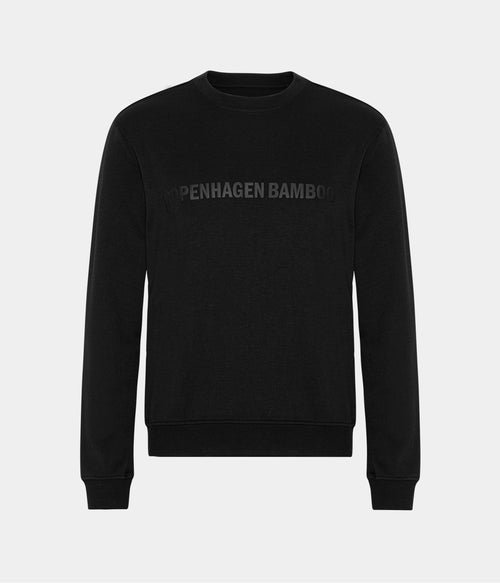
Wool holds heat better, especially in frost, but bamboo viscose can be worn directly against the skin without bothering you. On a long day indoors or a mild autumn day, comfort often matters more than maximum warmth. A sweatshirt in bamboo viscose is easy to wear all day. See bamboo sweatshirts for men.
The skin notices the difference at once
Wool fibres have scales that some people feel as an itch, while bamboo viscose is smooth all the way. Some do not notice it at all, while others cannot wear wool against the skin. If you belong to the second group, bamboo viscose makes a good base layer. See bamboo undershirts for men.
When it gets wet
Wool has the advantage of still insulating when damp, for example in rain or after a long walk. Bamboo viscose behaves differently. It absorbs the moisture and feels cool, which is pleasant on a warm day but not the same as staying warm in the cold. It is worth keeping in mind when you choose your layers.
Washing and everyday life
Wool should be aired and washed rarely, while bamboo viscose can go in the machine after every wear. That makes a big difference in a busy week. A garment you can simply wash gets worn more often than one that needs airing and special care. This applies especially to layers close to the body. See bamboo tank tops for men.
Combine the two
A layer of bamboo viscose underneath and wool on top gives both comfort and warmth. The inner layer lies softly against the skin and can be washed after each wear, while the wool on top keeps you warm and only needs airing. It is the combination many people end up with in winter, because it brings together the best of both.
How to care for both
Follow the care label on each garment. Bamboo viscose does best with a gentle wash, a mild detergent and drying on a hanger or flat. Wool often only needs airing between wears and an occasional wash on a wool cycle. Keep the two apart in the wash, so each material gets the treatment it needs.
What to choose
If you are out in frost or rain for many hours, wool is hard to beat as a warming layer. If you wear the clothes against the skin all day, or want to wash them often, bamboo viscose is the easier choice. And if you want both, combine them: bamboo viscose underneath, wool on top.
Frequently asked questions
Is wool warmer than bamboo viscose
Yes, especially when wet. Wool keeps insulating, while bamboo viscose absorbs the moisture and feels cool against the skin instead.
Does bamboo viscose itch
No. The fibres have no scales, so the fabric stays smooth against the skin all day, even for people who cannot wear wool directly on the body.
Can you combine the two
Yes. A layer of bamboo viscose underneath and wool on top gives both comfort and warmth, and it is the combination most people end up with in winter.