Clothes and heat rash
Sep 12, 2026
Short answer: Heat rash forms where moisture and warmth sit still against the skin. A fabric that moves moisture away and a change of clothes during the day are the two steps that help most in everyday life.
How heat rash starts
Sweat itself is not the problem. It becomes one when the moisture cannot escape and stays against the skin for hours. The skin softens, pores can become irritated, and small red spots or a burning feeling appear. Clothing plays a part because it decides whether the moisture is allowed to evaporate or is held in place.
Moisture that stays put
Under a dense fabric, sweat cannot evaporate, and the skin becomes soft and irritated. This happens mostly on warm days, but also indoors if you sit in the same position for a long time. A fabric that absorbs moisture and moves it on gives the skin better conditions. The inner layer matters most, see bamboo underwear for women.
The exposed areas
The armpits, the groin and the skin under the breasts are the three places where heat rash appears most often. Skin meets skin here, and air has a hard time getting in. Clothing also sits closest in these spots, often with a seam, an edge or a waistband. Look at the pieces that sit right there first.
The fabric against your skin
The fabric that touches the skin is what makes the difference. Dense synthetic fabrics neither absorb nor release moisture very well, so sweat stays where it is. A soft fabric that can take up moisture keeps the skin drier for longer. Choose styles with flat seams and soft edges too, so friction does not add to the moisture.
Air around the body
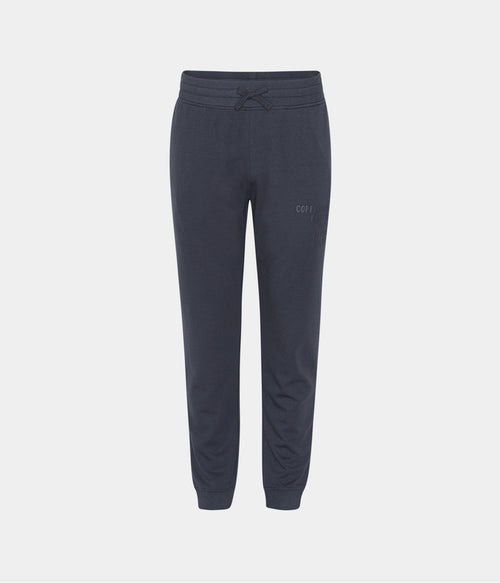
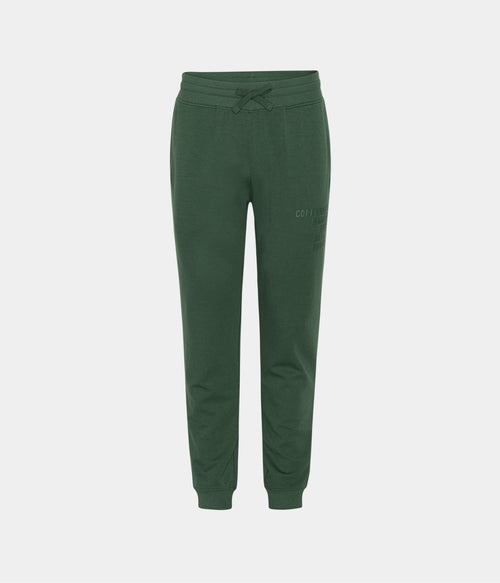
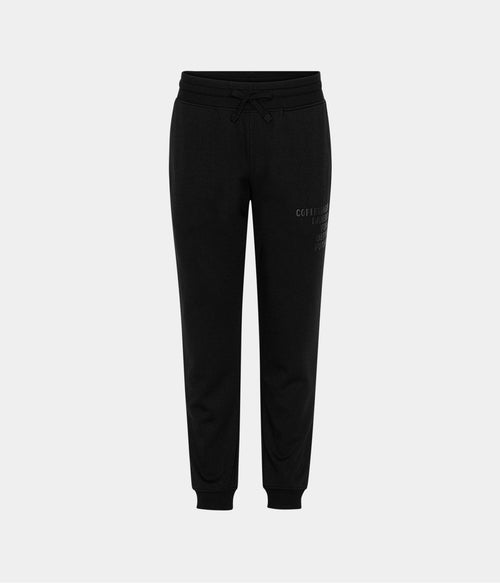
On warm days it helps to give the body some air. Clothing that sits loosely around the thighs and hips lets heat escape instead of gathering in the groin. A pair of light trousers in a soft fabric is a good choice for days when you know it will be warm, see bamboo sweatpants for women.
Change during the day
A clean, dry piece of clothing in the middle of the day interrupts the process. When skin has been damp for many hours, it is more vulnerable, and a change gives it a break. It does not have to be the whole outfit. Often it is enough to change underwear or the inner top. See the range in clothing for women.
Washing and care
Clothing worn against irritated skin should be washed with a mild, unscented detergent. Do not use too much, and skip the fabric softener so no residue stays in the fabric. On warm days, wash the inner layer after every wear. Let clothes dry completely before putting them away, so no moisture is left in the fibres.
When it does not clear up
Clothing can help keep the skin drier, but it cannot treat a rash. If it has not gone after a few days in dry, cool clothing, or if it gets worse, talk to your doctor. The same applies if the skin becomes very red, weeps or hurts, or if the rash keeps coming back without a clear reason.
Frequently asked questions
Can clothing prevent heat rash
It can lower the risk by keeping the skin drier and giving it air, but it is no guarantee against a rash.
What should I do if the rash is already there
Keep the area dry and cool, and avoid tight fabric. If it does not improve after a few days, see a doctor.
Which fabric is worst
Dense synthetic fabrics, because they neither absorb nor release moisture very well, so sweat stays against the skin.