New clothes and skin reactions
Sep 12, 2026
Short answer: Always wash new clothes before wearing them. Fabric can hold residue from dyeing, finishing and transport, and it can irritate the skin, especially where clothing sits close.
Why new clothes can irritate
A new piece of clothing has been through many steps before it reaches you. It has been knitted, dyed, finished, packed and shipped. Along the way, substances can settle in the fibres that are not meant to sit against the skin for hours. A wash before first wear removes most of it.
Residue from production
After dyeing and finishing, substances are left behind in the fibres. Some are used to make the fabric smooth or keep it neat during transport. A single wash at 40 degrees removes most of it, so the fabric is ready to wear. This applies to everything from tops to trousers, see clothing for women.
Dye that bleeds
New dark clothing releases loose dye during the first few washes. It can rub off on the skin, the sheets and other clothes in the same load. Wash dark pieces separately or with similar colours the first few times. This also applies to a black or navy T-shirt, see bamboo T-shirts for men.
Most important close to the skin
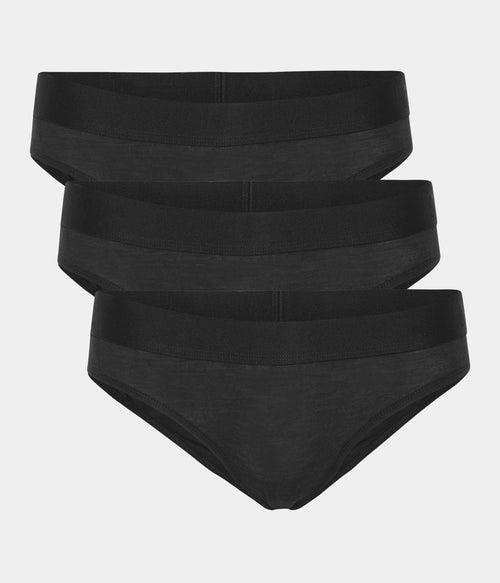
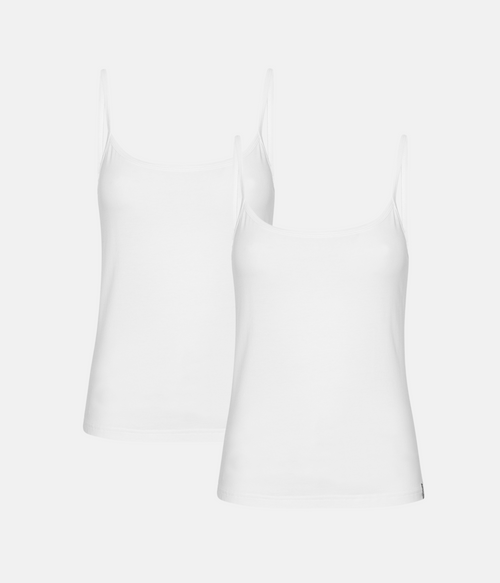
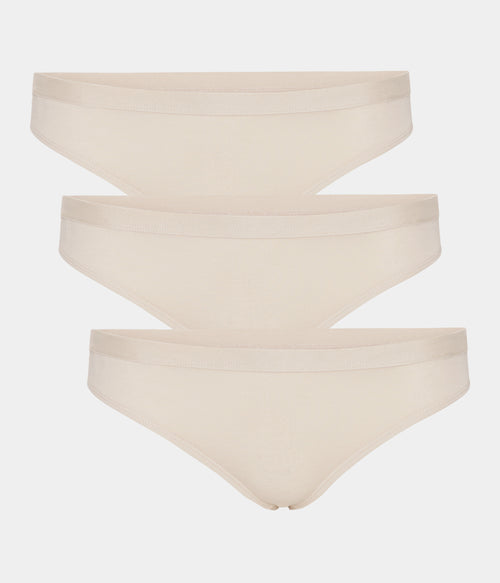
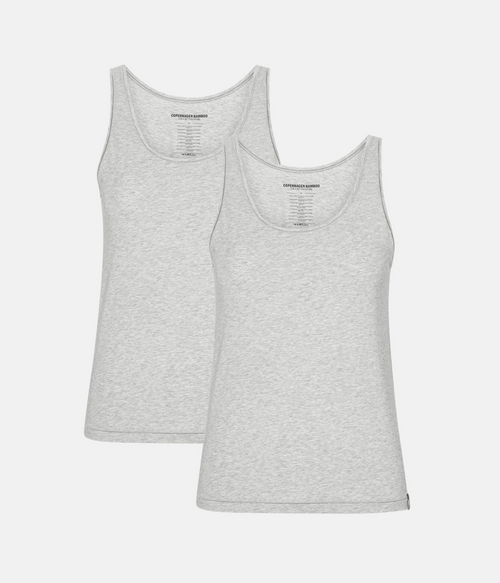
Underwear and socks sit directly against the skin all day, often where the skin is thin and warm. This is where you notice residue fastest. Always wash them first, even if they look clean in the pack. This applies especially to new briefs and tops, see bamboo underwear for women.
How to wash the first time
Wash new clothes at the temperature on the label, usually 30 or 40 degrees. Use a mild, unscented detergent and not too much of it. Skip the fabric softener so you do not add anything new to the fibres. Let the clothes dry completely before you put them on.
When the skin still reacts
If your skin reacts after the first wash, wash the piece again and try once more. Some residue takes more than one wash to disappear. Notice where on the body the reaction appears. If it follows a seam, an edge or a waistband, pressure or friction may be the cause rather than the fabric itself.
The fibre is rarely the cause
It is rare for the skin to react to the fibre itself. More often it is dyes, finishing or detergent residue. This means a piece that irritates at first may well become comfortable after a few washes. Give it another chance before you decide the material does not suit your skin.
When to stop
If your skin keeps reacting after several washes, stop wearing the piece. If the reaction is strong, with swelling, blisters or intense itching, talk to your doctor. A doctor can help you find out what your skin is reacting to, so you know what to avoid in future.
Frequently asked questions
How many times should new clothes be washed
Once is enough for most pieces. Dark clothing may need two to three washes before it stops releasing dye.
Can you react to the fibre itself
It is rare. More often it is dyes, finishing or detergent residue that cause a reaction on the skin.
What should I do if my skin reacts to new clothes
Wash the piece again and try once more. If your skin keeps reacting, stop wearing it and talk to your doctor.