Clothes for changeable weather
Sep 12, 2026
Short answer: Dress in layers you can take off and put back on. A thin inner layer that moves moisture makes the difference between comfortable and clammy when the temperature changes during the day.
Layers rather than one thick piece
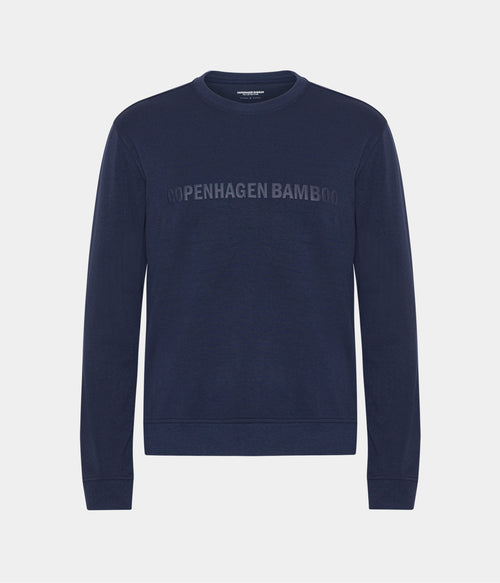
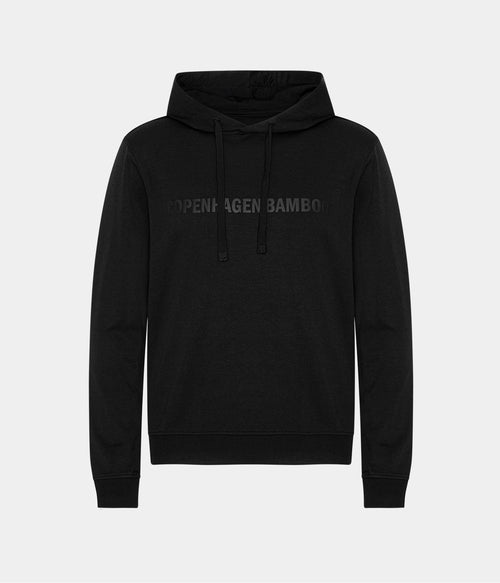
A thick piece of clothing can only be on or off. When it gets warm you sweat, and when it cools again you have nothing to add. Two thin layers can be adjusted as you go, so you always wear the right amount. See men's bamboo sweatshirt and bamboo sweat for men and women.
The inner layer handles both
When you get warm, the inner layer moves moisture away from the skin. When you get cold, it keeps the skin dry so you do not freeze in damp fabric. It is the same layer in both cases, which is why it is the most important choice. A thin, soft layer close to the body works best, see men's bamboo undershirts.
Keep the middle layer light
The middle layer is the one you take on and off most often. It should be easy to pull over your head and not so thick that it becomes a burden. A sweatshirt in a soft, thin fabric is a good choice. It adds warmth when the wind picks up and comes off when the sun comes out.
Room in the bag for the layer you take off
A light middle layer can be rolled up and takes little space in a bag. Choose a thin piece rather than a thick one, so you actually bother to bring it. Roll it tightly instead of folding it, and it creases less and lies flat at the bottom. Then it is ready when the weather turns again.
The outer layer only when needed
The third layer is for wind and rain. In dry weather two layers are often enough, even when the temperature changes. A thin, windproof outer layer that packs small is enough for most days. Avoid a heavy winter coat if it is only chilly in the morning, as it will be too warm later.
Moving and standing still
On a bike or on foot you warm up quickly, and when you stop at a crossing or on a platform you cool down. Take a layer off before you start to sweat, not after. Put it back on just before you stop. Small adjustments in good time keep the skin dry and your temperature even.
Choose the fit for layering
Layers that sit on top of each other need to work together. The inner layer should fit close so it can move moisture. The middle layer needs enough room that it does not pull across the shoulders or at the sleeves. Try your layers on together before you head out, so you know they work.
Washing and care
The inner layer is worn against the skin and needs washing most often. Wash according to the care label and let it air dry. The middle layer can often be worn several times between washes if you air it. With two inner layers you can swap while one dries, so a dry layer is always ready.
Frequently asked questions
How many layers for changing weather
Two to three. The third layer is only needed in wind and rain, and in dry weather most people do fine with a thin inner layer and a light middle layer.
What do I do if I get soaked
Change the inner layer as quickly as possible. It is the one that cools you most, because it sits right against the skin and holds the moisture there.
Can you manage with one layer
In stable weather, yes. When the temperature swings you end up either too warm or too cold, because a single layer cannot be adjusted during the day.