Clothes for dancing
Sep 12, 2026
Short answer: Dancing is constant movement in a warm room. You warm up within the first ten minutes, and your clothes need to follow your body in every direction without pulling or holding on to moisture.
Movement in every direction
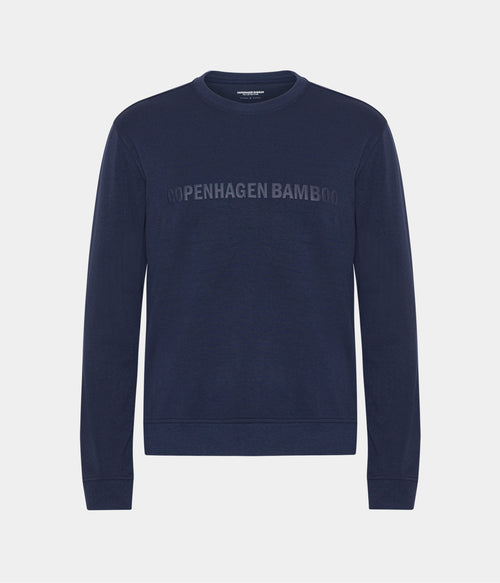
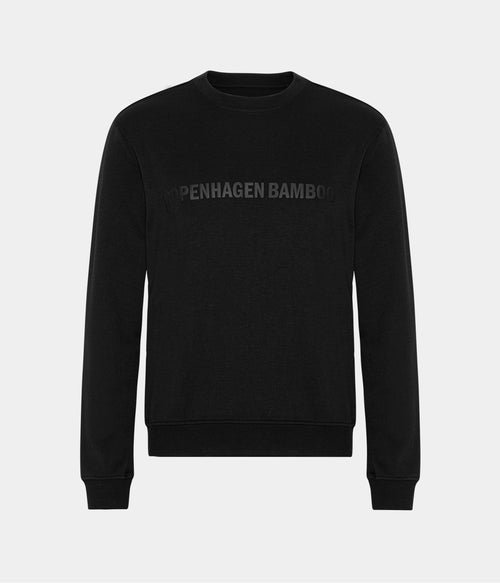
Dancing stretches the fabric over shoulders, back, hips and knees at the same time. A fabric with some give moves when you turn, bend and reach, then settles back into shape. Bamboo sweat for men and women is soft and follows the body, so you are not thinking about your clothes mid step.
A fit that neither pulls nor flaps
Clothes that are too tight limit movement, and clothes that are too loose get in the way when you spin or dance close to a partner. Choose a fit that sits close without squeezing. Raise your arms and bend your knees in the fitting room. If it rides up or pulls across the back, it is too small.
Your feet work the whole time
Dance shoes often have thin soles, and the sock is the only padding between foot and floor. A pair with a little cushioning underfoot makes a real difference over a whole evening. Socks for men in bamboo are soft and lie smoothly in the shoe. Make sure the heel sits right so the sock does not twist.
The heat arrives and stays
A full dance studio gets warm and stays that way, because everyone moves constantly in a closed room. Body heat quickly exceeds what the ventilation can remove. A thin inner layer such as bamboo undershirts for men sits close to the skin and moves moisture away, so you are not stuck in a damp cotton top.
Layers you can remove
The start of a class is often cool, especially in winter, while the rest is warm. Arrive with a layer on top that you take off after the warm up. A sweatshirt or loose jumper is easy to hang on a chair, and you can put it back on after class so you stay warm on the way home.
Bring a change
After an hour of dancing, your inner layer is often damp. Pack a dry top and a dry pair of socks, and change before you head home. It feels better, and you avoid walking around in wet clothes in the cold. A small bag for the used clothes keeps the rest of your kit dry.
Washing after dance
Dancewear should be washed after every session. Turn it inside out, wash at the temperature on the label and skip fabric softener, which can leave a film on the fabric. Let it air dry so it keeps its shape. Socks last longer when washed in a laundry bag.
Different dance styles
Salsa, ballroom, jazz and street dance place slightly different demands on clothing. Some styles need special shoes or set outfits for competitions, but for training it is mostly about moving freely and staying dry. Feel free to ask your instructor whether the class has any rules on clothing and footwear.
Frequently asked questions
What should you wear for dancing?
Something that gives in every direction, and an inner layer that moves moisture through the whole class. A dry change for afterwards helps too.
Why do dance studios get so warm?
Because everyone moves constantly in a closed room. Body heat quickly exceeds what the ventilation can remove, and the room stays warm throughout.
What about your feet?
Dance shoes have thin soles, so the sock is all the padding you get. A pair with a little cushioning underfoot makes a big difference.