Clothes for outdoor work in winter
Sep 12, 2026
Short answer: Outdoor work in winter swings between hard work and breaks in the cold. Your clothing has to handle both, and that takes three layers: a thin inner layer, an insulating mid layer and a windproof outer layer.
Two kinds of day at once
A winter day outdoors is made up of spells when you dig, carry or lift and warm up, and spells when you stand still, wait or take a break. Your clothes need to work in both. That is why dressing warmly is not enough. You need to be able to turn the heat up and down during the day.
The inner layer must keep you dry
If you sweat while working, the moisture needs to leave your skin before your break starts. Otherwise the damp layer chills you as soon as you stand still. Choose a thin, close fitting undershirt that sits under the other layers without folding. This layer matters most for whether you feel cold. See bamboo undershirts for men.
A layer you can adjust
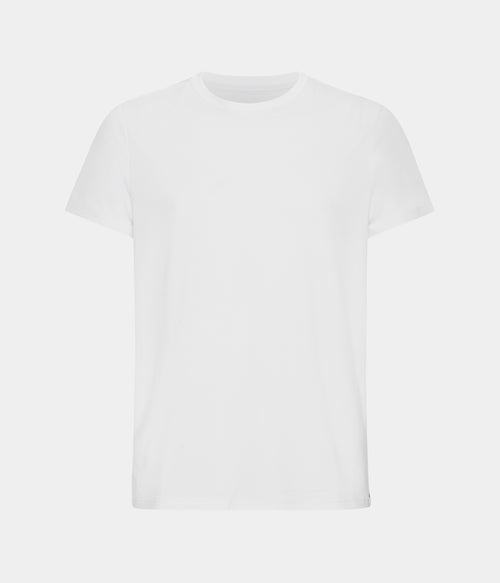
Take the mid layer off during hard work and put it back on during breaks. It sounds simple, but many people leave it on all day because changing is a hassle. Choose something easy to take off and put on, and keep it within reach. A T-shirt under a jumper gives you more options. See bamboo T-shirts for men.
The outer layer stops the wind
The windproof outer layer keeps warm air inside the mid layer. On an open site, wind can make moderate cold feel much harsher, and a thin layer that stops it often does more than extra insulation. Make sure you can open it up to let heat out when you work hard.
Your feet stand still in the cold
Your feet are the first thing to get cold when you stand still on frozen ground. The cold comes from below, and moisture from sweat makes it worse. Choose socks that keep your feet dry and boots with enough room. A spare pair of socks in your pocket makes a real difference at midday. See socks for men.
Put on a dry layer before your break
Your body stops producing heat as soon as you stop. So put on a dry layer before you take a break, not afterwards. That way your body does not have time to cool down, and you keep the warmth you have built up. If you can, change your inner layer if it has got wet.
Hands, head and neck
A lot of heat escapes from your head, neck and hands. A hat, something around your neck and dry gloves make a big difference, especially during breaks. Bring a spare pair of gloves so you can change when the first pair gets damp. Small things often decide how a long winter day feels.
Dry your clothes for the next day
Clothes that have been out in the cold and sweat all day need to dry completely before you wear them again. Hang them up rather than leaving them in a bag or the car. Wash the inner layer at a moderate temperature and let it air dry. With a few sets, you always start the day dry.
Frequently asked questions
How do you dress for outdoor winter work
In three layers. A thin inner layer that moves moisture, an insulating mid layer and a windproof outer layer, which you adjust to the work.
Why do you feel coldest during breaks
Because your body stops producing heat while the damp inner layer keeps cooling your skin. That is why a dry inner layer matters so much.
What should you do before a break
Put on a dry layer before you stop, not afterwards. That way your body does not cool down, and you keep the warmth you have built up.