Clothes for the hike
Sep 12, 2026
Short answer: On a hike you switch between sweating uphill and getting cold during breaks. Your layers need to handle both, and your socks decide how far you get before your feet start to complain.
Socks decide the hike
Blisters come from moisture and friction, not distance. When a sock is wet, it slides against the skin with every step, creating the heat that turns into a blister. A pair that moves moisture helps, and a sock that sits smoothly without folds reduces rubbing, see bamboo socks for men.
The inner layer under the backpack
The backpack presses fabric against your back, and that is where it gets warmest. Sweat collects under the straps and hip belt, and a thick or dense fabric quickly turns wet and heavy. A thin layer is felt less and dries more easily when you take the pack off, see bamboo T-shirts for men.
A layer for the break
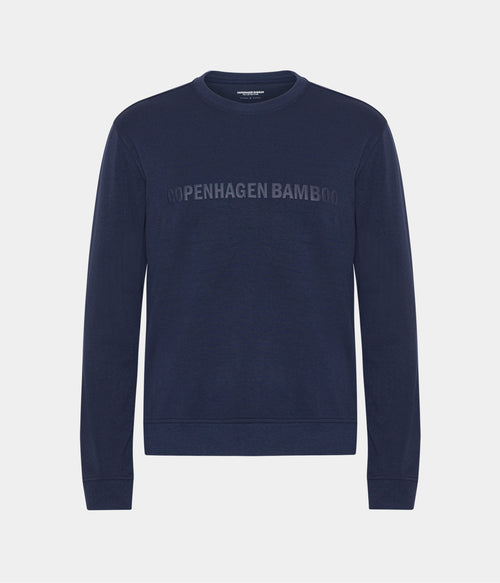
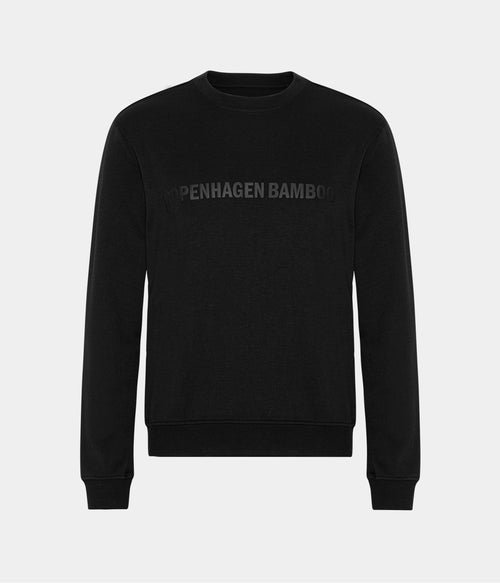
Ten minutes standing still in the wind cools you fast, especially when you are warm and damp after a climb. Keep a layer at the top of your pack and put it on as soon as you stop, not when you start to shiver. Take it off before you move on, see bamboo sweat for men and women.
Three layers on the trail
An inner layer, a warm mid layer and a jacket that blocks wind and rain cover most day hikes. The idea is to adjust to how hard you are working and what the weather does. Going uphill, you wear fewer layers. Standing still at the top, you add more.
Spare socks halfway
A dry pair halfway is the cheapest improvement of the whole hike. Change at lunch, and hang the wet pair on the outside of the pack so it dries a little as you walk. It takes almost no room and is felt from the first step. Check your feet for red spots at the same time.
A fit that does not chafe
Clothes that are too tight chafe at the shoulders and hips under the straps. Clothes that are too loose fold and create sore spots. Choose an inner layer that sits close without squeezing, and avoid thick seams where the pack presses. Try your clothes on a short hike before a long one.
After the hike
When you arrive, the first thing to do is change into dry clothes. The wet inner layer cools your body quickly once you stop moving. A clean set in the car or the cabin makes the switch from hiking to resting much more comfortable, and your feet get some air.
Washing hiking clothes
Wash your hiking clothes soon after the trip, so sweat and dirt do not settle in. Use a mild detergent and skip fabric softener, which can make the fabric worse at moving moisture. Let the clothes air dry rather than using a tumble dryer. They keep their shape and are ready for the next hike.
Frequently asked questions
What matters most on a hike
Your socks. They decide whether your feet last the whole day. A pair that moves moisture and sits smoothly, plus a dry spare pair, does more than anything else.
Why do you get cold during breaks
Because the wet inner layer cools your body when you stand still. Put on a warm layer as soon as you stop, and take it off before you move on.
Should you bring spare socks
Yes, a dry pair halfway is the cheapest improvement of the whole hike. It takes almost no room in the pack and is felt from the very first step afterwards.