Clothes for training outdoors in the cold
Sep 12, 2026
Short answer: Three layers, and the inner one matters most. If it gets damp, it cools you the moment you take a break or head home.
Three layers, each with a job
For outdoor training in the cold, layers work better than one thick garment. The inner layer moves moisture away from the skin, the middle layer keeps the warmth in, and the outer layer stops the wind. With a clear job for each, you can adjust along the way and avoid both getting cold and sweating too much.
Moisture has to leave the inner layer
During activity the body produces a lot of moisture, even in the cold. If it stays in the inner layer, it feels fine while you keep moving but cools you as soon as you stop. A thin, close fitting layer in bamboo viscose moves the moisture onwards. See bamboo undershirts for men.
Skip cotton next to the skin
Cotton is comfortable in everyday life, but for cold weather training it is a poor inner layer. The fibre holds on to moisture and dries slowly, so the fabric cools you sharply when the intensity drops. You notice it most on the way home after a run, when you walk or stand still.
Adjust the middle layer to your pace
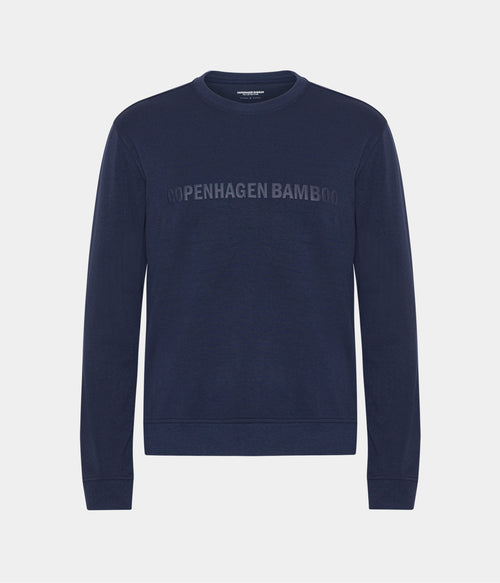
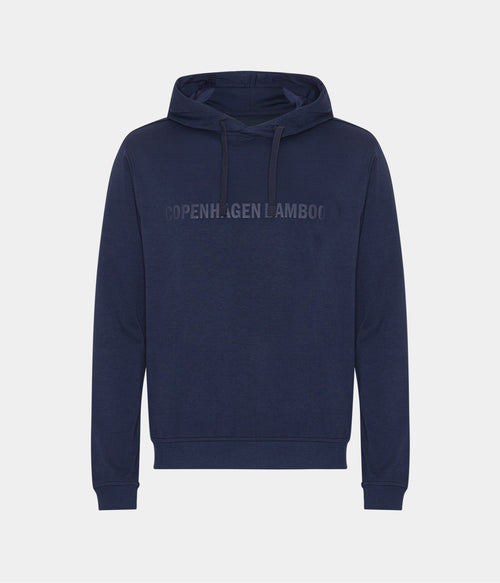
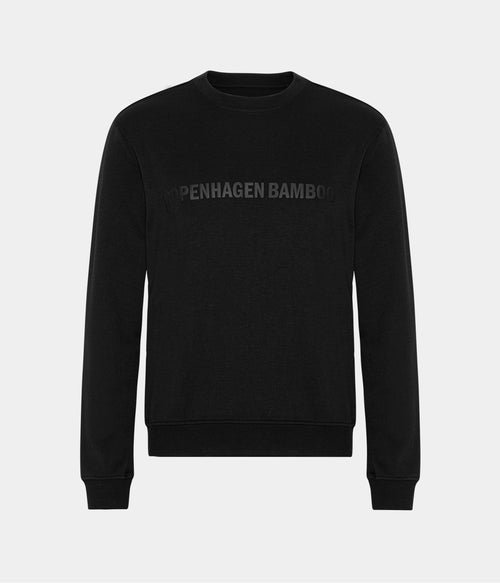
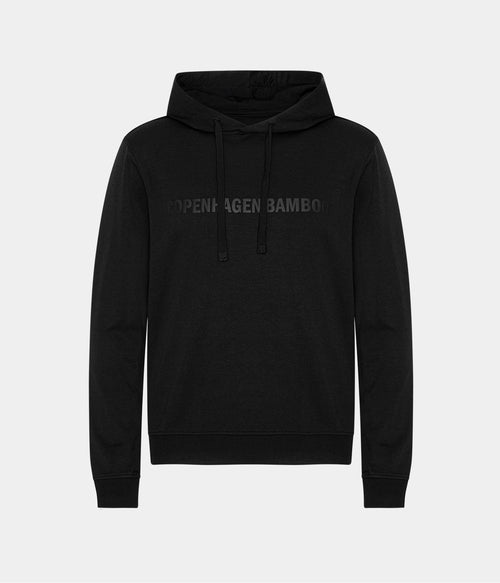
If you walk slowly, you need more than when you run. The middle layer is the one you adjust up or down depending on pace and temperature. Choose a layer you can take off along the way and tie around your waist or put in a small backpack. See bamboo sweat for men and women.
Outer layer against the wind
Wind pulls warmth out of the inner layers, even on days that are not especially cold. A windproof outer layer is therefore needed, whatever you wear underneath. For calmer outings and the walk home, a jogging set can work as a middle layer under the shell. See bamboo joggers for men.
Start a little cold
It is tempting to put on a lot when you stand at the door feeling cold. After ten minutes of activity the body is warm, and then you sweat in too many layers. Start a little cold instead. If you feel slightly cool in the first minutes, you have usually got it right.
Change straight after
The inner layer is the one that cools you most when you stand still. Change into dry clothes as soon as you finish, even if you will not shower until later. If you have a longer way home, bring a dry inner layer in a small bag. It makes a clear difference.
Washing and care
Training clothes should be washed after every use. Wash bamboo viscose inside out at a low temperature and without fabric softener, which can coat the fibres and make them worse at moving moisture. Let it air dry. That way it keeps its softness and its qualities through many winters.
Frequently asked questions
Why do you feel cold after a run
Because the inner layer is damp, and evaporation continues after you have stopped moving.
Should you change straight after
Yes. The inner layer cools you most when you stand still, so change into dry clothes right away.
Is cotton fine for cold weather training
No. It holds on to moisture and cools you sharply when the intensity drops, so choose a thin layer that moves moisture instead.