Clothes in the heat when the skin is irritated
Sep 12, 2026
Short answer: In the heat, skin discomfort appears where moisture and friction meet. The answer is a fabric that moves moisture away from the skin and a layer that removes skin to skin contact, along with a clean change once the fabric is saturated.
Moisture plus friction
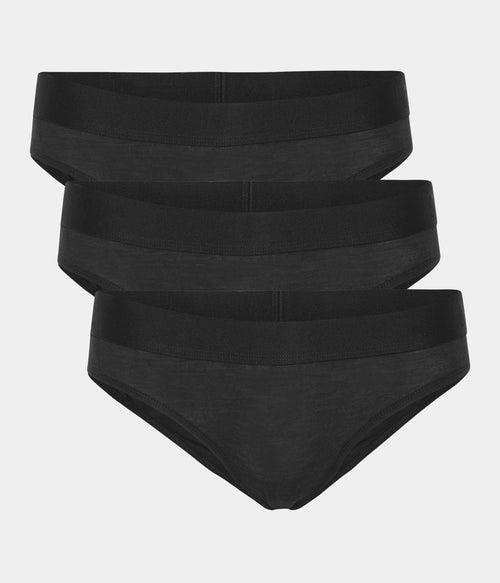
Neither moisture nor friction alone is usually enough to cause discomfort. It is the combination. Damp skin becomes softer and more vulnerable, and when it rubs at the same time, it quickly turns red and sore. A thin fabric that moves moisture away helps, see the light styles in bamboo underwear for women.
The exposed areas
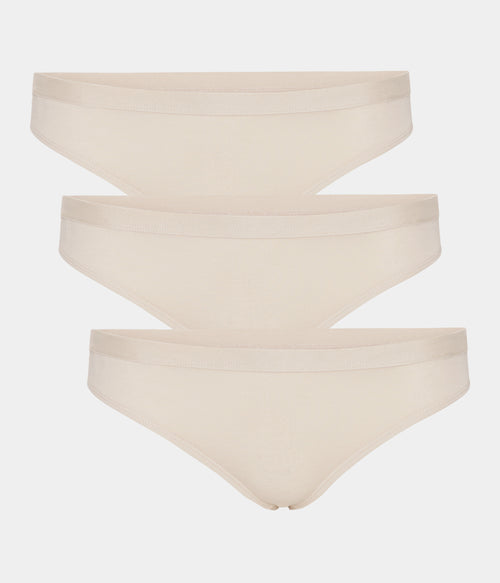
The groin, the armpits and the area under the bust are the three places where skin touches skin. Heat and sweat gather here, and the skin rubs against itself with every movement. A layer of fabric in between removes the direct contact. That is why bamboo panties with good coverage can be a good choice in the heat.
Choose a breathable fabric
Dense synthetic fabrics keep moisture against the skin, because it has nowhere to go. A breathable fabric lets air through and moves moisture outwards where it can evaporate. On hot days this makes a big difference, especially in the layers closest to the skin. Choose thin, light pieces over thick and dense ones.
Loose or close fitting
Loose clothing lets air reach the skin, but it can also rub more because it moves back and forth. Close fitting clothing moves with the body and rubs less, but it must not be so tight that it presses. Many find a good balance with close fitting underwear and a loose layer on top.
Change when the fabric is saturated
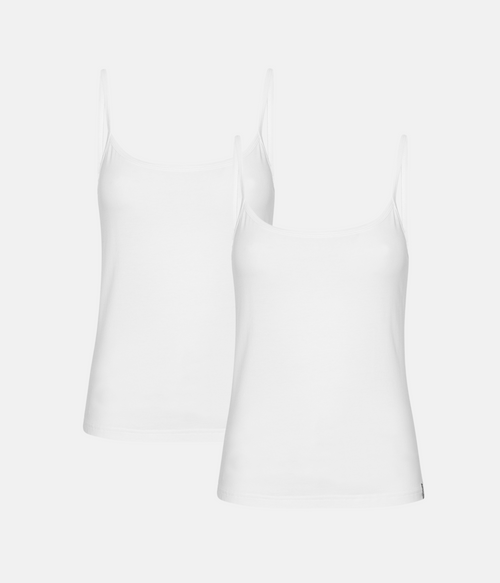
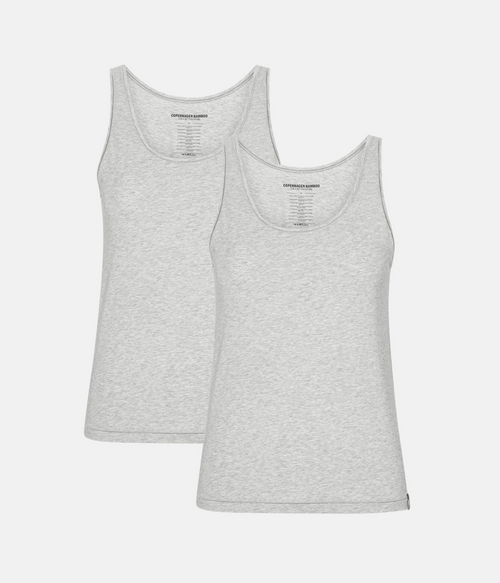
A damp garment stops helping. When the fabric is saturated with sweat, it cannot absorb more, and the moisture rests against the skin again. A clean change in the middle of the day resets everything. Bring a spare set on hot days, for example from our women's clothing.
Washing after hot days
Clothes worn in the heat contain sweat and skin residue that can irritate if left in. Wash them after each wear with a neutral detergent without perfume. Skip fabric softener, as it leaves a film on the fibres that makes them worse at moving moisture. Let clothes dry completely before putting them away.
Small habits that help
Dry your skin thoroughly after a shower, especially in the exposed areas, and wait a few minutes before getting dressed. Avoid sitting in wet clothes for long after exercise or swimming. Drink water and seek shade when you can. These are simple things, but they reduce both moisture and friction during the day.
When the skin does not settle
Irritated skin in the heat usually settles once it can be dry and cool again. If the skin is broken, weeping, or keeps itching and looking red even after the heat has passed, do not wait too long. Talk to your doctor if the discomfort does not go away.
Frequently asked questions
Does wearing less clothing help
Not always. Skin against skin with no fabric in between is often worse than a thin layer, because it is precisely contact and moisture that cause the discomfort.
Which fabric is worst in the heat
Dense synthetic fabrics, because moisture cannot get away from the skin. A breathable fabric that moves moisture outwards is usually a better choice on hot days.
When should I see a doctor
If the skin is broken, weeping, or the discomfort does not go away once the heat has passed. Then it is better to have it assessed than to wait.