Clothes when you wear a tool belt
Sep 12, 2026
Short answer: A tool belt puts weight and pressure on your hips all day. That is where your clothes wear, and where you feel every edge. Flat seams, a waistband that does not sit right under the belt and a belt you shift a little make a big difference.
Pressure gathers at the hips
The belt presses fabric against your skin on a narrow area for many hours. The weight of the tools pulls downward, and each time you bend or stand up, the pressure moves slightly. That is why a small seam can feel big by the end of the day. Choose an inner layer with flat seams. See the bamboo boxers.
Wear in one spot
Under the belt, fabric wears faster than anywhere else on the garment. Weight and movement create constant friction in the same place, day after day. A soft, dense fabric handles this better than a loose one. Friction is also why your feet get sore on long days on the move. See bamboo socks for men.
No seams under the belt
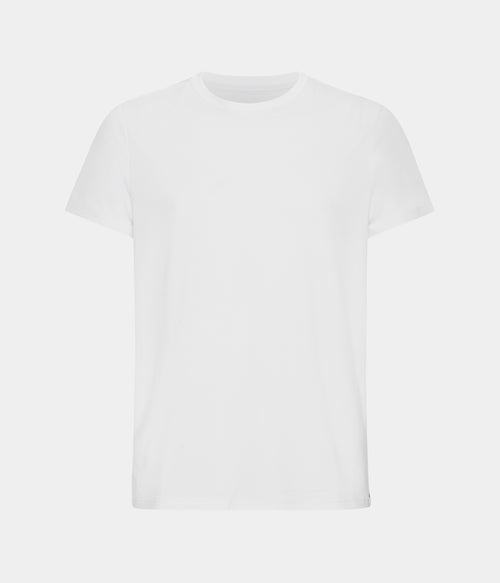
Choose a style where the waistband sits above or below the belt, not right under it. When a waistband and a belt overlap, the pressure doubles. The same goes for a T-shirt that bunches up under the belt. Tuck it in smoothly so no folds form. See bamboo T-shirts for men.
Heat under the belt
Where the belt sits, air cannot circulate. The fabric is pressed against the skin, and it gets warmer and damper there than on the rest of your body. A thin layer that dries quickly helps keep the area more comfortable. If you can, loosen the belt for a moment during breaks so your skin gets some air.
Shift the belt during the day
Pressure is worst when it hits the same spot all day. Move the belt slightly up or down a few times a day to spread the load. It takes seconds and can make the afternoon more comfortable. Also check that the heaviest tool does not hang in the same place every day.
Keep the T-shirt tucked in
When you bend and stretch, the belt often pulls your T-shirt up. The fabric then gathers in folds that press even more. A T-shirt with a bit of length and a fabric with stretch stays in place better. It also keeps your back covered when you work at knee height or overhead.
A fit for movement
Tool belt work means a lot of bending, kneeling and lifting. Your clothes need room for that without squeezing the hips. Underwear that fits close without digging in and trousers with some room in the seat make it easier to move freely. A waistband that lies flat is felt less under the belt.
Washing and care
Fabric that faces friction every day lasts longest when washed gently. Wash at a moderate temperature, inside out, and let it air dry. Avoid washing it with items that have zips or hook and loop fasteners. That way the surface wears less and the seams stay flat.
Frequently asked questions
What should you think about with a tool belt
That the belt presses on a narrow area for many hours. Seams and waistbands right under the belt become uncomfortable, so place them above or below.
Why do clothes wear fastest under the belt
Because weight and movement create constant friction in the same spot, day after day. It is the most exposed point on the whole garment.
Can you do anything about the pressure
Yes. Choose a layer with flat seams, and shift the belt a little during the day so the pressure does not hit the same point all the time.