Drying in frost
Sep 20, 2026
Short answer: Clothes dry in frost too, because the ice evaporates directly without melting. It takes longer, but the result is fresh, crease free laundry. With a little patience the washing line can be used all winter whenever the weather is dry.
Ice goes straight to vapour
The water in the fabric first freezes to ice, and then the ice slowly evaporates in the dry winter air without turning back into water. The process is slower than in summer, but it works. Cold air is dry, and the wind helps carry the moisture away. It works on everything, including a men's bamboo sweatshirt.
Clothes turn stiff along the way
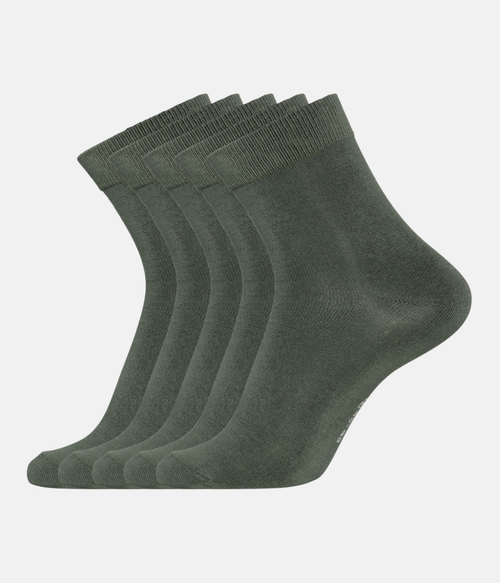
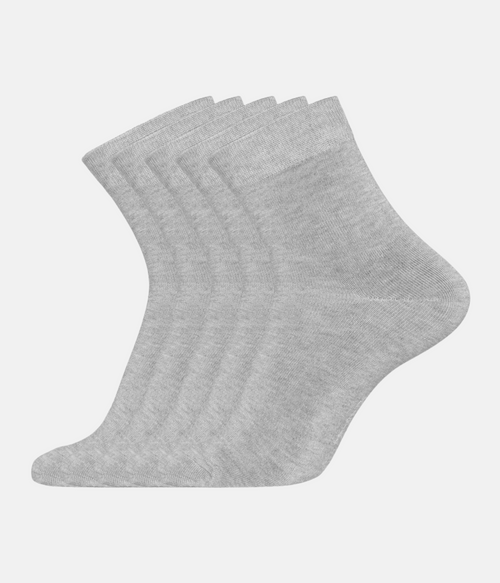
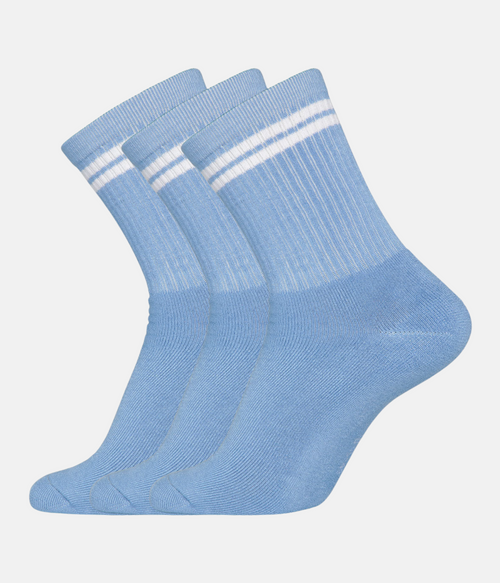
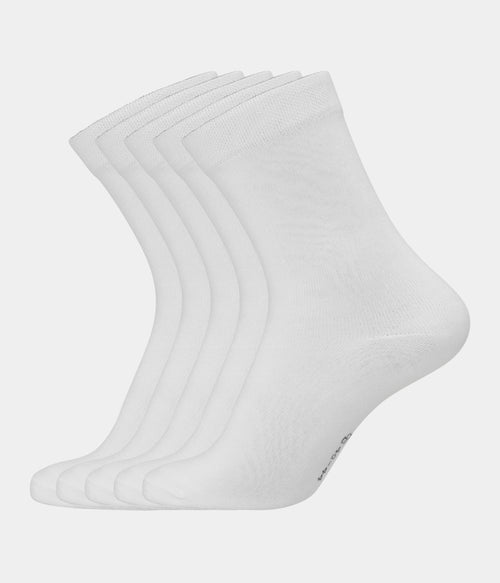
While the fabric is frozen it is hard and should not be bent or folded, because the fibres are locked in the ice. So do not take it down and fold it while it is stiff. Wait until it has thawed before you handle bamboo socks for men and other small items on the line.
The result is crease free
Because the fabric hangs stiff and straight while drying, no creases form. Gravity pulls the clothing down and the ice holds it in that shape. Once dry it feels smooth and fresh. The same goes for a bamboo tank top for men, which often looks freshly pressed after a day on the line.
Dry air is the key
Frost alone is not enough. Humidity decides how fast it goes. A clear, cold day with a little wind gives the best result. In fog or damp frosty air very little happens, and clothes can hang for a long time without drying. Check the weather before you hang out the laundry.
Spin thoroughly
The less water in the clothes, the less ice has to evaporate. A thorough spin is therefore extra important in winter. Shake the laundry well before hanging so it hangs smooth and does not freeze into folds. Hang it out soon after washing while it still holds a little warmth.
Hang with plenty of space
Give the laundry plenty of room on the line so the wind can reach it from every side. Clothes hung close together freeze into each other and dry more slowly. Use extra pegs, since frozen laundry is heavier and can be pulled down by the wind. Hang thick items in the middle of the line, where it is steadiest.
Finish indoors
Often the clothes are almost dry when you bring them in, but seams and waistbands can still be slightly damp. Leave them on a rack indoors for an hour or two so the last traces evaporate. This matters most for thick items where moisture sits deep. Feel the seams before putting anything away.
The fresh smell
Many people value the particular freshness clothes get after a day in frosty weather. The cold air and wind give a clean feel that is hard to achieve indoors. For soft everyday clothing it is a gentle method with no heat and no drum wearing on the fibres.
Frequently asked questions
How long does it take
One to two days depending on humidity and wind. A clear, breezy day is fastest.
Can frost damage the fabric
No, as long as it is not bent while frozen. Wait until it has thawed before folding it.
Does the laundry get completely dry
Yes, if the air is dry. In damp frosty air it goes very slowly, and then it is better to finish drying indoors.