Drying on a hanger, what it does to the shoulders
Sep 20, 2026
Short answer: A wet jumper on a narrow hanger gets two pointed bumps at the shoulders. The weight of the water pulls the fabric down over the ends of the hanger, and the shape dries in place, so the bumps stay even once the jumper is dry.
The weight gathers in two places
The whole wet weight of the jumper rests on two points only a few centimetres wide. A wet knit weighs far more than a dry one, and all that weight pulls down exactly where the hanger ends. That leaves lasting bumps in bamboo sweatshirts for men, especially thicker styles that hold a lot of water.
Why the shape sets
Damp fabric can be shaped, and that is the problem here. As the jumper dries, the fibres are stretched over the hanger ends, and once the water is gone they stay in that shape. It is the same principle as smoothing clothes without an iron, only with the opposite effect. The bump is not damage, just a shape that has set.
The hanger shape decides the damage
A wide hanger with rounded ends spreads the weight over a larger area and leaves no obvious marks. A narrow hanger concentrates it, and a thin wire hanger is the worst of all. If you want to hang a long sleeve bamboo t-shirt to dry, choose a wide hanger that follows the shoulder line.
The sleeves pull too
On a long-sleeved top the sleeves hang freely and pull on the shoulder seam with their own weight. That makes the bump worse and can lengthen the sleeves slightly. Lay the sleeves over the hanger or the bars of the drying rack so their weight is not on the shoulder. It takes a moment longer but keeps the shape.
Hang it from the middle instead
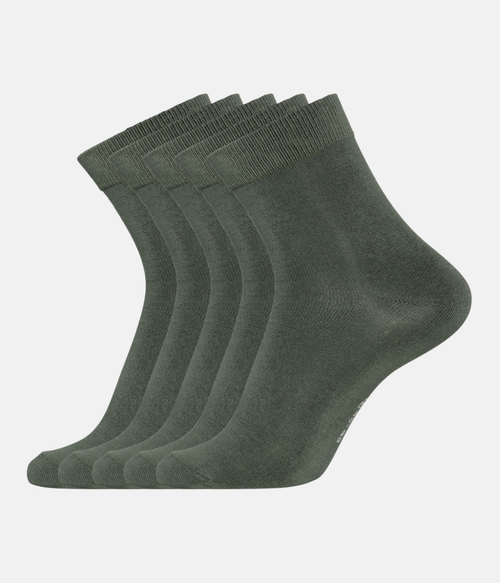
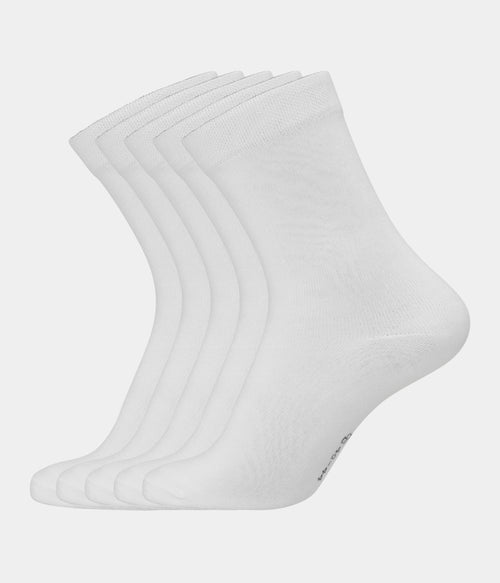
Fold the jumper over a line or drying rack so it hangs across the middle of the body. The weight is then spread over the full width, and there are no points where the fabric stretches. This also works for bamboo socks for men and women, which are better over a bar than pegged by the toe.
Flat drying is the gentlest
If you have space, lay the jumper flat on a rack or a towel. Then no part carries its own weight and the shape is fully kept. Ease it into shape with your hands before laying it down, and turn it once along the way so the underside gets air and dries evenly.
The hanger is fine at the end
Hangers are not banned, they just need to be used at the right moment. When the jumper is almost dry the weight is small, and it can hang on a wide hanger for the last stretch. That gives a nice drape without bumps. The same goes for storage: wide hangers or folded on a shelf.
Avoid the bumps from the start
The easiest fix is to decide before the jumper leaves the machine. Spin it well so less water stays in the fabric, and lay it flat or over the middle for the first hours. That way you will not need to correct bumps afterwards, and it keeps its shape wash after wash.
Frequently asked questions
Can shoulder bumps be fixed
Yes, dampen the area lightly, press it flat with your hands and let the jumper dry lying down with no weight on the shoulders. The bump usually disappears completely.
When is it fine to use a hanger
When the clothes are almost dry and the weight is small. A wide hanger can then be used for the last stretch without marking the fabric.
Are plastic hangers better than wire ones
Yes, wire hangers are narrow and leave the clearest marks. A wide hanger with rounded ends is the best choice whatever it is made of.