Fabric softener, what it does and does not do
Sep 20, 2026
Short answer: Fabric softener coats the fibres with a thin layer of fat so they slide more easily against each other. The fabric feels softer to touch, but it absorbs less moisture. On bamboo viscose it does very little.
How fabric softener works
Softener goes into the final rinse so it is not washed out again. There it settles as a thin layer on the fibres. The layer lets fibres slide more easily against each other, and the fabric feels smoother when you touch it. It is a surface treatment that stays in the clothes until the next wash.
A coating, not a softening
The fibres do not become softer, they just get a smooth outer layer. This also applies when you use it on long sleeve styles. The soft feel comes from the coating, not the fibre itself. Once it washes off, the fabric is the same as before, which is why softener has to be added again and again.
Moisture absorption drops
The coating makes fabric absorb less moisture, which feels clammy when worn. This is a particular problem for base layers such as bamboo undershirts for men. A base layer should take moisture away from the skin, and when the fibres are coated, that happens more slowly. On a warm day the garment can feel less comfortable.
Bamboo viscose does not need it
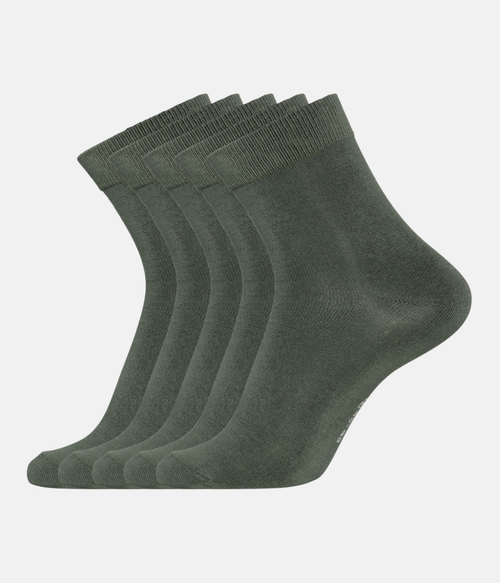
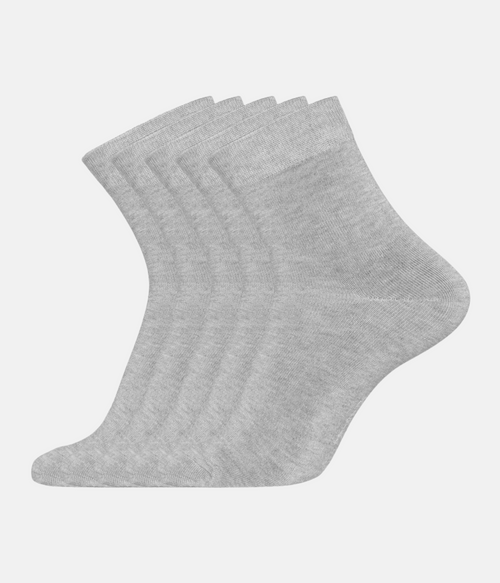
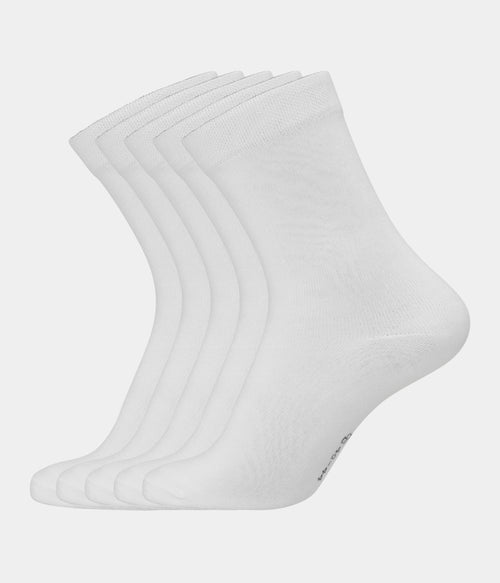
The fibre is smooth in itself, so softener does very little. Skip it, also for socks for men and women. You save money and avoid an extra coating in the fabric. The fabric keeps its natural feel and its ability to absorb moisture, which are exactly the qualities many people choose bamboo for.
What softener does well
Softener reduces static, which makes clothes cling and crackle, especially in dry winter air. It also makes fabric smoother to touch. For some materials, such as very rough fabrics, that can be an advantage. It is not bad in itself, but it suits some fabrics better than others.
Build-up in the machine
Softener does not only settle on clothes. Over time it can build up in the drawer, the hoses and the drum. That can cause deposits and odour in the machine. If you use softener, clean the drawer regularly. If you do not, you skip that part of maintenance and the machine stays cleaner.
An alternative with vinegar
To reduce static without coating the fibres, add half a cup of vinegar to the softener compartment. The vinegar rinses out during the cycle, and the smell disappears as clothes dry. It is a simple option for garments where you want to keep the fabric's ability to absorb moisture.
Air drying helps too
Part of the stiffness people try to avoid with softener comes from drying. Clothes dried quickly in a hot tumble dryer can end up stiffer than clothes left to hang. Shake garments out before hanging them and let them dry in peace. Bamboo fabric often turns soft on its own that way, with no extra products.
Frequently asked questions
What does fabric softener do well
It reduces static and makes fabric smoother to touch, which can be an advantage for some materials.
What does it do badly
It lowers moisture absorption and builds up in the machine over time, leaving a coating on both clothes and machine.
Are there alternatives
Half a cup of vinegar in the softener compartment reduces static without a coating, and the smell fades as clothes dry.