Fibres and allergy, what we know
Sep 12, 2026
Short answer: True allergy to a textile fibre is rare. What most often bothers the skin is dye, finishing treatments or friction from a coarse fabric, and that is often something you can deal with yourself.
The fibre is rarely the problem
Few people react to the fibre itself, whether it is cotton, bamboo viscose or polyester. The reaction usually comes from something added to the fabric during production, or from the way the fabric meets the skin. So it makes sense to look at the whole garment, not just the name of the fibre on the care label, see bamboo hoodie for men.
Dye and finishing are more common causes
Residue from dyeing and finishing can cause itching on sensitive skin. Finishing means the treatments used to make fabric smooth, crease resistant or easier to sew. Some of it is still in the fabric when it arrives at your home. That is why it helps to wash new clothes before wearing them, see bamboo sweatshirt for men.
Friction is often mistaken for allergy
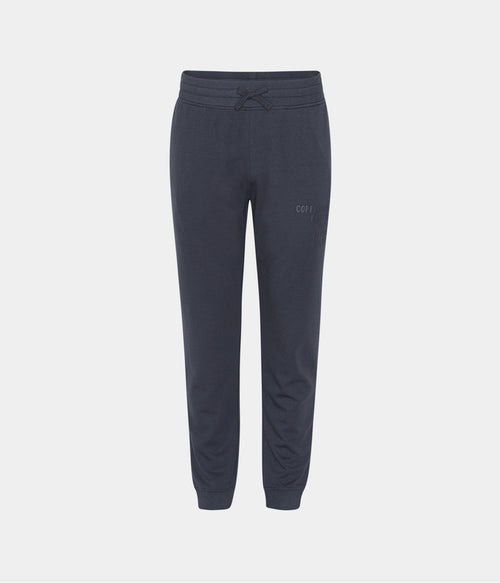
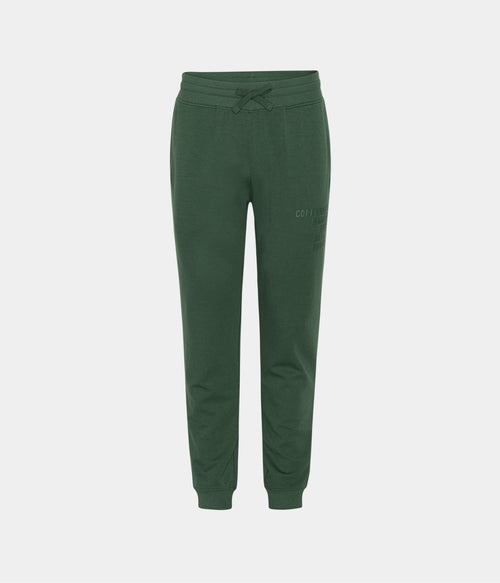
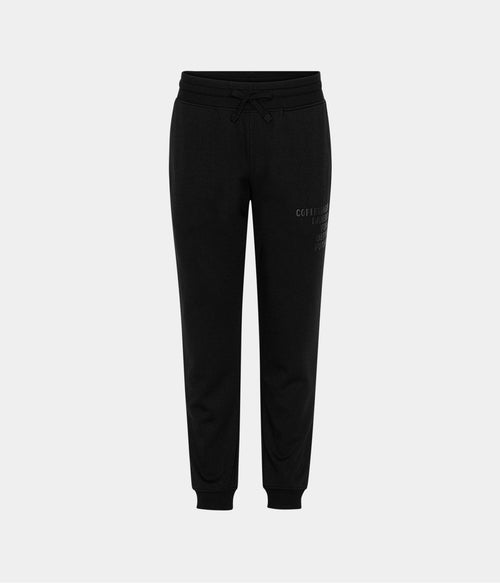
A coarse surface rubbing all day can cause redness that looks like a reaction. It shows up mostly at the collar, the crotch and under the arms, where clothing moves the most. The redness usually fades quickly once the fabric comes off. A smooth, soft fabric creates less rubbing, see bamboo sweatpants for men.
Detergent can play a part
Sometimes it is not the clothes but what you wash them in. Perfume and detergent residue that has not been rinsed out properly can irritate the skin in the same way as dye. Try a detergent without perfume, use a little less than recommended, and let the machine rinse one extra time. That leaves less residue in the fibres.
Sweat and heat make it stronger
Skin is more sensitive when it is warm and damp. Sweat can loosen residue in the fabric and bring it closer to the skin, and heat makes redness more visible. That is why many people find a jumper feels fine in the morning but itches after a long day. A fabric that absorbs moisture and does not sit too tight makes it easier for the skin.
Wash new clothes before wearing
A single wash removes much of the residue left in new clothes after production. Wash according to the care label and use a mild dose of detergent. Dark colours are best washed separately the first few times, as they often hold excess dye. It takes a little time, but it is the simplest way to avoid itching.
How to test a new garment
If you have sensitive skin, wear a new garment for a single day before using it a lot. Notice whether the itch comes in one spot, such as a seam or a label. If it only appears there, it is often friction. If the whole area the fabric covers itches, it may be dye or finishing. Then another wash is worth trying.
When to talk to a doctor
This text is not medical advice. If the itching continues after several washes, spreads, or you get a rash, blisters or swelling, talk to your doctor. A doctor can find out whether it is an allergy or something else. Do not just switch from fabric to fabric for a long time without having it checked.
Frequently asked questions
Can you be allergic to bamboo viscose
It is very rare. If the skin reacts, it is most often dye or finishing rather than the fibre itself. If you are unsure, talk to your doctor.
What should you do if your skin reacts
Wash the garment again without detergent and try it for a single day. If it continues, talk to your doctor, who can assess what is causing it.
Does it help to wash new clothes first
Yes, often. A wash removes residue from dyeing and finishing, which is the most common cause of itching for people with sensitive skin.