Flatlock and overlock, the difference in the seam
Sep 20, 2026
Short answer: An overlock seam joins the edges and leaves a small ridge on the inside, while a flatlock seam lies flat with no edge. Flatlock is felt less against the skin, especially in clothes that sit close to the body all day.
Overlock is the standard
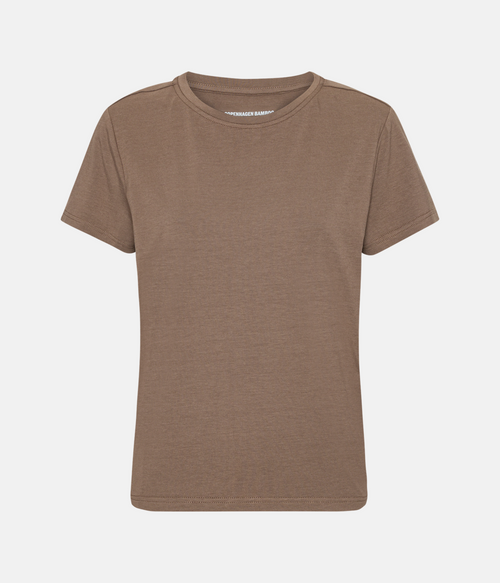
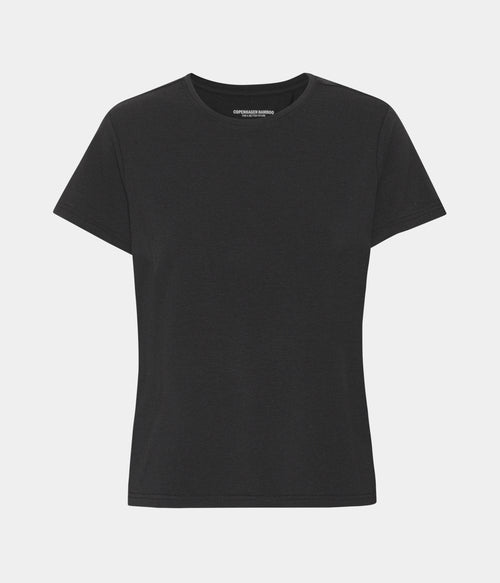
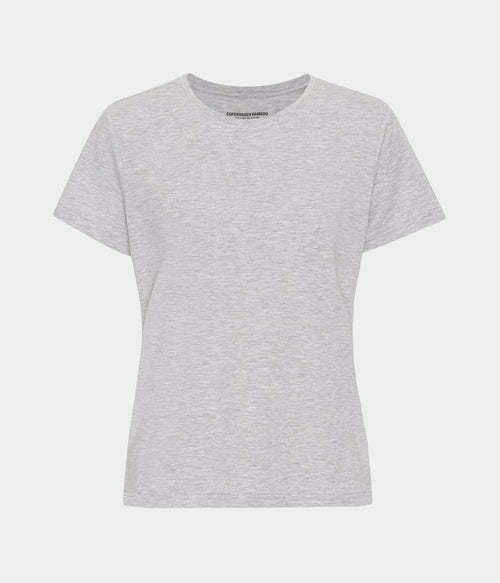
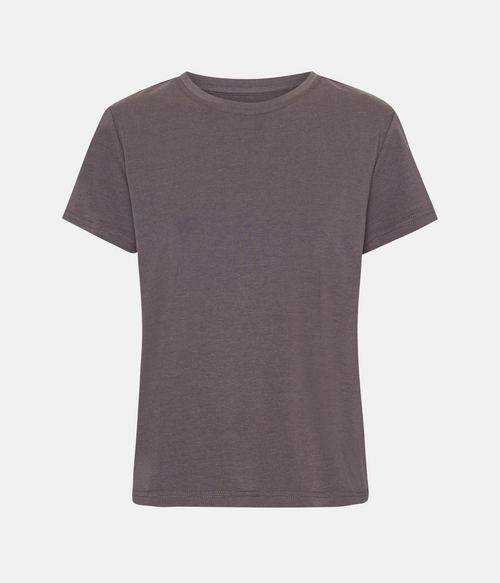
Overlock is fast, strong and used on most garments. The machine sews the seam, trims the edge and wraps thread around it in one movement, so the fabric does not fray. You know it by the dense stitching along the edge on the inside. It is used in the seams of bamboo T-shirts for women.
What an overlock seam looks like
Turn a garment inside out and you see a narrow strip of dense thread along the seam. The fabric edges lie on top of each other and are pressed to one side. This creates a small ridge that is thicker than the fabric around it. On most garments you do not notice it, but on close-fitting layers you may.
Flatlock lies flat
With flatlock, two pieces of fabric are laid edge to edge and sewn without overlap, so nothing sticks up. The thread runs across the join on both sides and holds the edges together. It is used where skin is sensitive, such as at the toe of bamboo socks, where a thick seam can quickly rub.
How to recognise flatlock
A flatlock seam looks the same on both sides, with a band of parallel stitches across the join. It feels flat when you run a finger over it, inside and out. It is also a little wider than an overlock seam, because the thread has to cover the whole join. That makes the difference easy to spot.
When the difference matters
On close-fitting layers and long days, an overlock edge can be felt, while flatlock cannot. This matters most where clothing sits close and moves against the skin, like under the arms and along the ribs. That is why flatlock is used in a bamboo bra, where the seams sit against the skin all day.
Why not everything is flatlock
Flatlock needs more thread, more time and a special machine. It is not needed everywhere, since you rarely notice a difference on loose clothing. So it is usually used where it makes a real difference, with overlock elsewhere. The result is a garment that is both durable and comfortable.
How to care for the seams
Wash at a moderate temperature and turn clothes inside out so the seams do not rub against the drum. Avoid pulling hard on seams when the garment is wet, since the thread is most vulnerable then. Dry flat or on a hanger. That way both overlock and flatlock keep their shape and strength longer.
What to look for
When you judge a new garment, turn it inside out and feel the seams. If they are even, with no loose threads and no puckering, they are well sewn. If there is a thick overlock edge where the garment sits close, it is worth trying it on before you decide.
Frequently asked questions
Is flatlock stronger
About as strong, but it uses more thread and time. Strength depends mostly on the thread and how well the seam is sewn.
Can you see the difference straight away
Yes, turn the garment over and feel it. Flatlock is flat on both sides, while overlock has a small ridge inside.
Are all seams the same in one garment
No, often some seams are flatlock and others overlock. Flatlock is usually used where the skin is most sensitive.