How elastic is put in
Sep 20, 2026
Short answer: Elastic can either be knitted straight into the fabric or sewn on as a separate band. Knitted-in elastane is softer and stretches evenly, while a sewn-on band is stronger and keeps the edges in place.
Knitted-in elastane
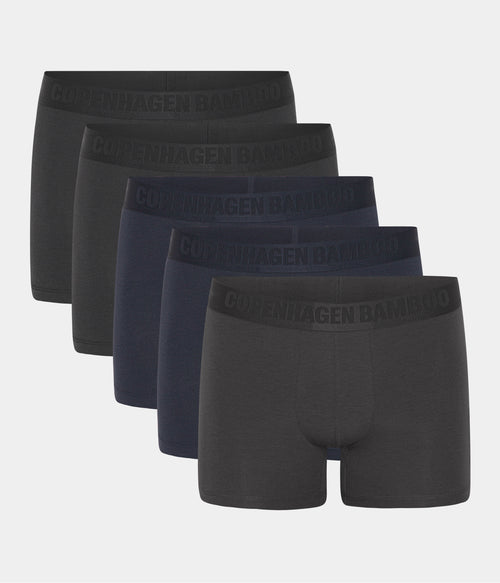
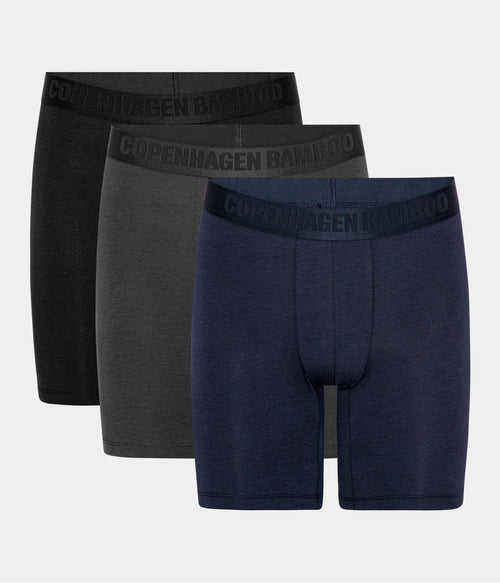
A thin elastane thread is knitted into every stitch, creating a fabric that stretches evenly across its whole surface. There is no visible edge and no spot where the pull gathers. This is how bamboo underwear for men gets its stretch, following the body as you sit, walk and bend.
Sewn-on elastic band
A finished band is stitched along an edge and gives a precise, firm pull exactly there. The band is knitted or woven separately and often contains more elastane than the fabric itself. It is used at the top of bamboo socks, where the cuff needs to stay on the leg all day without rolling down.
Why both are used
The fabric needs even stretch, while the edges need a firm pull. If a garment only had knitted-in elastane, the waistband would slide. If it only had bands, the surface would feel stiff. A good garment combines the two so each part does what it does best. See the most popular items from Copenhagen Bamboo for examples.
Channel or sewn directly
An elastic band can sit loosely in a sewn channel or be stitched straight onto the fabric. In a channel it moves a little and can be replaced. Stitched directly, it sits more firmly and twists less, but band and fabric are then joined all the way, which makes a home repair much harder.
How to feel the difference
Pull gently on the fabric and then on the edge. If the fabric gives with a soft, even pull back, the elastane is knitted in. If the edge has a firmer, stronger pull, a band has been sewn on. Also look at the inside, where a sewn-on band usually shows as a clear strip with stitching on both sides.
Heat does the most damage
Elastane handles heat poorly. High wash temperatures and especially tumble drying make the threads lose their tension faster, in both fabric and band. Wash at a moderate temperature and let the garment air dry. This matters most for underwear and socks, which are washed often and worked hard every day.
Do not stretch more than needed
Many people pull the waistband far apart when putting on underwear or socks. That strains the elastic more than wearing it does. Put the garment on calmly and gather the sock before pulling it over your foot. It sounds minor, but over hundreds of wears it makes a clear difference to how long the edge keeps its shape.
When the elastic is worn out
Worn elastic shows when the edge turns wavy, grows longer than before or no longer pulls fully back. Sometimes you can hear small snaps as threads break. The fabric may still be fine while the edge is tired. In that case the edge decides whether the garment still does its job in daily life.
Frequently asked questions
What fails first
Usually the sewn-on band, because it takes the most strain each time you dress and sits close to the body, where heat and movement wear it down.
Can an elastic band be replaced
Yes, if it sits in a channel it can be pulled out and replaced. If it is stitched directly onto the fabric, it is harder and usually needs a tailor.
Why does knitted-in elastane lose its tension
Heat and repeated stretching over a long time. A moderate wash temperature and air drying are the simplest ways to slow it down.