From plant to yarn, the steps explained
Sep 12, 2026
Short answer: Six steps take bamboo from plant to yarn and fabric: harvesting, chipping, dissolving, spinning, yarn making and knitting. Each step changes the material, and together they decide how the finished fabric feels, drapes and holds up in use.
The first three steps
First the stems are harvested and dried. Then they are chipped into small pieces so they are easier to handle. Finally, the cellulose is dissolved in a chemical bath, where it is separated from the rest of the plant material. After that, the material no longer resembles a plant, but is a thick mass ready to be shaped.
Why dissolving is decisive
It is during dissolving that bamboo stops being bamboo and becomes regenerated cellulose. That is why the fibre is called viscose on the label rather than bamboo. The process makes it possible to create long, even fibres from a hard stem, and it is what gives the fabric its smooth, soft surface.
The next two steps
The mass is pressed through nozzles with tiny holes and hardened into long threads. The size of the holes decides how fine the thread becomes. The threads are then twisted into yarn of the desired thickness. A thin yarn gives a light, fine fabric, a thicker yarn more body. It is the yarn in bamboo socks and other items.
The last step
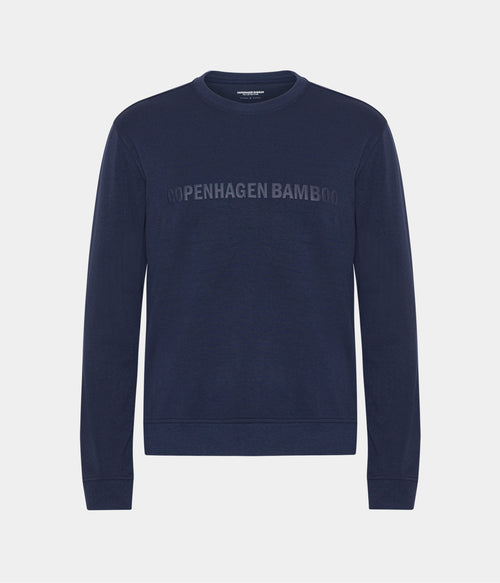
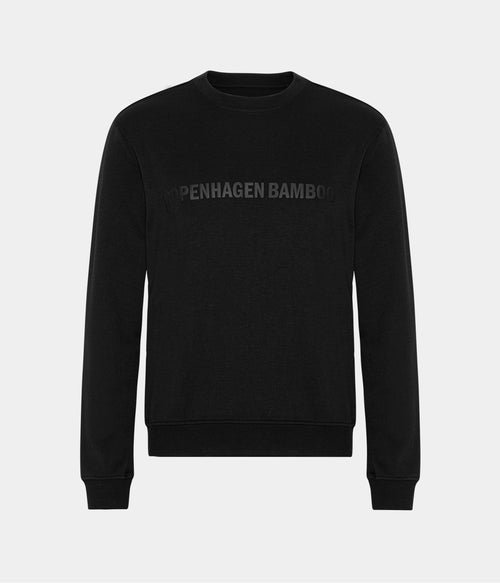
The yarn is knitted into fabric, dyed and sewn. The density of the knit decides how much the fabric gives and how airy it is. A dense knit holds its shape better, an open knit is lighter and feels cooler. The result includes items like bamboo sweatshirts for women, where a thicker knit gives a soft, warm top.
Dyeing and finishing
As a rule, the fabric is dyed after knitting, in whole lengths. That gives an even colour throughout the piece. After dyeing, the fabric may be washed and treated before it is cut and sewn. This is also where seams, waistbands and the small details are added that turn a piece of fabric into finished clothing.
What the steps mean for fit
Each step leaves its mark. Fibre fineness decides softness, yarn thickness decides weight, and knit density decides stretch and airiness. Finally, the cut and sewing decide how the clothing sits. See how it comes together in the men's collection, where T-shirts and underwear use different knits.
Care for the result
The smooth fibre and soft knit last longest when the clothing is treated gently. Wash at 40 degrees or lower, turn garments inside out and skip fabric softener. Let them air dry instead of using the tumble dryer, which wears on the fibres. That way the fabric keeps its surface and shape through many washes.
Why bamboo clothing feels different
Two garments from the same raw material can feel quite different, because they are made with different yarns and knits. A fine yarn in a dense knit feels smooth and heavy. A coarser yarn in an open knit feels more textured and light. Once you know the steps, the differences between items are easier to understand.
Frequently asked questions
Which step decides the softness
Both the fibre thickness and the density of the knit. Together they decide how the fabric feels against the skin and how much it gives as you move through the day.
Can you tell yarn qualities apart
Yes. A fine yarn gives a more even and smoother fabric, while a coarse yarn gives more texture and a slightly more matte surface that you can both see and feel.
Where does the dyeing happen
Usually after knitting, when the fabric is dyed in whole lengths. That gives an even colour throughout the piece before the fabric is cut and sewn.