Where bamboo for textiles is grown
Sep 12, 2026
Short answer: Most of the world's bamboo for textiles is grown in Asia, where the climate suits the plant. From there, the raw material passes through several stages, from fibre production and yarn to knitting, dyeing and sewing, before it becomes finished clothing.
Climate decides where it grows
Bamboo thrives in a warm, humid climate with plenty of rainfall. That is why the plantations are where they are. Bamboo can grow in cooler regions, but it rarely becomes large and dense enough to make sense as a crop for raw material. In other words, climate is the main explanation for the location.
Why rainfall matters
A plant that grows quickly needs a lot of water. In rainy areas, bamboo can often manage on the rain that falls naturally. In drier regions, watering may be needed, and then the picture changes. That is why cultivation usually takes place in areas where rain already falls in generous amounts.
From plantation to factory
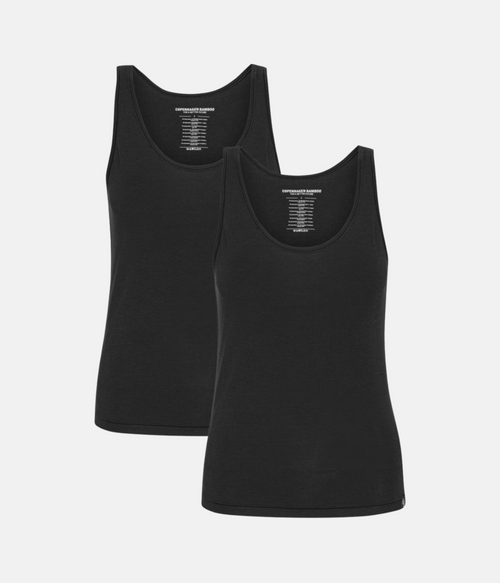
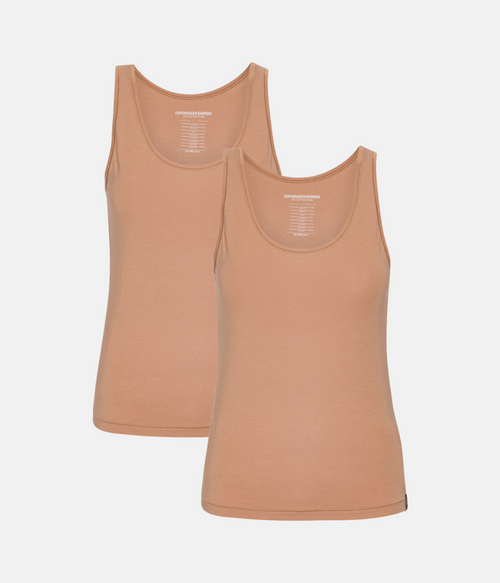
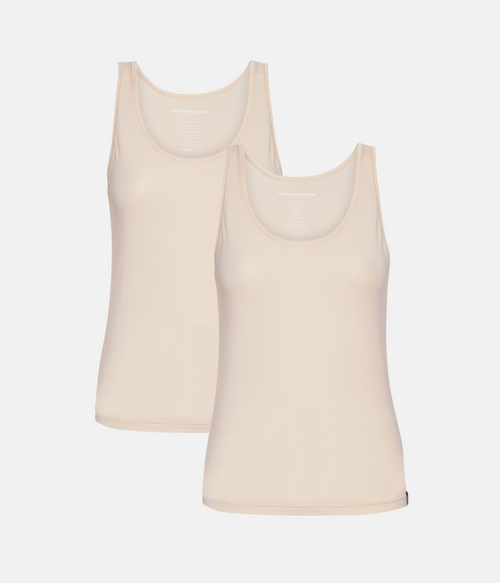
The stems are harvested, dried and chipped, and then transported to the plants that dissolve the cellulose. Chipping makes the material easier to handle, because it takes up less space than whole stems. It is the same chain that lies behind the fabrics in bamboo tops for women and the rest of the range.
From fibre to yarn
Once the cellulose is dissolved, it is pressed through fine nozzles and hardened into long threads. The threads are then spun into yarn of the desired thickness. Each step needs its own equipment and know how, so the different links in the chain can be in different places before the yarn is ready to become fabric.
From yarn to finished item
The yarn is knitted into fabric, the fabric is dyed, and finally the items are sewn. Only here does the clothing get its fit, its seams and its final colour. See the finished result in the men's collection, where the raw material from the plantation has become T-shirts, underwear and other soft everyday clothing.
A long way to your drawer
From the moment a stem is cut on the plantation until a garment is in your drawer, several months usually pass. Harvest, fibre production, spinning, knitting, dyeing, sewing and transport each take their time. That also explains why new colours and styles are planned well ahead, and why a popular item can be sold out for a while.
What origin means for you
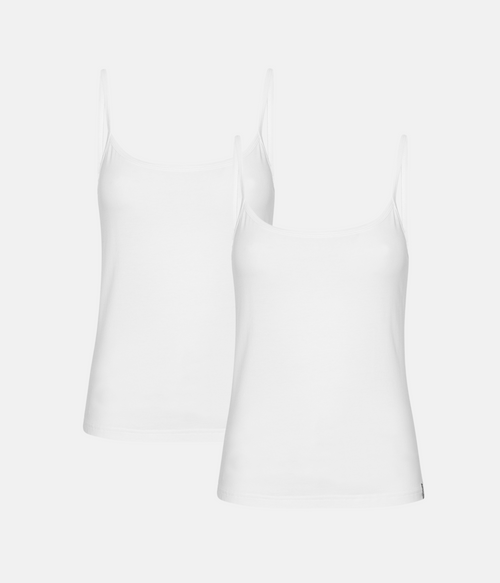
For you as a wearer, it is mainly the fibre quality and the processing you can feel, more than exactly where the plant grew. A fine, even fibre and careful knitting give a soft fabric that drapes well. A good example is the bamboo slip, where the smoothness and drape of the fabric decide how it sits.
Care once it is home
Wherever the raw material comes from, care at home decides how long the clothing lasts. Wash at 40 degrees or lower, turn garments inside out and skip the tumble dryer. Let them air dry on a hanger or flat. That way the fabric keeps its softness and shape, and the long journey from the plantation is put to good use.
Frequently asked questions
Is bamboo grown in Europe
There is bamboo in Europe, mostly in gardens and parks, but not in the quantity and quality needed for textile production. The raw material for textiles therefore comes from far away.
Does bamboo need irrigation
It depends on the area. In rainy regions it manages on rainfall alone, while drier areas may need watering during periods with little rain.
How long is the journey from plant to shop
Usually several months through harvest, fibre production, knitting, dyeing, sewing and transport. Each stage takes its time before the item is ready on the shelf.