How a fabric breathes
Sep 20, 2026
Short answer: A fabric breathes when water vapour can pass through it and out into the air. That depends on how open the knit is and whether the fibre itself can absorb moisture. The best layers combine both, so the skin stays dry all day.
Vapour needs to get through
Moisture from the skin evaporates all the time, even when you do not notice you are sweating. The vapour has to pass through the fabric into the air, and a dense fabric slows it down. The air between skin and fabric then turns damp and warm. An open knit like in bamboo sweatpants for men lets the vapour escape.
The fibre can carry moisture
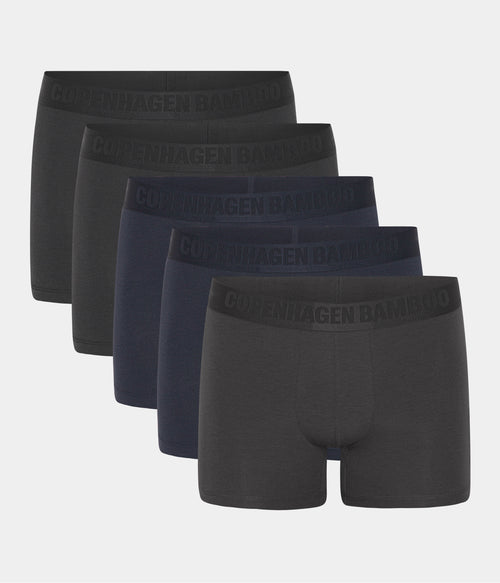
The second route goes through the fibre itself. Viscose absorbs moisture into the fibre on the side facing the skin and releases it on the dry side facing the air. It works even in a dense fabric because the moisture does not need to find a gap. That is why bamboo underwear for men feels dry.
Two routes at once
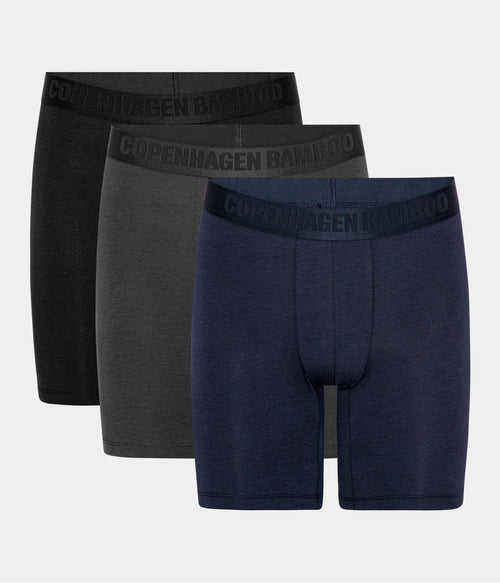
A good base layer uses both routes at the same time. The open knit lets vapour through the gaps, and the absorbent fibre draws moisture away from the skin and outwards. Together they make a layer that keeps up whether you sit still or move. You see it in the most popular styles among the most popular for men.
Breathable is not the same as cooling
A breathable fabric does not cool you on its own. It makes the body's own cooling possible by letting sweat evaporate. If the fabric is dense and does not absorb moisture, the moisture gets trapped and the body cannot shed heat. Breathability is about letting the body do its job without the fabric getting in the way.
Thin is not always best
Many assume the thinnest fabric always breathes best. But a thin, tight weave can be less breathable than a thick, open knit. What counts is how easily vapour gets through, not how thick the fabric is. Hold the fabric up to the light and see how much comes through to get a good sense of it.
Fit plays a part
A close fitting layer gives vapour a short path from the skin out through the fabric. A loose layer has air in between that can also carry moisture away. Both can work, just in different ways. For underwear a close fit is often best, while trousers and tops can have a little air around the body.
Washing affects breathability
Residue from detergent and fabric softener can coat the fibres and close up the knit. Vapour then struggles to get through and the fibre absorbs moisture less well. Use a little detergent, skip the softener and rinse well. That way the fabric keeps its ability to breathe wash after wash.
How to choose a breathable layer
Look for a knit that lets light through and a fibre that can absorb moisture. Feel whether the fabric is dry and light against the skin. Choose a close fit nearest the body and a little more air in the outer layers. That gives you a combination that keeps you dry and comfortable through a whole day.
Frequently asked questions
Is breathability the same as cooling
No, but a breathable fabric makes the body's own cooling possible by letting sweat evaporate through the fabric.
Can breathability be measured
Yes, there are standardised tests that measure how much vapour passes through the fabric per hour.
Are thin fabrics always most breathable
No, a tight thin weave can be less breathable than a thick open knit. What counts is how easily vapour gets through.