Why thin fabrics can be warm
Sep 20, 2026
Short answer: Warmth comes from the air a fabric holds, not from how thick it is. A thin but dense fabric can hold more still air than a thick, open one. That is why a thin layer can keep you much warmer than its weight suggests.
The air does the work
Two thin layers with air between them insulate better than one thick layer with no air gap. Each layer traps its own cushion of still air, and the cushions stack on top of each other. The body warms the air and it stays put. That is why bamboo t-shirts for men under another layer add real warmth, even though they are thin.
Density matters more than weight
A dense knit traps air, while a thick, loose knit lets it escape with every movement. When you walk, bend or lift your arms, a loose fabric pumps air out and cold air in. A dense fabric holds on to warm air better. You can see this clearly in bamboo joggers for men, where density makes the difference.
Fit plays its part
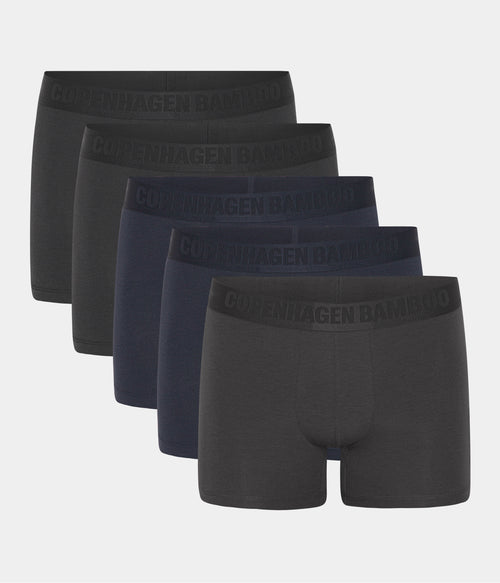
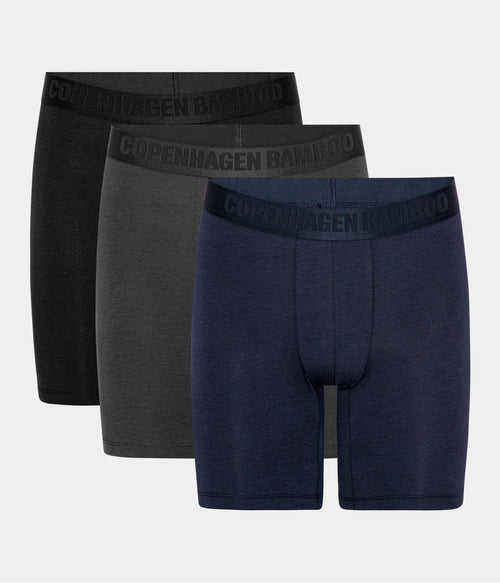
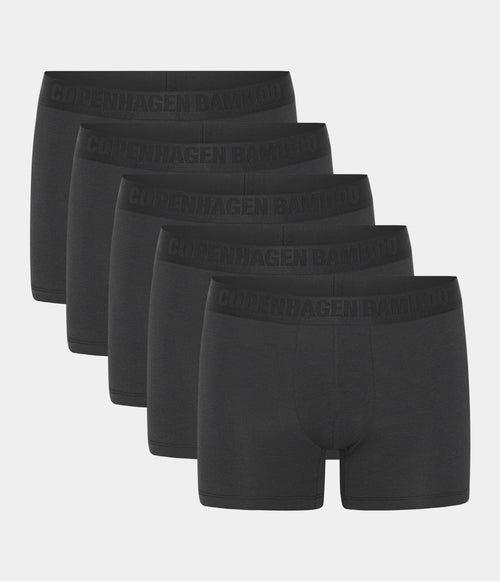
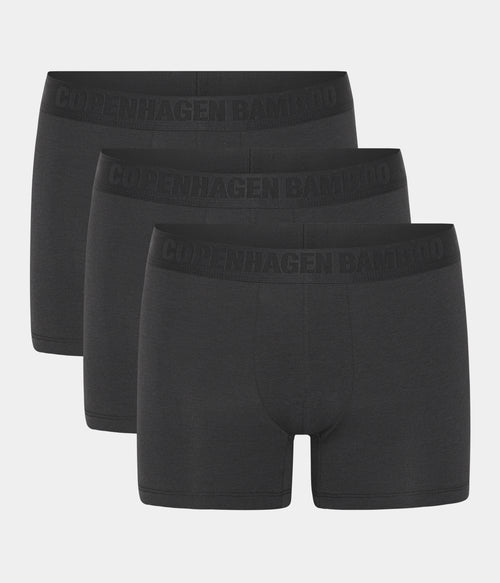
A close fitting layer holds air against the skin, while a loose layer lets it be replaced. The air in a close fitting layer has a short path and stays where it helps. That is why bamboo underwear for men keeps you warmer than you might expect, because it sits right against the body and holds warm air in place.
Thick and loose can be cold
Many people know the feeling of being cold in a thick but loose jumper. It happens because the air is replaced with every movement and the warmth goes with it. The jumper looks warm but cannot keep the air still. It is not the amount of fabric that counts but its ability to hold the air the body has warmed.
Thin layers are easier to adjust
One benefit of several thin layers is that you can take one off when you warm up and put it back on when you cool down. With one thick layer you only have two options, too warm or too cold. Thin layers give you more steps to choose from, so you can keep an even temperature all day.
Moisture is the thin layer's weak spot
A thin layer insulates well as long as it is dry. If it gets damp with sweat, water pushes out the still air and the insulation disappears fast. So it makes sense to choose a base layer that moves moisture away from the skin and to change into a dry layer if you have sweated a lot.
How many layers are enough
Two to three thin layers give the most warmth per gram of clothing. A thin base layer next to the skin, a mid layer that holds air, and perhaps an outer layer against wind. More layers rarely add warmth, because they press each other flat and squeeze the air out. It is about the right combination, not wearing as much as possible.
Using it day to day
Start the day with a thin, close fitting base layer. Add another layer when you go out and take it off again when you come inside. Choose dense knits for cold days and slightly more open ones for mild days. That way a few thin pieces can cover most days of the year without filling the wardrobe with thick jumpers.
Frequently asked questions
Can a thin layer replace a thick one
Often yes, if it fits close and is densely knitted. Two thin layers can often do the same job as one thick one.
How many layers is ideal
Two to three thin layers give the most warmth per gram of clothing. More layers often squeeze the air out and add no extra warmth.
Why do you get cold in a thick but loose jumper
Because the air is replaced with every movement and the warmth goes with it. A closer fit holds the warm air better.