How a repair survives the wash
Sep 20, 2026
Short answer: A repair holds when the thread is secured at both ends, the stitches are small and the seam can stretch. If one of the three fails, it comes undone in the second or third wash. With the right habits, the repair lasts as long as the rest of the garment.
Securing the thread matters most
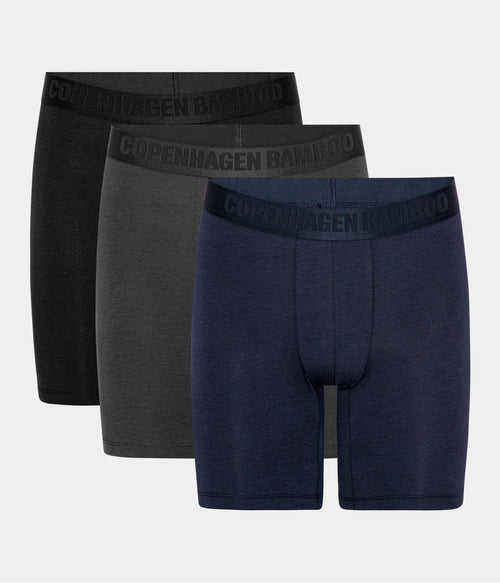
Three to four stitches on top of each other at each end stop the thread from pulling out. This applies to every repair, including socks for men. In the machine, clothes are twisted and pulled, and a loose end slowly works its way out. Also pull the end under a few stitches before cutting it.
Small stitches spread the load
Large stitches put all the strain on a few points, and that is where the thread snaps first. Sew tightly, also on bamboo sweatpants for men. Two to three millimetres per stitch is a good measure on knits. The more points the thread passes through, the less each one has to hold.
The seam has to move with you
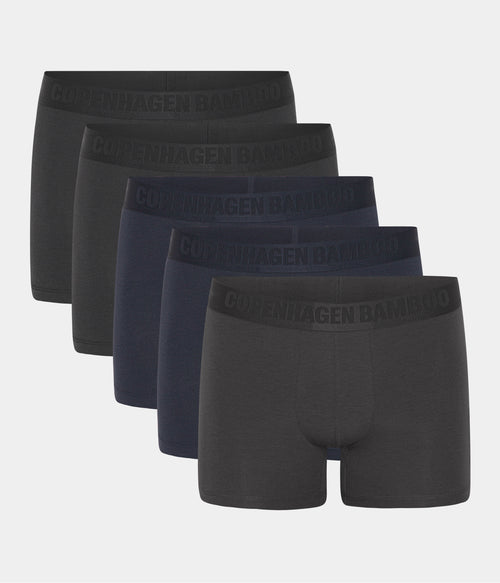
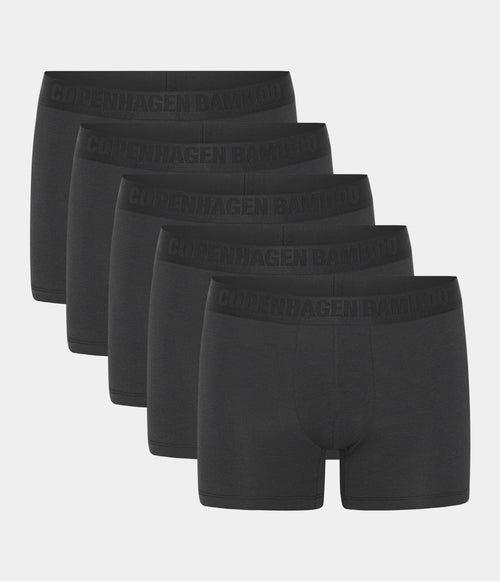
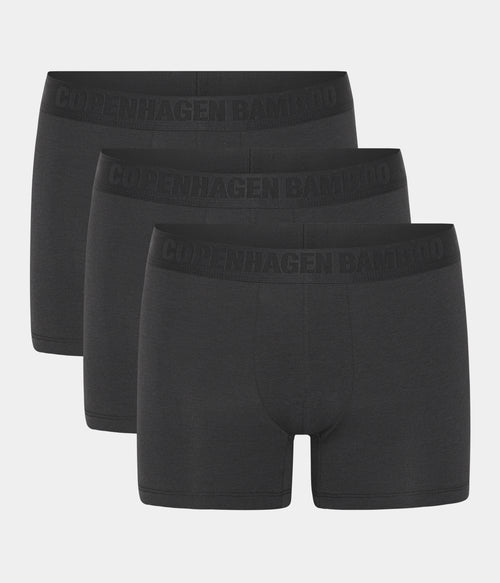
A straight stitch in a knit snaps at the first stretch, while zigzag or backstitch moves with it. The same goes for bamboo underwear for men. Knit gives every time you put the garment on, and the seam has to give the same way. Pull gently on the seam when finished and feel whether it follows the fabric.
Choose the right thread
Polyester thread is strong and has a little stretch, so it suits knits well. Cotton thread is softer but does not give and can snap in a seam that gets stretched. Use a fine thread so it takes up no more room than the original stitches. It should be strong enough to hold, but not stronger than the fabric.
Use the fabric's own holes
Sewing through the holes the old seam left means you do not stress the knit with new ones. New needle holes close to old ones can make loops come loose. Start and finish a couple of centimetres into the intact part of the seam. That gives extra strength to the join between old and new, where it is usually weakest.
The first wash
Wash the garment inside out at thirty degrees the first time after the repair. A laundry bag protects the seam from being pulled by zips and other clothes. Skip the tumble dryer, since heat makes thread and fabric brittle. Check the seam once it is dry. If it survives the first wash, it usually survives the rest.
Let it dry flat
Hanging a wet garment from a repaired seam lets the weight of the water pull on the stitches. Lay it flat on a drying rack or over a rail instead, so the weight spreads out. This matters most for heavier pieces like sweatpants. Dry it reasonably quickly, but not in direct heat.
If it comes undone anyway
A repair that comes undone shows where it went wrong. If the thread slipped out at the end, it was not secured well enough. If it snapped in the middle, the stitches were too long or too tight. Sew it again with smaller stitches and better securing, and use backstitch where the seam has to stretch.
Frequently asked questions
How do you wash a repaired garment
As usual at thirty degrees, ideally in a laundry bag the first few times. Turn it inside out so the seam is protected in the drum.
How many washes does a good repair last
As many as the rest of the garment. A repair with good securing and small stitches is often stronger than the original seam.
What do you do if it comes undone
Sew it again with smaller stitches and better securing at the ends. Look at where it opened so you know what to do differently.