When a tailor is better than you
Sep 20, 2026
Short answer: A tailor is the better choice when the fit needs changing, a whole rib band needs replacing or thick layers need sewing. Holes, seams and elastic in a channel you can handle yourself. The line falls where special machines or pattern knowledge are needed.
Fit takes experience
Taking a garment in or adding a gusset requires understanding the pattern. A tailor knows where fabric can be removed without the garment sitting crooked afterwards. The same applies when bamboo socks for men and women need their length changed. A wrong cut cannot be undone, so experience pays off here.
Machines you do not have
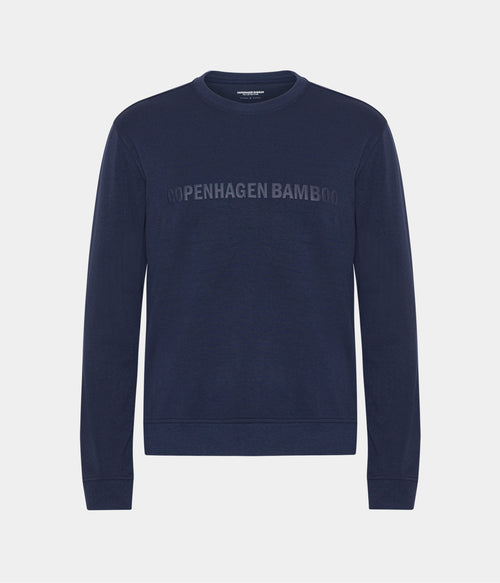
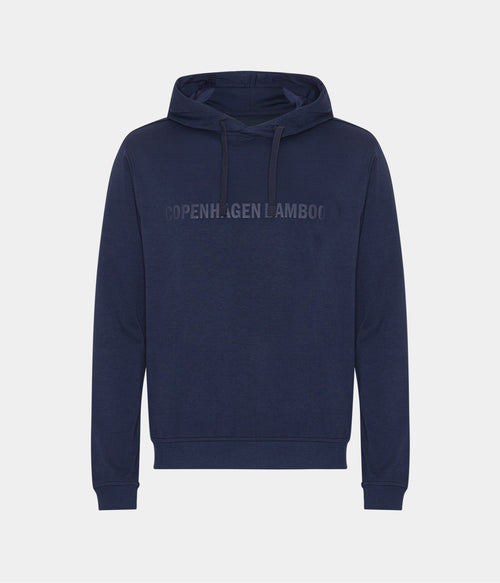
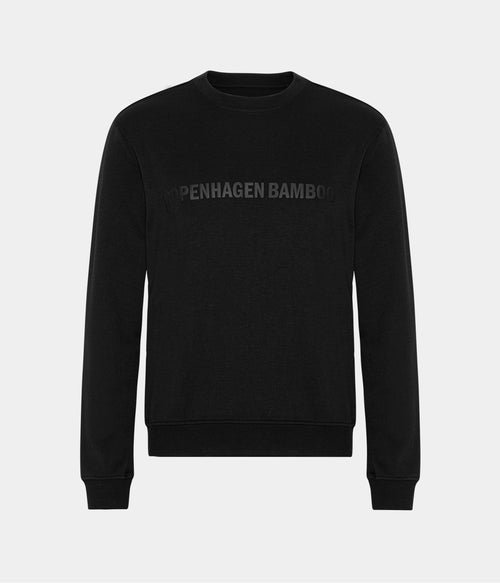
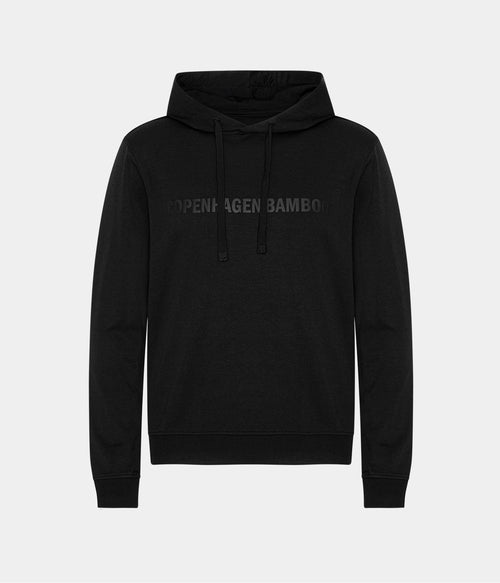
An overlock machine sews a stretchy edge that hand stitches cannot copy. It cuts, sews and finishes in one pass, so the edge both stretches and holds. That matters on bamboo sweat for men and women, where the edge has to give. With needle and thread you can make a decent temporary fix, but not the same result.
Thick layers and rib bands
Rib bands at the cuffs and waist are knitted separately and sewn on. Replacing a whole band means unpicking the old one and sewing on the new one with even stretch all the way round. That is hard to get even by hand. The same goes for seams where several layers meet, since a hand needle struggles to get through.
Work out the price first
An alteration often costs two to four hundred Danish kroner, and that has to match the value of the garment. Compare it with the price of new bamboo t-shirts for women. If it is a favourite you wear every week, it can easily be worth it. If you rarely wear it, the money is often better spent elsewhere.
What you can do yourself
A small hole, a split seam and elastic that needs replacing in a channel are tasks anyone can learn. You need a needle, thread in the right colour and twenty minutes. Pilling comes off with a fabric shaver in a few minutes. Paying for small jobs like these often costs more than the garment is worth.
How to choose a tailor
Ask whether the tailor works with knits and stretch fabrics, as not all do. Get a price before the work starts and ask how long it will take. Show exactly what you want, ideally by trying the garment on. A good tailor will also tell you honestly if an alteration will not look right on that piece.
Combine home and tailor
You can do the prep work yourself and leave the hard part to the tailor. Unpick a loose band at home, for example, and let the tailor sew on the new one. Handing in several small jobs at once is often cheaper. That way you use the tailor where it makes a difference and do the rest at the kitchen table.
Think about the garment's life
A good question is how many more years the garment can last after the repair. If the fabric is still dense and the colour fresh, an alteration is a sound investment. If the fabric is worn thin in several places, the next hole will come soon. Then it can live on as loungewear while you find a replacement.
Frequently asked questions
What can a tailor do that you cannot
Change the fit, replace rib bands and sew thick layers by machine. They also have an overlock machine that gives an edge which stretches like the original.
What does a simple repair cost
From one hundred Danish kroner for a seam, more for alterations. Prices vary between tailors, so always ask before the work starts.
What should you do yourself
Holes, seams, elastic in a channel and pilling. These are jobs that take under half an hour and only need a needle, thread and a little practice.