How bamboo becomes fabric
Sep 12, 2026
Short answer: The bamboo stalks are chipped, the cellulose is released, the pulp is dissolved and pressed into fibres, the fibres are spun into yarn, and the yarn is knitted or woven into fabric. The fabric is then dyed and finished before it is cut and sewn into clothing.
From stalk to pulp
The stalks are chipped and cooked with chemicals until the cellulose can be separated from the rest of the plant. This is the first and most energy intensive step of the process. The result is a soft pulp that is washed and pressed into sheets. Those sheets are the raw material for the next steps, and this is where the plant really changes form.
From pulp to solution
The cellulose sheets are dissolved into a thick liquid. The liquid has to be completely even, because lumps and impurities would create weak spots in the fibres later. It is therefore filtered and left to rest before moving on. You cannot see this step in the finished garment, but it matters a lot for how uniform the fabric becomes.
From solution to fibre
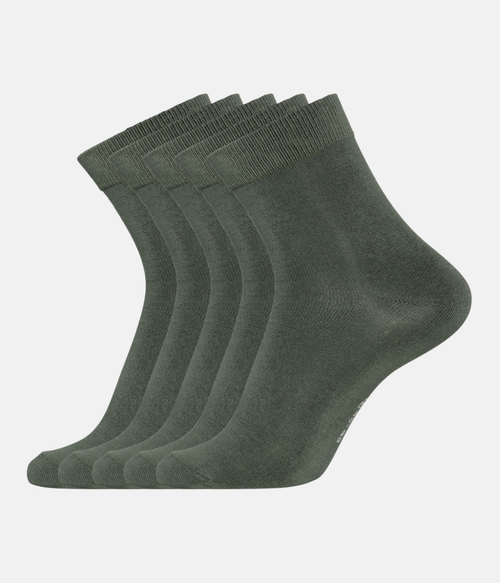
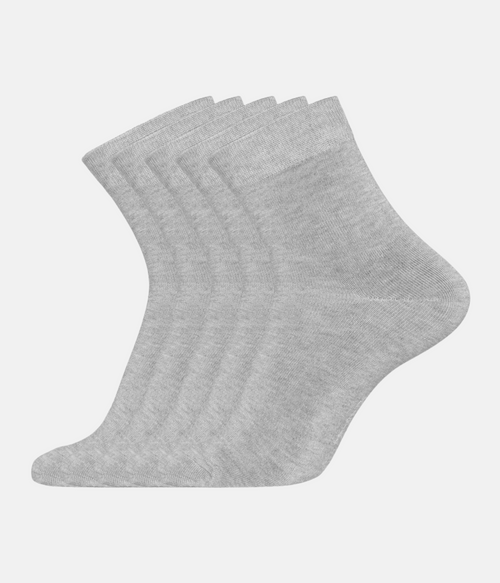
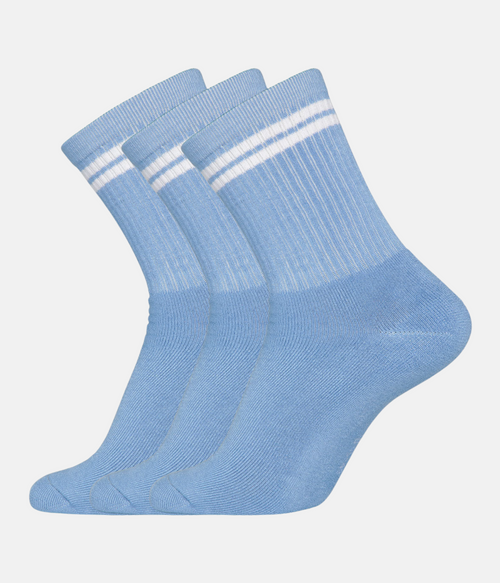
The liquid is pressed through nozzles with many small holes into a bath where it hardens. The result is long, uniform threads that are stretched, washed and dried. The threads are cut to suitable lengths or used as long filaments. They become the yarn in bamboo socks and the rest of the range.
From fibre to yarn
The fibres are carded so they lie parallel, then spun into yarn. The more tightly and evenly the yarn is spun, the smoother and stronger the fabric becomes. A little elastane is often blended in so the fabric stretches and holds its shape better. That is especially important in garments meant to fit closely, such as socks and underwear.
From yarn to fabric
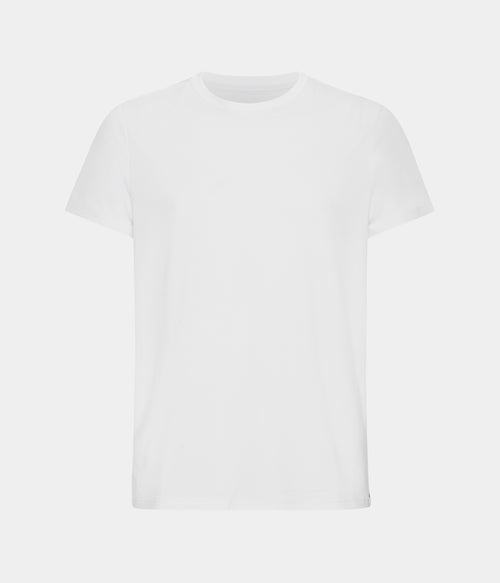
The yarn is knitted into jersey or rib on large circular knitting machines. Knitted fabric is elastic and follows the body, and it is used for most of the range, from T-shirts to sweatwear. Woven fabric is firmer and is used less for this kind of everyday clothing. See how knitted fabric is used in the men's range.
Dyeing and finishing
The raw fabric is pale and needs to be dyed. This happens in large vats where the fabric moves through the dye bath until the colour has penetrated evenly. Afterwards the fabric is washed and may be pre-shrunk so it changes less when you wash it at home. This is also where the fabric gets its final softness.
From fabric to clothing
Finally, the fabric is laid out in layers, cut to patterns and sewn together. Here the stitching decides how well the garment lasts: flat seams, a firm neckline and straight hems. The garments are checked, folded and packed. See the finished results among the most popular pieces from Copenhagen Bamboo, where the many steps end in a soft fabric.
What the process means for you
Because the fibre is manufactured, it is very uniform, which gives a fabric that feels smooth and soft. It also means the fabric should be treated a little gently: wash at 30 or 40 degrees, avoid the tumble dryer and pull the garment lightly into shape while damp. That way it keeps its shape and softness longest.
Frequently asked questions
How many steps are there in total
Five to six main steps from plant to finished fabric, plus dyeing and finishing. After that comes cutting and sewing before the garment is ready.
Are chemicals used
Yes, in dissolving the cellulose and in dyeing. Modern plants recover and reuse a large share of the chemicals used for dissolving.
Why does the label not just say bamboo
Because textile rules require the fibre to be named after how it is made. So the label says viscose, often with bamboo noted as the raw material.