Bamboo viscose or bamboo lyocell
Sep 12, 2026
Short answer: Both fibres are made from bamboo cellulose, and the difference lies in the process. Lyocell is dissolved with a solvent that is reused in a closed loop, while viscose is made with a different chemistry. In everyday wear the two fabrics feel very similar.
Same raw material, different process
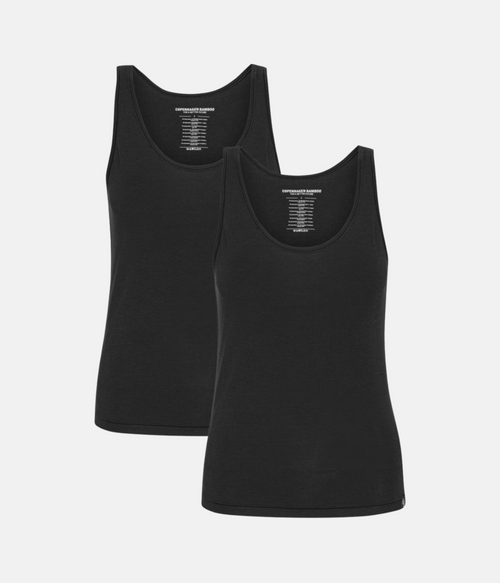
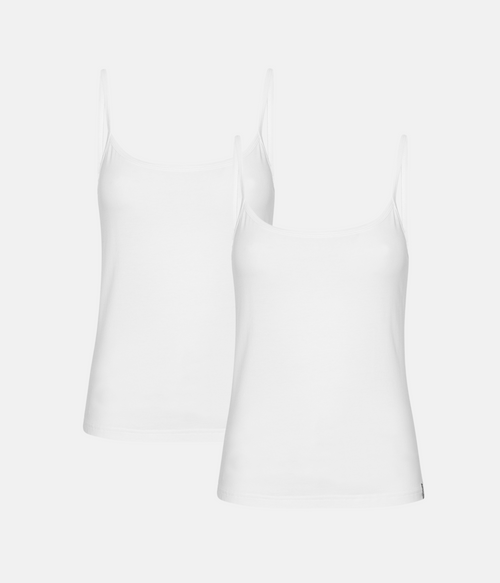
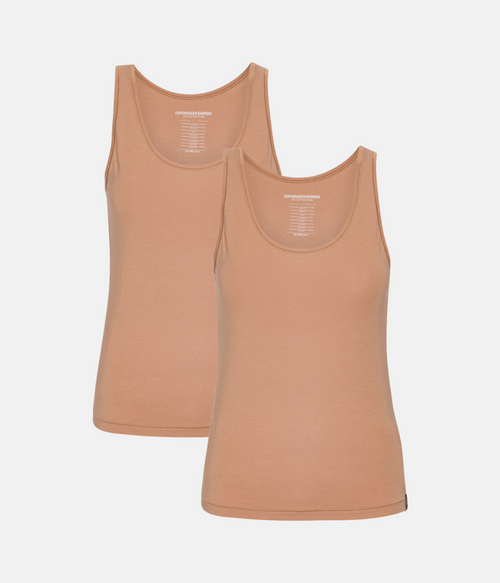
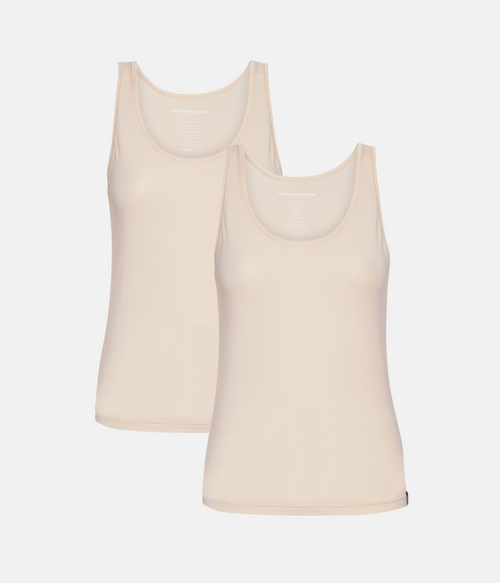
Bamboo viscose and bamboo lyocell both start with the same cellulose from the bamboo plant. What separates them is how that cellulose is dissolved and spun into new fibres. The raw material is the same, but the route from plant to yarn differs. Both end up as soft, smooth fabrics like those in bamboo tops for women.
How viscose is made
For viscose, the cellulose is treated with chemicals until it becomes a thick liquid. This is pressed through tiny holes and sets into long filaments that are then spun into yarn. The method is old and well known and is used for many cellulose fibres, not only bamboo. The result has a soft drape and a smooth surface.
How lyocell is made
Lyocell uses a different solvent to dissolve the cellulose. After use, the solvent is collected and reused in a closed loop, so it runs through the plant again and again. The principle of pressing the liquid through tiny holes to form long filaments stays the same. What differs is the chemistry and how it is handled.
Lyocell is a little stronger
Lyocell fibres usually keep more of their strength when wet and tend to pill a little less. That can matter for clothes that are washed often and worn hard. Viscose, on the other hand, drapes more softly and sits closer to the body. Both have their place, and you can compare the fabrics in our most popular styles.
What you notice when wearing it
Day to day, the two fibres are very alike. Both feel smooth, both are comfortable against the skin, and both can be worn all day. The difference shows mostly over time, when lyocell often keeps its shape and surface a bit longer. For basics worn every week, that is worth considering. Browse all men's clothing.
Read the care label
The label names the fibre, not the raw material. If it says viscose, it is viscose, and if it says lyocell, it is lyocell. Bamboo is mentioned only as the plant the cellulose comes from. If you are unsure what a garment is made of, the label in the seam is the most reliable place to check before buying.
Washing and care are almost the same
Both fibres do best with a gentle wash at a moderate temperature and a mild detergent. Turn garments inside out and let them air dry rather than using a tumble dryer. Viscose is a little more delicate when wet, so avoid wringing it hard. Lyocell tolerates a bit more but also benefits from calm handling.
Choose by how you use it
If a soft drape and a light feel matter most, viscose is a good fit. If you want a fabric that handles many washes and keeps its surface neat, lyocell may be the better choice. For most people the difference is small, and fit, weight and cut matter more for how happy you are with a garment.
Frequently asked questions
What does the label say
Lyocell is listed as lyocell and viscose as viscose. Bamboo appears only as the raw material, because the rules require the fibre to be named after the way it is made.
Is lyocell more expensive
Often yes, because the process needs more advanced equipment and recovery of the solvent. The price gap also depends on fabric weight, knit and the style itself.
Which one is softer
Viscose usually feels slightly softer and drapes more. Lyocell is a little firmer on the surface, but most people only notice the difference when holding both fabrics at once.