How to combine three colours
Sep 12, 2026
Short answer: Three colours work when they have different roles. A base colour takes up the most space, a secondary colour ties things together, and an accent makes up only a small part. Then the eye knows where to rest, and the outfit looks chosen rather than random.
A base colour takes up the most
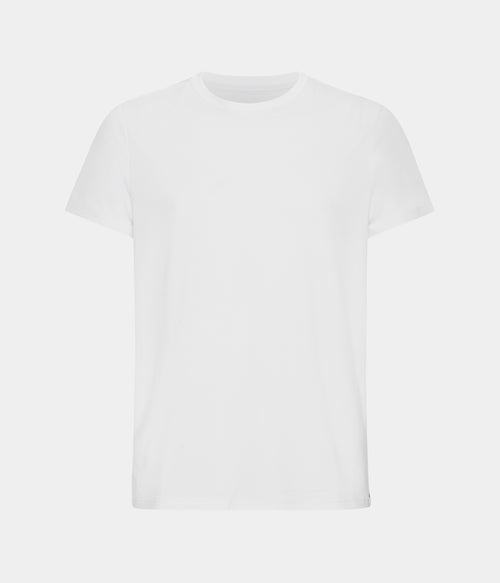
Half or more of the outfit should be the base colour. It sets the mood and needs to be calm enough to carry the rest. Black, grey, navy and beige are obvious choices, because they go with almost everything. Often the trousers or a top carry the base colour, but layers close to the body can too. See bamboo undershirts for men.
A secondary colour ties it together
The second colour takes up about a third and creates balance. It should suit the base colour without competing with it. A slightly lighter or darker shade of the base always works, but another calm colour can too. Sweat clothes and other top layers are good places for the secondary colour. See bamboo sweat clothes.
An accent in a small amount
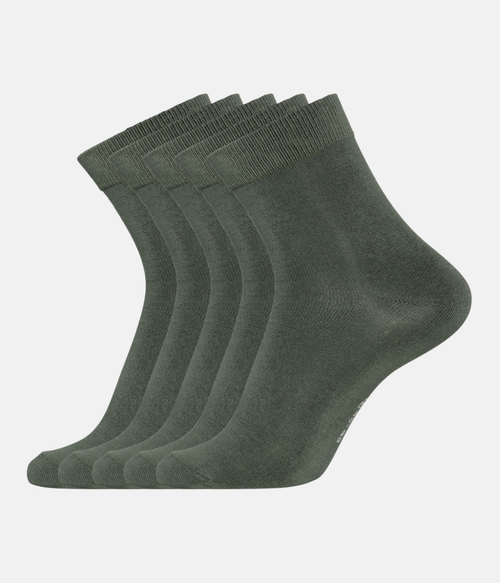
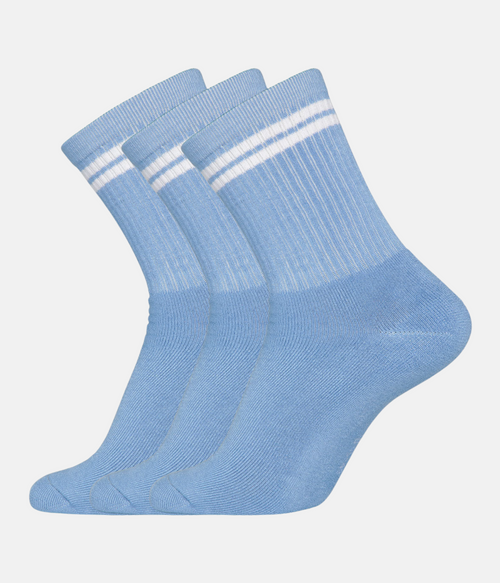
The third colour should be only a small part of the whole. It might be a top that shows only at the neckline, a pair of socks or a single detail. Because the accent takes up little space, it can be bolder than the other two. It gives the outfit personality. Find ideas among the most popular pieces from Copenhagen Bamboo.
Why equal colours do not work
When three colours take up the same amount, the eye does not know where to rest. The outfit looks busy, even if the colours suit each other on their own. It is the balance that makes the difference. With a clear main colour, a supporting colour and a small accent, the outfit gets a rhythm the eye can follow.
Choose the accent with care
The accent should be seen, so it should be the colour that stands out most. That could be a clear colour against a calm outfit, or a light tone against dark colours. Keep the accent to one or two places, no more. Spread across the whole outfit, it stops being an accent and becomes a third main colour.
Start with what you have
The easiest start is with the colours you already own most of. Most people have a natural base colour in the drawer, such as black or grey. Add a secondary colour that suits it, and use the accent for the few pieces that stand out. That way you can put an outfit together quickly in the morning.
Neutrals count too
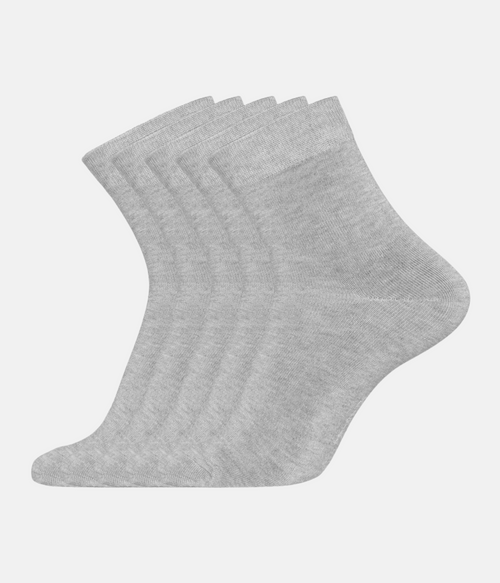
White, grey and beige are colours too when you assign roles. An outfit in black, grey and white follows the same rule as one in navy, beige and green. Neutrals just make it easier, because they rarely clash. If you want to try the rule, an all neutral outfit is a good place to begin.
Check the whole in the mirror
Once you have chosen, look at the outfit from a little distance. If you can see straight away which colour is the main one, the balance is right. If you are unsure, swap one of the larger pieces so the base colour takes up more space. It takes seconds and makes a clear difference.
Frequently asked questions
How do you combine three colours
By giving them different roles. A base colour takes up the most, a secondary colour ties it together, and a small accent adds personality to the outfit.
Why do three equal colours look wrong
Because the eye does not know where to rest. Without a clear main colour, the outfit looks random rather than chosen, even when the colours suit each other.
Which colour should be the accent
The boldest one. An accent needs to be seen, so it should be the colour that stands out most, placed in one or two spots in the outfit.