How to reinforce a weak seam
Sep 20, 2026
Short answer: A weak seam is reinforced with an extra row of stitches parallel to the original, sewn from the inside. It gives the seam more strength without showing from the outside, and it takes only a few minutes if you do it in time.
Sew beside it, not on top
If you put the stitches right on top of the old seam, the fabric turns stiff and can tear just beside it. A parallel row a few millimetres from the old one spreads the load over a wider strip of fabric. It works better and lasts longer. The method suits bamboo socks for men, where the toe seam takes a lot of wear.
Reinforce before it fails
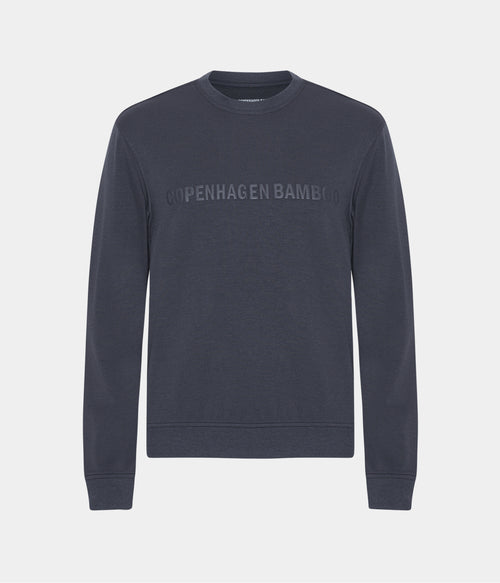
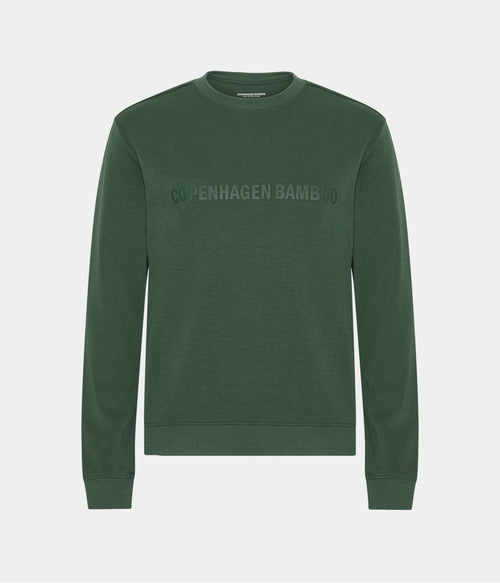
A seam that is starting to open at one end can be reinforced before it gives way completely. That is much easier than closing a long gap later. Look for loose threads and small openings when you fold the laundry. Check the shoulders of a bamboo sweatshirt for men in particular, where the weight of the sleeves pulls on the seam.
Use stretchy stitches on knits
A zigzag or backstitch moves with the fabric when it stretches, while a straight stitch can snap. A knit gives every time you put the garment on, and the seam needs to do the same. Backstitch is easy by hand and is both strong and slightly elastic. That also applies to bamboo boxers, where the seams stretch every day.
Find the weak spots
Some seams take more strain than others. Shoulder seams carry the weight of the sleeves, crotch seams stretch when you sit, and the underarm seam moves all day. That is where seams most often open. Turn the garment inside out and look at exactly those places. If the stitches are thin or loose, that is a good place to reinforce.
How to sew a backstitch
Bring the needle up through the fabric, take a stitch backwards, and come up again a little ahead of the first stitch. Repeat, so each new stitch meets the one before. The result is a dense line that looks like a machine seam on the right side. Keep the stitches at two to three millimetres and tighten evenly.
Thread that suits the job
Use polyester thread in the same colour as the fabric. It is strong and gives a little, so it follows the fabric. Use single thread on thin fabrics and double on heavier ones if the seam carries a lot. Start and finish with a few stitches on top of each other on the inside, so the thread does not slip out in the wash.
Reinforce new garments early
If a new garment has a seam that looks thin, you can reinforce it before you start wearing it. It takes ten minutes and can save you a bigger repair later. This makes most sense on garments you know you will wear a lot. Look for loose thread ends and short stitches at the ends of the seams.
Wash gently afterwards
A reinforced seam lasts best when it is not treated roughly. Wash on a gentle cycle and turn the garment inside out. Avoid the tumble dryer if you can, because the heat and movement pull at the seams. Check the seam after a few washes and add an extra stitch if anything has loosened.
Frequently asked questions
Which seams should be reinforced
Shoulder seams, crotch seams and the underarm seam. These places move the most and stretch most often in daily life, so they are usually the first to open.
How long does it take
About ten minutes per seam by hand. If you do it in time, before the seam opens, it is one of the quickest repairs you can make.
Can you reinforce in advance
Yes, on new garments where a seam looks thin, it is a good investment. A few minutes now can save you a bigger repair later.