What a darning needle is used for
Sep 20, 2026
Short answer: A darning needle is thicker than a regular sewing needle, with a large eye and a rounded tip. You use it to weave yarn into knitwear without splitting the threads, and it is the main tool for mending a hole in a heel, toe or elbow.
The round tip is the point
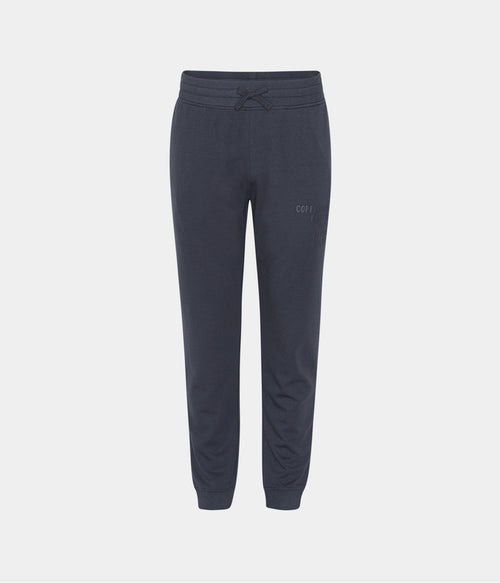
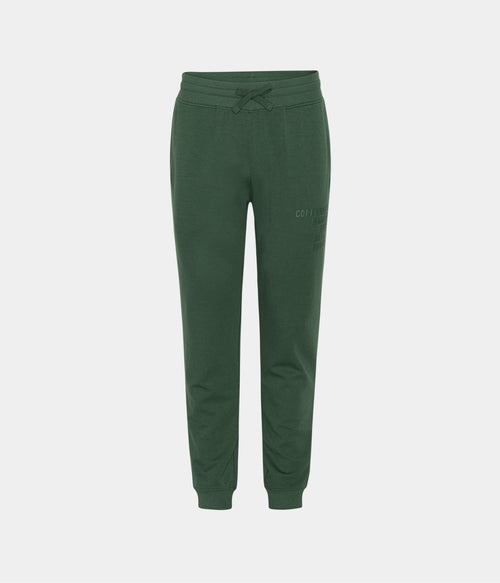
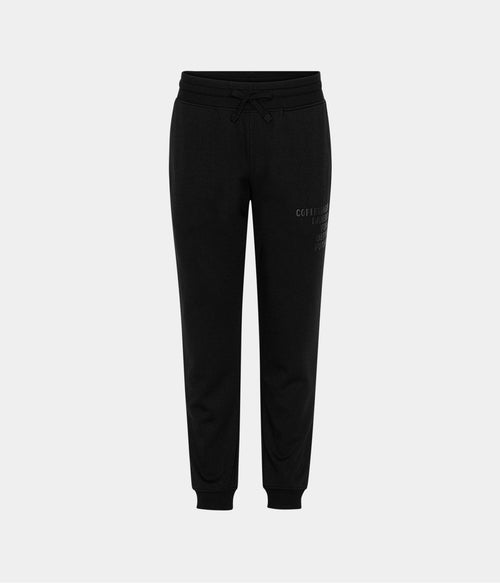
A sharp needle pierces the thread itself and weakens it, while a rounded tip slides neatly between the threads. This matters in knitwear, where every stitch hangs on the next. Split a thread and the spot gets thinner and gives way sooner. It applies especially to thick, soft pieces like bamboo sweatpants for men.
The large eye takes yarn
Darning uses yarn rather than sewing thread, and yarn is thick. The eye has to be big enough for the yarn to pass through without fraying. A small eye makes the work slow and wears the yarn before you have really started. That goes for mending heels and toes, and for knitwear such as a bamboo tank top for men.
Length makes the job easier
A long darning needle can reach across a hole in one pass. That gives even threads lying side by side, which is the basis of a neat darn. With a short needle you have to stitch several times along the same line, and the threads easily end up crooked. If your pack has several needles, pick the longest one that still feels comfortable.
How to use it step by step
Turn the garment inside out and place something firm behind the hole, such as a large spoon or a small ball. First sew parallel threads across the hole and a little into the intact fabric around it. Then weave yarn across them, over and under, like a small basket. Finally, secure the ends on the inside.
Choose yarn that suits the fabric
The yarn should be slightly thinner than the fabric's own thread. Too thick and the darn becomes a hard lump that rubs against the skin. Too thin and it will not last. Try to find a colour close to the fabric so the repair blends in. Soft yarn suits soft materials best, because the spot then feels like the rest.
When a regular needle will do
For small holes and loose stitches, an ordinary needle and sewing thread work fine. You simply close the hole from the inside with small stitches. But once the hole is bigger than a pea, or the fabric is thick, a sharp needle splits the threads and the result holds less well. That is where the darning needle earns its place.
Keeping your darning needles
Darning needles are usually sold in packs of several sizes, and they are easy to lose. Keep them in a small case or pin cushion together with a few balls of yarn in neutral colours. Then everything is ready when a hole appears. A small repair box with needle, yarn, scissors and a darning mushroom makes it easy to start straight away.
Mend the hole early
The sooner you mend a hole, the less work it takes. A thin spot can be reinforced in five minutes, while a large hole takes much longer and shows more afterwards. Check your clothes as they come out of the wash, especially heels, knees and elbows. Browse all clothing for men if something is worn right through.
Frequently asked questions
Can you use a regular needle
For small holes yes, but it splits the threads in thick knitwear, so the repair holds less well than with a darning needle and yarn.
How much does a darning needle cost
Very little, and they usually come in packs of several sizes, so you have a needle for both fine and chunky knits at home.
Which yarn should you use
A yarn slightly thinner than the fabric's own thread, ideally in a similar colour, so the repair is neither hard nor obvious.