How to use your measurements next time
Sep 12, 2026
Short answer: Find your noted numbers, look them up in the shop's own size guide and read the fabric composition. Those three steps take a minute and remove most of the doubt. If your measurements fall in different sizes, go with the largest.
Three steps in a minute
Once your measurements are written down, most of the work is done. What remains is three simple steps each time you shop: find the numbers, look them up in the shop's own guide and read what the fabric is made of. It takes about a minute and removes most of the doubt that leads to returns and unworn clothes.
Find your numbers
Start with the note where you wrote your measurements and the date. Check the date first. If the numbers are from the past year and your clothes fit as usual, use them directly. If they are older, or your clothes feel different, it is worth measuring again before you choose. A few minutes now can save a return later.
Look it up in the shop's own guide
Sizes are not the same from shop to shop, so the numbers need looking up each time. Always use the size guide from the shop you are buying from, ideally the one for that exact item. A general chart from somewhere else can point you the wrong way, even when it looks reliable. See bamboo bra.
A medium is not always a medium
A medium in one shop can match a large in another. That is because each shop and brand has its own patterns and its own measurements. So buying by the size you usually wear makes little sense. Your numbers are the same everywhere, while the letters change. Stick to the numbers and let the size follow them.
Read the fabric before you choose
The fabric composition tells you how much the fabric gives. It usually sits in the product text above or below the size guide. A fabric with elastane follows the body and can sit closer without pulling. A fabric without elastane needs more room. Read it before choosing a size, so you know how to use the numbers. See bamboo socks.
Stretch decides which way you round
If your measurements sit near the line between two sizes, the fabric decides which way to go. With elastane you can often round down, because the fabric gives. Without elastane it is usually better to round up, so the piece does not pull. It is a small detail, but it changes how well the piece fits all day.
Choose by your largest measurement
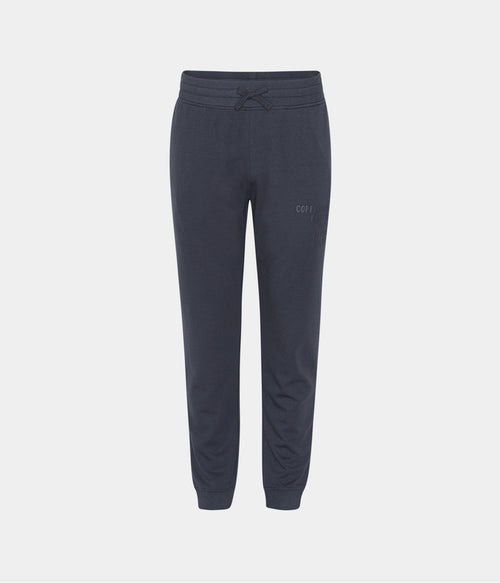
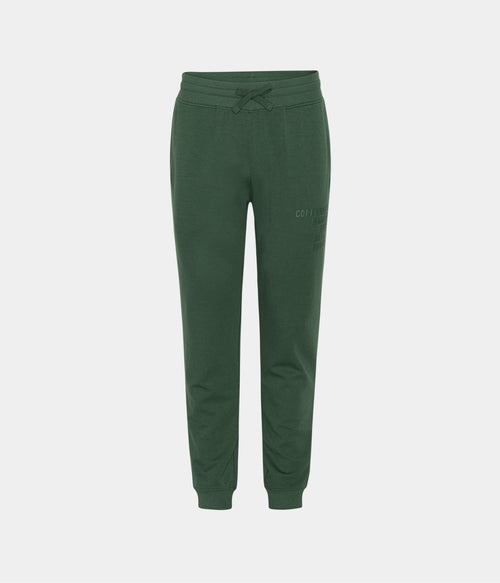
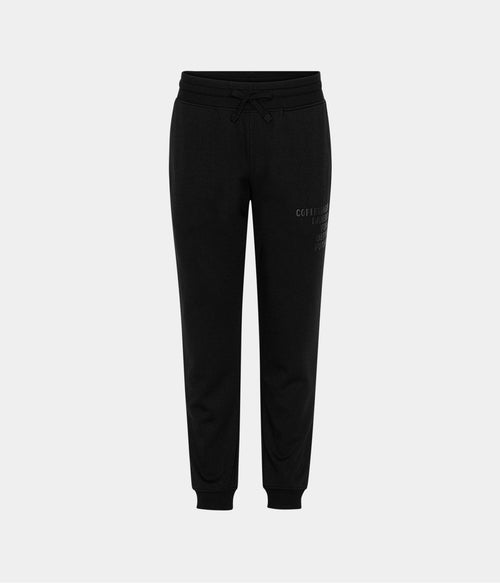
If your chest and waist fall in different sizes, go with the largest. A little extra room in one place is easier to live with than a piece that is tight in another. Extra room can often be handled with a belt or hidden in the cut, while a piece that is too small rarely becomes comfortable. See bamboo sweatpants for women.
When you are still unsure
If you are still unsure after the three steps, read the fit description. If it says the cut is close, one size up can feel calmer. If it says the cut is loose, your usual size often fits best. When you find a size that fits well, note it next to your measurements. That makes the next purchase even easier.
Frequently asked questions
How do you use your measurements
Look the numbers up in the shop's own size guide, read the fabric composition and choose by the largest of your measurements. It takes about a minute.
Why look it up in every shop
Because sizes are not the same from shop to shop. A medium in one shop can match a large in another.
What if your measurements point to different sizes
Go with the largest. A little extra room in one place is easier to live with than a piece that is tight in another.