How yarn becomes fabric
Sep 20, 2026
Short answer: Yarn can either be knitted into loops or woven in two directions. Knit gives stretch, weaving gives stability, and the choice between them decides how a garment feels and sits on the body.
Knit is loops hanging in each other
In a knitted fabric each loop catches the next, so the whole surface can stretch in every direction. Pull the fabric and the loops slide a little; let go and they return. That is why bamboo socks for women can adapt to the foot and sit close all day without squeezing.
Weaving is two sets of crossing threads
A woven fabric has threads running lengthwise and crosswise, passing over and under each other. Because the threads lie straight, the fabric barely stretches. That gives a firm, stable surface that holds its shape well. This is why weaving is rarely used for close fitting basics like bamboo panties, where fabric must follow the body.
Why basics are almost always knitted
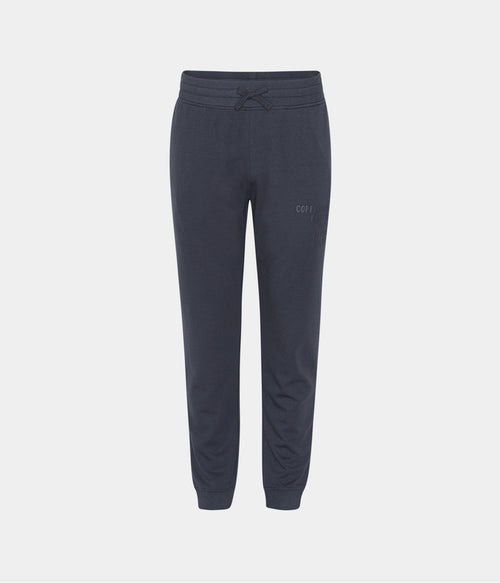
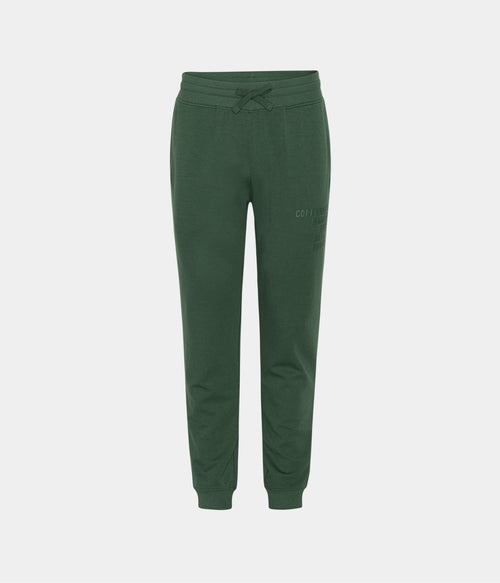
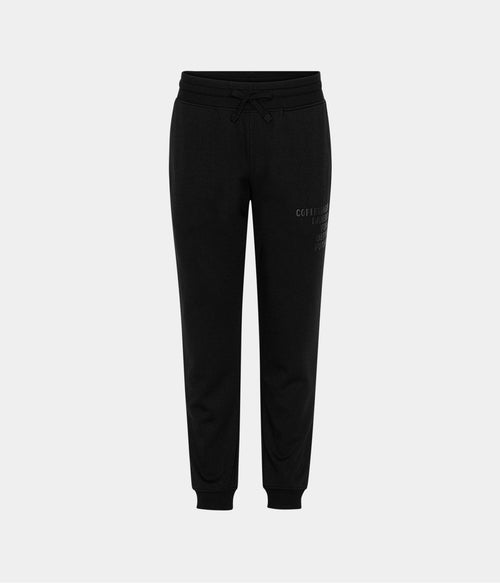
Clothing that sits close and follows the body must give when you move. Knit can do that; woven fabric cannot. Knit can also be pulled over head and hips without zips or buttons. The same goes for bamboo sweatpants for women, where a soft knit gives freedom of movement in everyday life.
The machines behind the knit
Knit is made on machines with hundreds of small needles, each forming a loop. Some machines knit flat pieces; others knit in a circle and make a tube. The machine's gauge decides how tightly the loops sit, and so how thick and soft the fabric becomes. Tight loops give a smoother fabric, looser loops an airier one.
How to tell them apart
You can see the difference with the naked eye. Knit has small V shaped loops on the face and arcs on the back. Woven fabric shows a fine grid where threads cross at right angles. Gently pull the fabric on the diagonal: knit gives in every direction, while woven fabric gives only a little on the bias.
What it means for fit
Because knit stretches, it can sit close without feeling tight. That makes sizing more forgiving, since the fabric adapts. Woven clothing must fit more precisely because it does not give. For underwear and loungewear, knit is the natural choice, while woven fabric suits shirts and trousers that keep a fixed shape.
Caring for knitted clothes
Knit should be treated so the loops keep their shape. Wash at a low temperature, avoid wringing hard and dry flat where possible. Hang a wet, heavy knit and it can stretch out of shape. With these simple habits, knitted clothes keep both their form and softness for longer.
The choice starts with the yarn
Whether a yarn will be knitted or woven already affects how it is spun. Yarn for knitting is often softer twisted, so the loops stay supple. Yarn for weaving is often firmer, so it can hold tension on the loom. When you touch a garment, you feel the result of many small choices along the way.
Frequently asked questions
Can you tell the difference with the naked eye
Yes, knit has visible loops on the back and woven fabric has a grid. In good light the difference is easy to spot.
Which fabric holds its shape best
Woven, but it cannot follow the body in the same way. Knit holds its shape well enough for basics if it is washed and dried gently.
Does knit unravel more easily
Yes, an open loop can run, while woven fabric only frays at the edge. That is why seams and edges on knit are always closed securely.