Light colours in winter
Sep 12, 2026
Short answer: Light colours in winter are not about warmth but about light. With six hours of daylight, light clothing makes a noticeable difference to how you feel. The downside is that winter grime shows more clearly.
Colour means nothing for warmth
Without sun there is no difference between light and dark clothing. Colour only affects how much solar radiation the fabric absorbs, and in winter there is very little of it. What keeps you warm is layers, fabric thickness and fit. So you can choose colour freely. See bamboo boxers.
But it matters for light
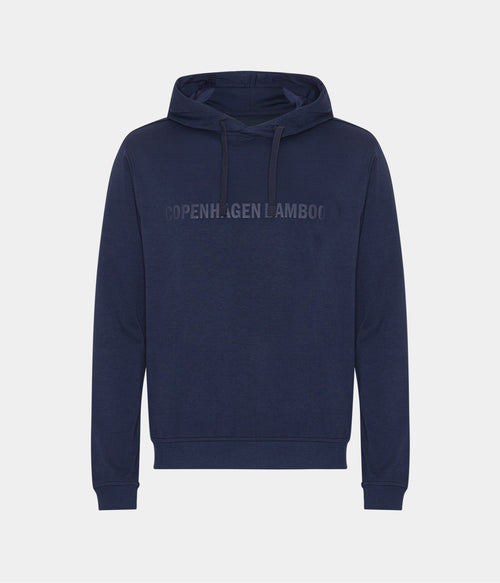
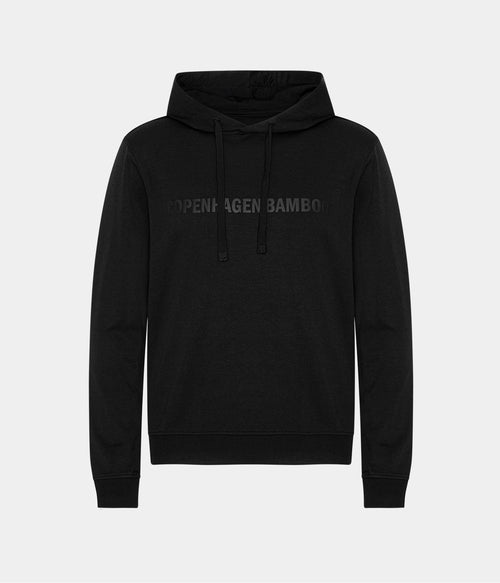
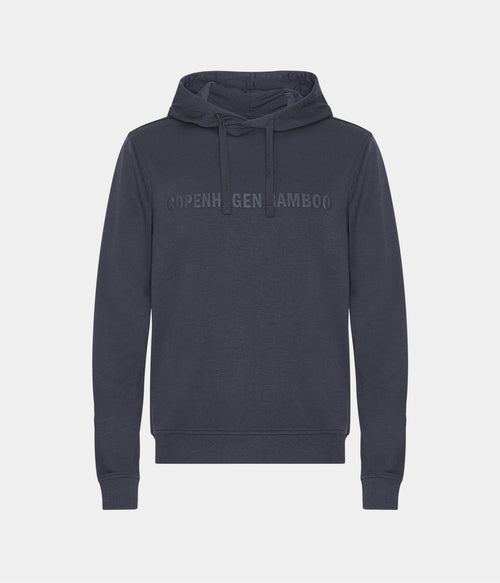
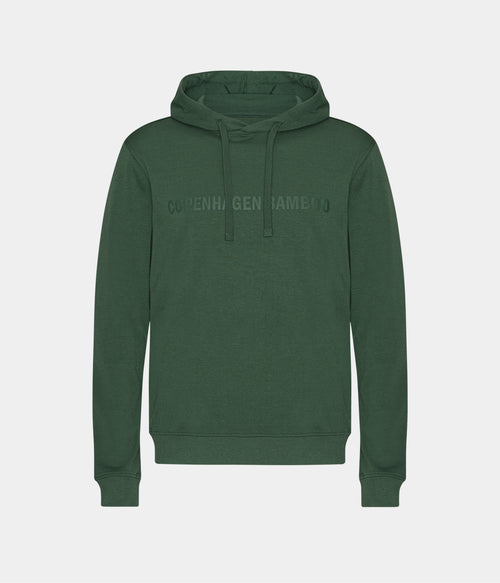
In a dark month a light colour makes a difference you can feel. When days are short and skies are grey, a light jumper or hoodie can give a sense of brightness that dark clothing does not. It is a small thing, but it repeats every time you look in the mirror. See bamboo hoodies for men.
Light colours show in the dark
In winter many people travel to and from work in the dark. Light clothing is easier for drivers and cyclists to see than black and navy. It does not replace a reflector, but a light outer layer makes you more visible under street lights and at dusk. That is a practical reason to choose light.
Light needs washing more often
Winter mud and slush show more clearly on light clothing. Splashes from wet roads, salt from the pavement and mud from a walk quickly leave marks. So light clothing needs washing more often in winter. Wash it at the temperature on the care label, with other light colours. See the full range for men.
Light inside, dark outside
A good solution is to combine. Wear light colours indoors and as a mid layer, and use a darker outer layer when you head out into the weather. You get the light from the pale colours, while the dark layer takes the grime. When you take off your jacket indoors, the light colour remains.
Layers keep you warm
If you want to stay warm in winter, layers are the way. A soft base layer close to the skin, a mid layer that holds warmth, and an outer layer against wind and weather. The colour of each layer is free, because warmth comes from the build up, not the colour.
Grey and beige are a good compromise
If white feels too delicate for winter, light grey, beige and other pale mid tones are a good choice. They give some of the same lightness as white but do not show every mark at once. That makes them easier to wear every day, even on days of rain and slush.
Choose what feels right
There is no rule that winter clothing must be dark. Colour does not affect warmth, so the choice is about what you want to see in the dark months and how often you want to wash. If the winter darkness weighs heavily on you, talk to your doctor about it.
Frequently asked questions
Are light colours colder in winter
No. Without sun there is no measurable difference between light and dark clothing in the winter months. Warmth comes from layers and fabric thickness.
Why choose light colours in winter
For the sake of light. In a month with six hours of daylight, a light colour makes a noticeable difference, and light clothing is also easier to see in the dark.
What is the downside
Washing. Winter mud, slush and salt show more clearly on light clothing, so it needs a trip through the machine more often than dark colours.