Natural fibres and regenerated fibres, the difference
Sep 12, 2026
Short answer: Natural fibres are spun directly from a plant or animal. Regenerated fibres are made by dissolving plant cellulose and spinning it out again as a new thread. Both come from nature, but the route from raw material to yarn differs, and you can feel it in the finished fabric.
Natural fibres come as they are
Cotton, linen and wool are harvested or shorn and spun without the fibres being dissolved along the way. The shape of the fibre stays the same from field to yarn. It is cleaned, combed and twisted, but not rebuilt. That is why natural fibres vary a little in length and thickness, see bamboo hoodie for women.
Regenerated fibres are rebuilt
Bamboo viscose, modal and lyocell start as plant pulp that is dissolved and pressed out as long, even threads. The raw material is a plant, but the fibre itself is made anew. This gives a smoother yarn without the small irregularities of natural fibres. You feel it most in clothes close to the skin, see bamboo sweatshirt for women.
Regenerated is not the same as synthetic
A common misunderstanding is that regenerated fibres are synthetic. Synthetic fibres such as polyester are made from oil. Regenerated fibres are made from plant cellulose. The process is technical, but the raw material is the same kind of substance found in cotton and linen. That is why bamboo viscose shares many qualities with plant fibres.
Why it matters for your clothes
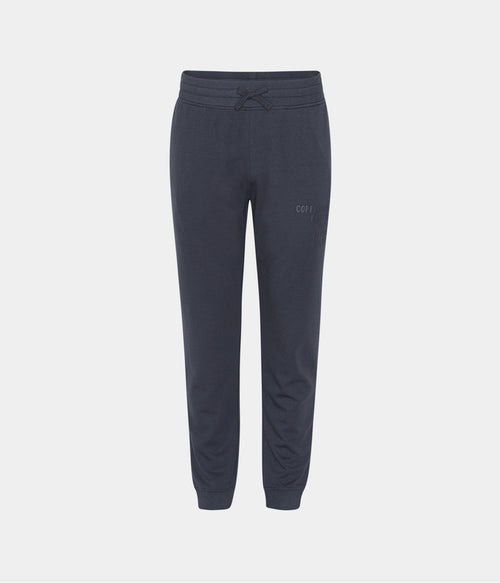
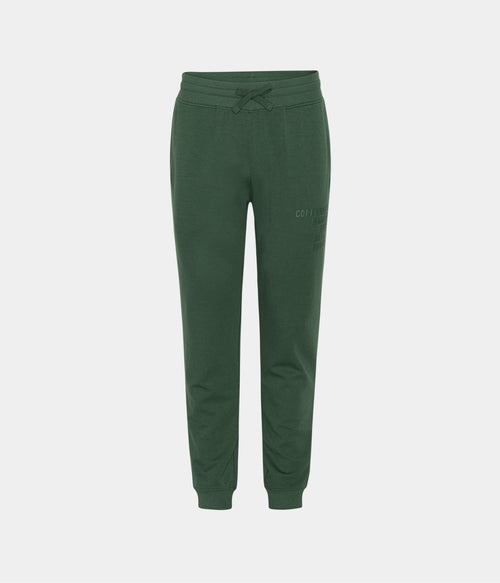
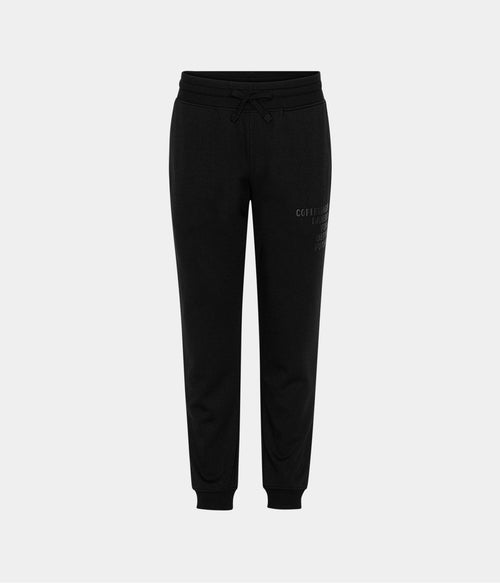
Even threads give a softer and more regular fabric, while natural fibres bring more character and variation. A fabric of regenerated fibres often drapes softer and feels smoother. Natural fibres can have more texture. For trousers you relax in, softness usually matters most, see bamboo sweatpants for women.
Drape and surface
Because regenerated threads are long and even, they lie closely in the yarn. This gives a fabric with a soft drape and a smooth surface that does not pill as easily. Natural fibres have more short fibre ends that stick out a little and make the surface more matt and rough. Neither is wrong, they simply feel different.
How to feel the difference
Hold a garment and let it fall. A fabric of regenerated fibres often glides more and settles softly. Run your hand over the surface. If it is smooth and even, that points to a regenerated fibre. If it has more texture and small irregularities, it is usually a natural fibre. The care label gives the certain answer.
Washing and care
Regenerated fibres benefit from gentle washing, ideally inside out and without a high spin. They are most vulnerable while wet. Cotton often handles more heat, while wool needs careful handling. Avoid the tumble dryer on high heat for most fabrics, and dry your clothes on a hanger or flat so they keep their shape.
What should you choose
There is no single right answer. If you want soft clothes with a calm drape for everyday life, regenerated fibres such as bamboo viscose suit you well. If you want texture, a lively look or a fabric that changes over time, natural fibres may be right. Many keep both and choose by the day.
Frequently asked questions
Is a regenerated fibre synthetic
No. The raw material is a plant, but the fibre is rebuilt along the way. Synthetic fibres such as polyester are made from oil and have an entirely different origin.
What is the advantage of a regenerated fibre
The thread becomes even and smooth, which gives a softer fabric than most natural fibres can offer. The fabric also drapes calmly and follows the body.
Are natural fibres better than regenerated ones
Not in themselves. Each has its own qualities. Natural fibres give texture and character, regenerated fibres give softness and a smooth drape, so the choice depends on use.