How bamboo becomes yarn
Sep 12, 2026
Short answer: Bamboo is harvested, chipped and cooked into a pulp. The pulp is dissolved, pressed through fine holes and turned into long threads, which are spun into yarn. It is the same basic process as for other viscose fibres, and it explains why the fabric becomes so smooth and soft.
From stalk to pulp
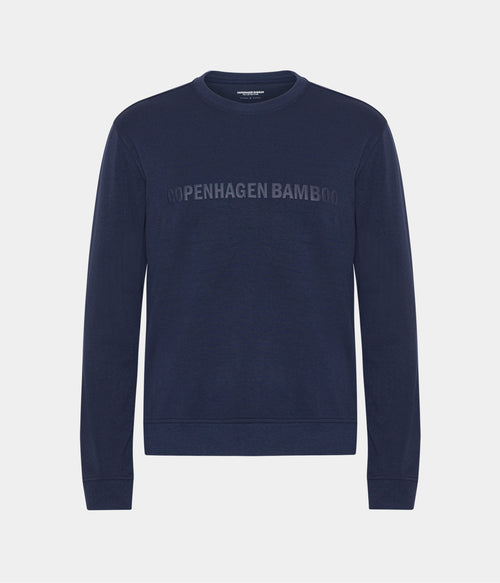
The bamboo stalks are chipped into small pieces and cooked until the cellulose is separated from the rest of the plant. Cellulose gives the plant its structure, and it is what later becomes thread. It is the same basic principle as other viscose fibres, where a plant is broken down before being rebuilt, see bamboo sweatshirt for women.
The pulp is dissolved
Once the cellulose is separated, it is dissolved into a thick, even mass. Here the plant's original fibre shape disappears completely. That is exactly what makes bamboo viscose a regenerated fibre. The raw material stays the same, but it takes on a new form. This sets it apart from natural fibres like cotton and linen.
From pulp to thread
The mass is pressed through a nozzle with thousands of tiny holes and sets into long, even filaments. Each hole gives a thin thread, and because the holes are round and alike, the threads are smooth and free of knots. You find this smooth thread in everything from bamboo sweat clothes to thin tops.
Why the thread is so smooth
A natural fibre has small irregularities and short ends that stick out. A regenerated thread is pressed out in one long, even form. There are no knots and little variation in thickness. When many such threads lie close together in a yarn, the surface becomes smooth and cool to the touch, and the fabric pills less.
From thread to yarn
The long filaments are cut or gathered and spun into yarn. The yarn can be thin or thick, depending on what the fabric is for. A thin yarn gives a light, smooth fabric for tops and underwear. A thicker yarn gives a soft, full fabric for sweatshirts and trousers that keep you a little warmer.
From yarn to fabric
The yarn is then knitted into jersey, rib or interlock. Jersey is smooth on one side and is used for T-shirts and tops. Rib has vertical ridges and more stretch, which suits cuffs and close fitting pieces. Interlock is double knitted and a little thicker. See different knits in all clothing for women.
How long it takes
From harvested stalk to finished yarn typically takes a few days, depending on the factory setup and the fineness of the thread. After that come knitting, dyeing and sewing, which also take time. The full journey from plant to finished garment is longer than many think, and each step shapes how the fabric feels.
What the process means for you
The process is why bamboo viscose feels smooth, soft and cool against the skin. The even threads give a fabric with a calm drape that follows the body. It also means the fabric benefits from gentle washing, as the fibres are most vulnerable while wet. Wash on a delicate programme and dry on a hanger.
Frequently asked questions
How long does the process take
From harvested stalk to finished yarn typically takes a few days, depending on the factory setup and the fineness of the thread. Knitting and sewing come on top.
Why is the thread so smooth
Because it is pressed out through a round hole and sets in one long, even form without knots or variation. That gives a smooth, cool surface.
Can you tell from the fabric how it was made
Not with the naked eye. But a smooth, even fabric without fluff usually points to a regenerated fibre. The care label gives you the certain answer.