Price per wear, what is cheapest
Sep 12, 2026
Short answer: Divide the price by the number of times you wear a garment. A more expensive piece worn every week for three years costs less per wear than a cheap one that lasts six months. It is a simple sum, but it changes the way you look at price.
The sum
Take a T-shirt costing two hundred Danish kroner that you wear every week for three years. That comes to about one hundred and fifty wears, and the price per wear lands under one and a half kroner. A cheap piece thrown out after six months is worn far fewer times and costs more per wear. See the most popular men's styles.
The hidden cost of cheap clothes
Cheap clothes look cheap on the receipt, but they need replacing more often. When a T-shirt loses its shape after a few washes, or a waistband gives up, you buy a new one. Over a few years you can end up paying more for several cheap pieces than for one that lasted. That part of the price is not on the label.
What decides how often you wear it
Fit and comfort decide whether clothes get worn. A piece that does not sit right stays in the wardrobe, whatever it cost. A piece you enjoy wearing comes out again and again. Look at the fits in all women's clothing and choose what suits your body and your everyday life.
Buy for the life you have
It is tempting to buy for the life you would like to have, but price per wear rewards what you actually do. If you mostly wear soft, relaxed clothes, those are the pieces that give the most value. Look in your wardrobe and see what you reach for every week. That is where your money is best spent.
Washing and rotation
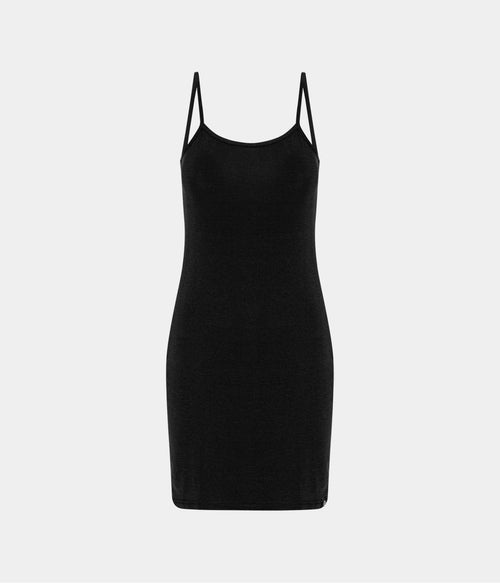
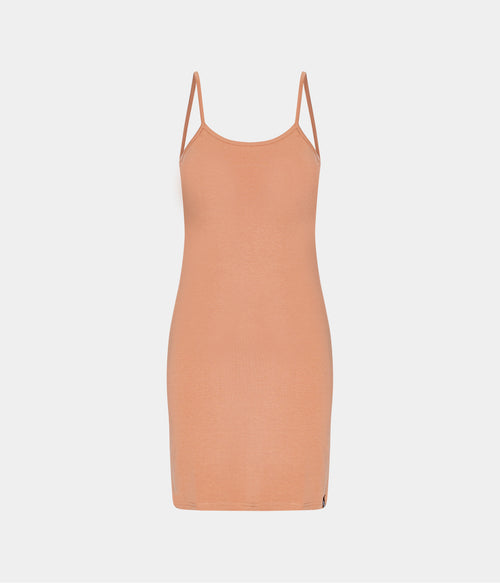
Several pieces in rotation each wear more slowly, because each one gets a rest between washes. If you have only one slip, it is washed every time you wear it and wears out quickly. A 3 pack of bamboo slips therefore gives a lower price per wear than a single piece, as the wear is shared.
Care brings the price down
The cheapest way to lower the price per wear is to make clothes last longer. Wash at 40 degrees, skip the tumble dryer and let clothes air dry. It costs nothing extra, but it extends the lifespan noticeably. The more times you can wear a piece before it needs replacing, the lower the price per wear.
How to work it out yourself
You do not need the exact figure. Guess how many weeks you will wear a piece and multiply by how many times a week you put it on. Then divide the price by the result. It gives a rough picture, but that is enough to compare two pieces and see which is really cheaper over time.
When expensive is not cheapest
An expensive piece is not automatically cheapest in the long run. It is only cheaper if it lasts longer and actually gets worn. An expensive piece hanging unworn in the wardrobe has the highest price per wear of all. So the most important question before buying is not what it costs, but how often you will wear it.
Frequently asked questions
Is expensive always cheapest in the long run
Not automatically. It is only cheaper if it lasts longer and gets worn. An expensive piece that stays in the wardrobe is the most expensive of all.
How do I work it out
Price divided by the number of wears. Guess the number of weeks and multiply by how often you wear it each week, and you have a useful figure to compare.
What matters most for price per wear
That the clothes get worn. An unworn piece has no value whatever it cost, so choose clothes that fit and feel good first of all.