Drying time compared
Sep 12, 2026
Short answer: Polyester dries fastest, followed by linen and bamboo viscose, and finally cotton and wool. In practice, though, the thickness of the fabric matters more than the fibre, and where and how the clothes hang can make an even bigger difference.
The role of the fibre
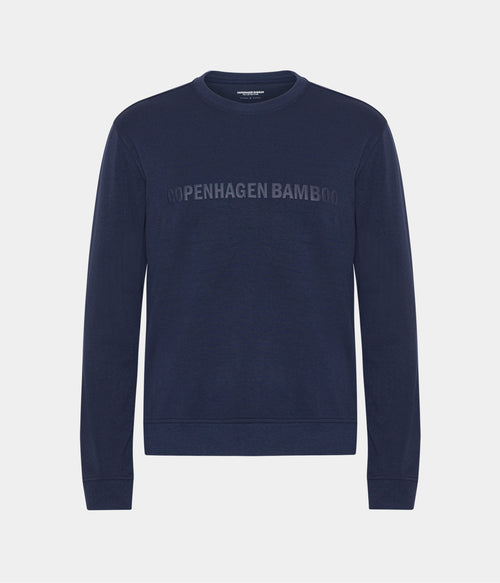
Synthetic fibres such as polyester absorb almost no moisture. The water sits on the outside of the fibre and evaporates quickly, so the fabric dries in a short time. Cellulose fibres such as cotton and bamboo viscose take moisture into the fibre itself, and it takes longer to get out, as you notice on a bamboo sweatshirt for men.
Why cellulose holds water
Cellulose fibres are built to absorb moisture, which is exactly why they feel pleasant against the skin. The same property means they take longer to dry after washing. It is not a flaw in the fabric, but the other side of the comfort you feel when you wear it on a warm day.
Thickness matters most
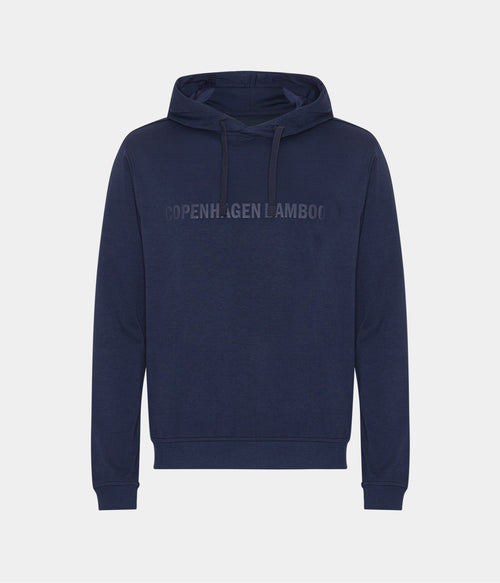
When comparing drying times, the thickness of the fabric matters more than the fibre. A thin cotton T-shirt dries faster than a thick synthetic hoodie. So only compare fabrics of the same weight if you want to know which fibre dries fastest. See the thicker qualities in bamboo sweat for men and women.
Seams and double layers
Even on a thin garment, some spots dry more slowly. Seams, waistbands, pockets and double layers hold moisture longer than the rest of the fabric. That is why a sweatshirt can feel dry on the sleeves but still damp at the ribbed hem. Check the thickest spots before you fold your clothes and put them away.
The surroundings do the rest
A draught and low humidity can halve the drying time. A garment hanging freely with air all around dries twice as fast as one lying crumpled on a rack. So hang clothes with space between them, ideally in a room where the air moves. This also applies to all women's clothing.
Spinning helps
The more water the machine removes, the less has to evaporate afterwards. A spin at eight hundred revolutions removes a good share of the water without being too harsh on the fabric. Higher speeds can cause more creases and more wear. Take the clothes out as soon as the programme finishes.
Skip the tumble dryer
It is tempting to use a tumble dryer to save time, but the heat wears both fabric and elastic. Bamboo clothing does best when air dried. Plan your washing so the clothes can hang overnight instead. By morning most thin pieces are dry, and the thicker ones may need a few more hours.
Drying indoors in winter
In winter clothes dry more slowly, because the outdoor air is damp and cold. Indoors you can help by hanging clothes in a well aired room and opening a window a few times a day. A fan can also speed things up. Avoid laying clothes directly on a hot radiator, as it can damage the fibres.
Frequently asked questions
How long does a bamboo T-shirt take
Four to eight hours indoors, faster in a draught or under air conditioning. Thicker pieces such as sweatshirts take longer, especially at seams and waistbands.
Does bamboo dry faster than cotton
Slightly faster at the same weight, but the difference is smaller than many think. Thickness and surroundings matter more than the choice between the two fibres.
Can you speed up drying
Yes. Spin harder at eight hundred revolutions and hang the clothes freely with air all around. A draught and low humidity do the rest.