Summer nights that do not cool down
Sep 12, 2026
Short answer: When the night stays above twenty degrees, sleep becomes hard for many people. The body needs to lower its temperature to fall asleep, and warm air makes that slower. A thin layer, cool feet and a calm bedroom help.
The body needs to cool down to sleep
Body temperature drops naturally in the hours before sleep. It is one of the signals that it is time to rest. When the bedroom air is warm, that process slows down and you lie awake longer. Warm nights are mostly about helping the body shed heat. For the evening, see bamboo sweatpants for men.
A thin layer is better than nothing
Many people think sleeping with nothing on is the coolest option. But bare skin against a sheet quickly turns damp, and the sheet starts to cling and feel warmer. A thin layer that absorbs moisture keeps the skin drier through the night. Choose something loose. See bamboo T-shirts for men.
The feet are the body's thermostat
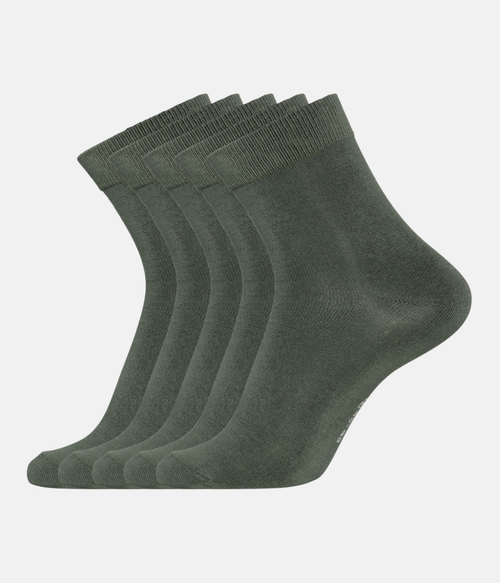
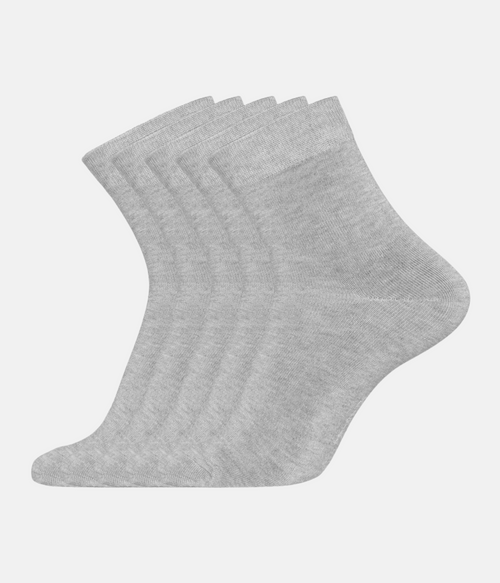
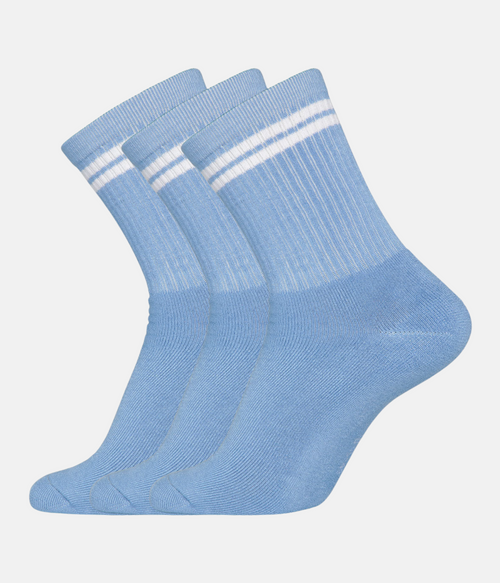
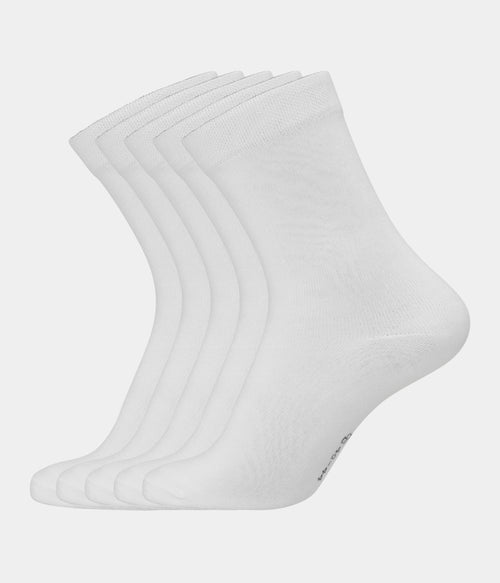
The feet have many blood vessels close to the surface and play a big part in how the body releases heat. Let them stick out from under the duvet and your temperature drops noticeably. Some prefer bare feet, others thin socks they take off once asleep. See socks for men.
Air out at the right times
The coolest part of the day is usually early morning. Open the windows then and again late in the evening, and keep windows and curtains closed while the sun is on them. That way the room holds on to cooler air longer. A fan that moves air over the bed also helps, even though it does not lower the temperature.
Swap the duvet for something lighter
A winter duvet is too much on a tropical night. A thin sheet or a summer duvet lets you cover up a little without trapping heat. Many people wake around four, when the air finally cools, and it is nice to have something light to pull over. Keep it at the foot of the bed.
The hour before bed
What you do in the last hour affects the night. A lukewarm shower, not a cold one, helps the body give off heat afterwards. Avoid heavy meals late in the evening and put on something light and loose. Tight clothes hold heat, while loose fabric lets air reach the skin.
Wash bedding and sleepwear more often
In warm spells most people sweat more at night, often without noticing. Sheets and sleepwear turn damp and heavy faster as a result. Wash them more often than usual, ideally at a low temperature with a mild detergent, so the fabric stays soft. Let everything dry fully before you use it again.
When sleep will not come
Some nights nothing helps, and that is normal during a heatwave. Get up, drink a glass of water and sit somewhere cool for a while instead of lying there fighting it. That way the bed is not linked with restlessness. If you sleep poorly for a long time, also outside hot spells, talk to your doctor.
Frequently asked questions
Why is it hard to sleep on warm nights
Because the body has to lower its temperature to fall asleep, and that is difficult when the air is above twenty degrees. Sleep becomes lighter and more restless.
Is it better to sleep with nothing on
Not necessarily. A thin layer that absorbs moisture keeps the skin drier than bare skin against a damp sheet, and many people lie more still that way.
What helps the most
Cooling the feet. They have many blood vessels close to the surface and affect the temperature of the whole body, so let them stick out from under the duvet.