Sweat for layering
Sep 12, 2026
Short answer: Sweat is the middle layer. Underneath goes a thin layer that moves moisture away from the skin, and on top a layer that keeps wind and rain out when you are outdoors. Together, the three layers can be adjusted to the weather through the day.
Three layers, three jobs
The idea behind layering is simple. Each layer does one job well, instead of one thick garment trying to do everything. The inner layer handles moisture, the middle keeps you warm and the outer keeps the weather out. Once you know the jobs, it is easier to decide what to put on and take off.
The inner layer moves moisture
The inner layer sits right against the skin. A thin T-shirt or undershirt in bamboo viscose absorbs moisture and keeps the skin dry, even when you walk fast or carry bags. Dry skin feels warmer, because moisture draws heat from the body. Choose a layer that fits close without feeling tight.
Sweat insulates in the middle
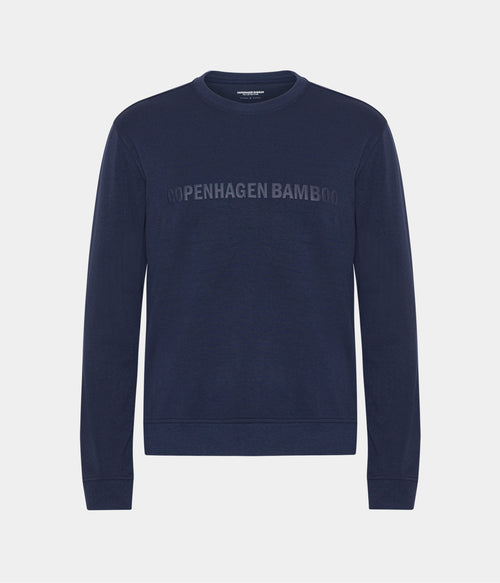
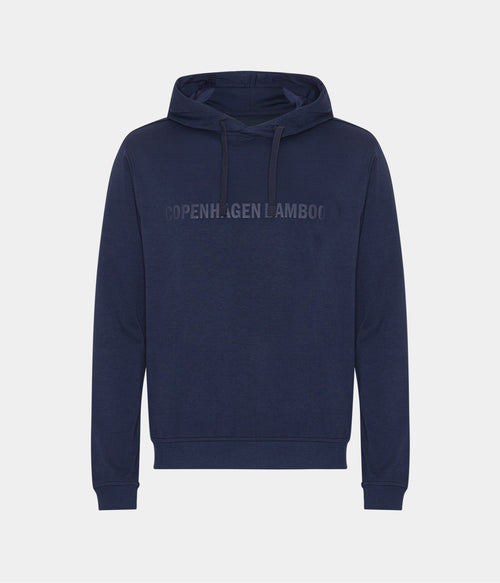
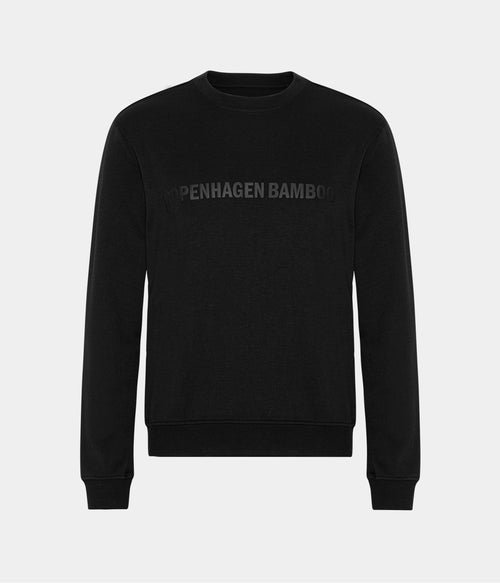
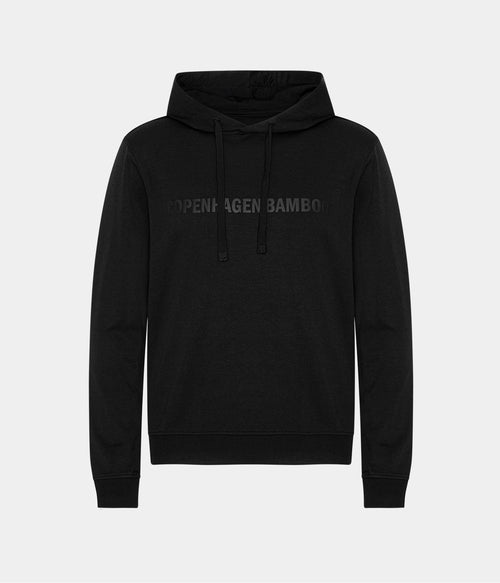
Sweat fabric is the middle layer. It holds a layer of air close to the body, and that air is what keeps you warm. That makes sweat right for cool days that are not cold enough for a heavy jacket. It is also the layer you take off indoors. See bamboo sweat for men and women.
The outer layer keeps the weather out
Sweat is not windproof. A cold wind goes straight through the fabric and takes the warmth with it. If you are heading out in wind or rain, you need an outer layer that keeps the weather out and the warmth in. That layer is not part of bamboo sweatshirt men, but the sweatshirt works well underneath.
Layering works for legs too
Many people only think of layers on the upper body, but legs feel the cold as well. Sweatpants over thin long underwear follow the same principle. At home and for short trips, sweatpants alone are often enough. On cold days, windproof trousers on top keep the wind out. See bamboo sweatpants men.
Two thin layers beat one thick
Two thin layers are more flexible than one thick one. When it warms up, you take one off and keep the other on. With a single heavy jumper, you can only choose between sweating and feeling cold. Thin layers also take up less room in a bag and dry faster after washing.
Fit of the middle layer
Sweat meant for layering can fit a little loose. That leaves room for a T-shirt underneath without pulling across the shoulders or under the arms. At the same time, it should not be so roomy that the outer layer will not close over it. Try the sweatshirt on with the layer you normally wear beneath it.
When you come indoors
The practical thing about layering is that you can adjust to the room. Take the outer layer off at the door and keep the sweat on if it is cool. If it is warm, take the sweat off too. That way you are not sitting and sweating in clothes meant for the weather outside.
Frequently asked questions
Can sweat be worn as an outer layer
Indoors and in mild, still weather, yes. In wind, the cold goes through the fabric, and an outer layer on top is the better choice.
How thick should the middle layer be
That depends on the temperature. Two thin layers are more flexible than one thick one, because you can remove one as the day gets warmer.
Should sweat fit loosely
A little loose, so a layer fits underneath without pulling. It should not be so roomy that the outer layer will not close over it.