The sock has gone thin at the heel
Sep 20, 2026
Short answer: The heel wears fastest because it carries the weight and rubs against the shoe with every step. Rotating between several pairs is the simplest way to extend their life. Look inside the shoe before you blame the sock.
The heel does the most work
With every step the heel is pressed against the insole with your full body weight, and the fabric is rubbed back and forth. No other part of the sock takes the same load. That goes for all socks, also socks for women. A thin heel is therefore not a fault but a sign that the sock has been used.
The inside of the shoe sets the pace
A rough insole or a hard seam in the shoe wears faster than a smooth one. The sock rubs on exactly that spot with every step. Look in the shoe before you blame the sock, as you would check the fit of a bamboo bra before judging the fabric. Often the explanation lies in the shoe and not in the knit.
The surface plays a part
If you walk on hard ground all day, the heel takes more pressure than on soft ground. The same goes if you stand and walk a lot. Shoes that slip up and down at the heel rub extra. These are things you can feel in daily life and allow for without changing the sock. See where it rubs, and fix it.
How to get more steps out of them
Rotate between at least five pairs so each pair rests, and wash at thirty degrees without the tumble dryer. Rotation spreads the wear over several socks, so none is worn every day. If you wash them cold and air dry them, you also spare the knit. It is the simplest way to extend their life and costs nothing.
The same principle for other pieces
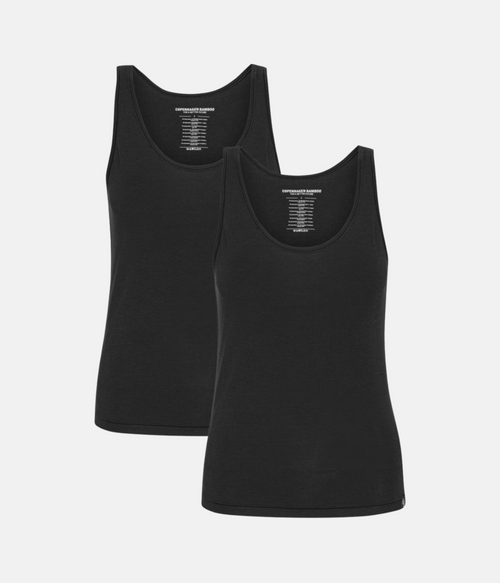
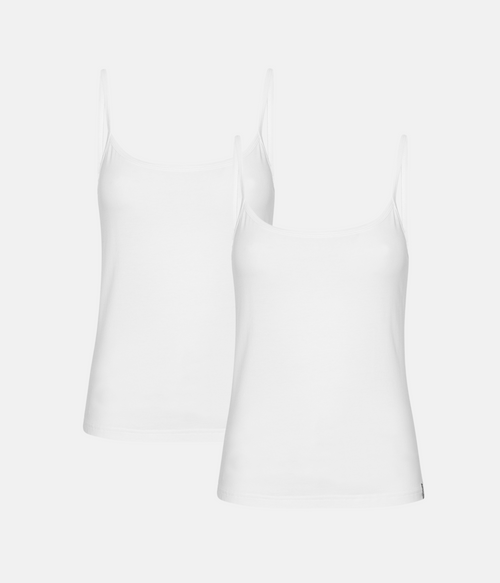
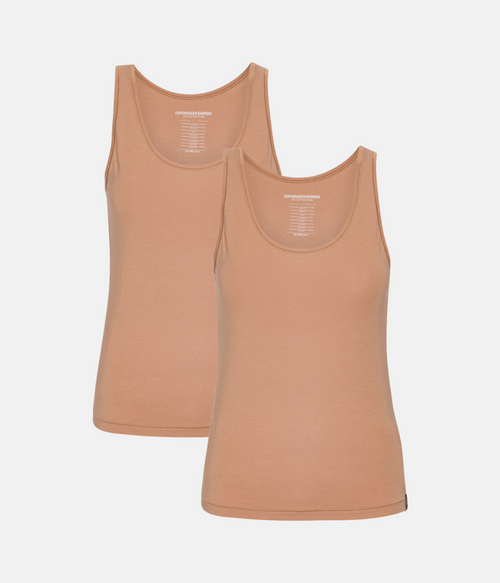
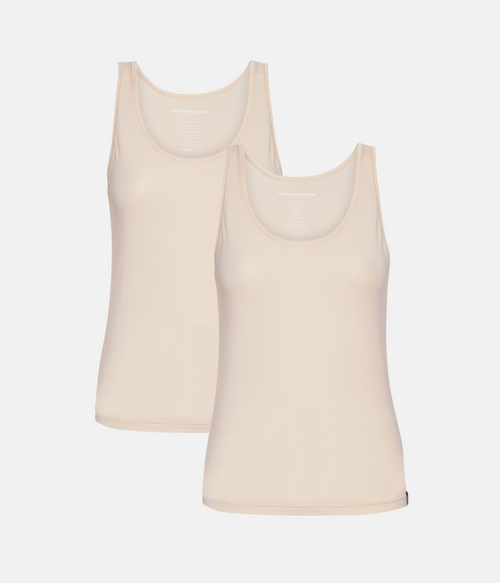
Rotation does not only work for socks. The same principle applies to women's bamboo tops, where the garment gets time to rest between wears. When the fabric is not worn every day, it can recover its shape. If you have several of the pieces you wear most, they last longer than if you wear the same one again and again.
Can a thin heel be stopped
Yes, a net of stitches from the inside lasts many months. Use thread that matches the sock and sew the stitches close over the thin spot before a hole appears. If you do it early, the knit holds together longer. If the hole is already there, you can still sew, but it is harder to get a neat result.
How many steps does a sock last
With daily use, typically half a year to a year, depending on shoes and surface. That is a range, not a promise, because how you walk and what you walk in matter a lot. With several pairs the use is spread out, so each pair lasts longer on the calendar.
Does bamboo viscose wear faster than cotton
No, the difference lies in how dense the knit is and in the shoe. A dense knit withstands more rubbing than a loose one, and a smooth shoe wears less than a rough one. That is why two socks in the same material can wear very differently. Look at the knit and the shoe rather than blaming the material.
Frequently asked questions
Can a thin heel be stopped
Yes, a net of stitches from the inside lasts many months. Do it early, before a hole appears, and use thread in the same colour as the sock.
How many steps does a sock last
With daily use, typically half a year to a year, depending on shoes and surface. With several pairs the use is spread out, so each pair lasts longer.
Does bamboo viscose wear faster than cotton
No, the difference lies in how dense the knit is and in the shoe. A dense knit withstands more rubbing than a loose one, and a smooth shoe wears less than a rough one.