The switch from winter to spring
Sep 12, 2026
Short answer: The switch does not happen in one day. It takes two to three weeks, during which you take off one layer at a time and the mornings are still winter. Start with the thickest layer, and keep your socks and innermost layer the longest.
Take off one layer at a time
Do not change your whole wardrobe at once. Remove the thickest layer first and see how it feels for a few days before taking off the next. That way your clothes follow the weather rather than the calendar, and you avoid feeling cold on the first chilly morning after a mild weekend. See bamboo sweatwear.
Mornings change last
Midday turns mild weeks before the morning does. Many people dress for the afternoon and feel cold on the way out of the door. Instead, dress for the morning and take off a layer when it warms up. Mornings are also when your feet feel the cold most, so keep the warm socks on. See bamboo socks.
Keep your socks the longest
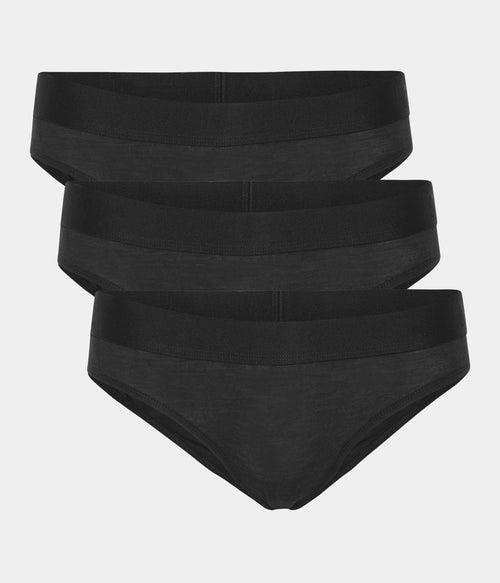
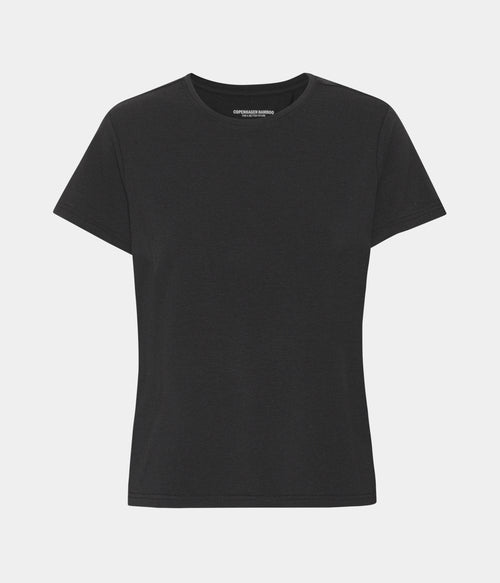
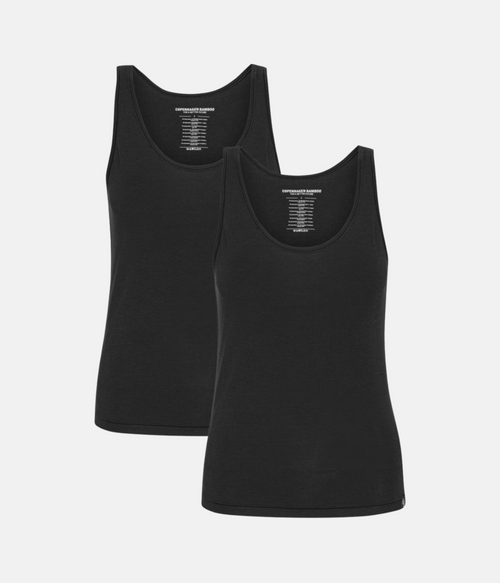
The ground stays cold long after the air has turned mild. Pavements, paths and grass hold on to the winter chill, and you feel it through your shoes. Your feet should therefore be the last to switch to spring. The same goes for the innermost layer, which keeps your body evenly warm. See the women's range.
The thickest layer first
The warm winter jumper or the thick sweatshirt is the first thing you can put away. It is the layer that makes the biggest difference, and it is also the one you most often get too warm in when the sun comes out. Replace it with a thinner one for a while, so you still have something if the weather turns.
Layers you can carry
Spring weather changes quickly, and a sunny morning can become a cold, windy afternoon. A light layer in your bag lets you adapt without going home first. Choose something that takes up little room and is easy to pull over your head, so you actually bring it along.
Damp in the transition
Spring is often wet, and showers arrive without warning. When your clothes get damp, a mild day quickly feels cold. An inner layer that lets moisture out makes a difference, and a dry layer to change into is welcome when you come inside. Let wet shoes dry fully before wearing them again.
Putting winter layers away
Once you are sure winter is over, the thick layers can be washed and stored. Wash them before packing them away so dirt and sweat do not sit in them all summer. Let them dry completely and store them somewhere dry and airy, so they are ready again when autumn arrives.
Washing and care
Wash at a moderate temperature and let your clothes air dry, so they keep their shape and softness. In spring, laundry can dry outside again on good days, which is an advantage. Socks that have been damp should be washed before you wear them again, even if they look clean.
Frequently asked questions
When should you switch to spring clothes
Gradually over two to three weeks. Take off the thickest layer first and keep the innermost one longest, so you follow the weather rather than the calendar.
What is the most common mistake
Changing your whole wardrobe in one day because midday was mild. The morning is still winter, and that is when you feel the cold if you have packed too much away.
What should you keep the longest
Your socks and the innermost layer. The ground stays cold for weeks after the air turns mild, and your feet notice it long after the rest of your body has forgotten winter.