Clothes in November
Sep 12, 2026
Short answer: November is dark, wet and windy without being truly cold. The combination of damp and wind makes it feel colder than the numbers suggest. An inner layer that moves moisture, an insulating mid layer and an outer layer against the wind is the most reliable setup.
Damp plus wind
Five degrees with wind and rain feels colder than frost in still weather. The wind strips away the warm air close to your body, and damp clothing draws heat away. That is why November is less about thick layers and more about staying dry and sheltered. A soft layer to change into at home helps too. See bamboo sweatpants for women.
Darkness all day
In November there are about six hours of daylight, and the rest is dark. Many people leave home in the dark and return in the dark, and most of the day is spent indoors. That makes the inner layer the one you live in most. Choose something that feels comfortable from morning to evening. See bamboo T-shirts for women.
Everything gets damp
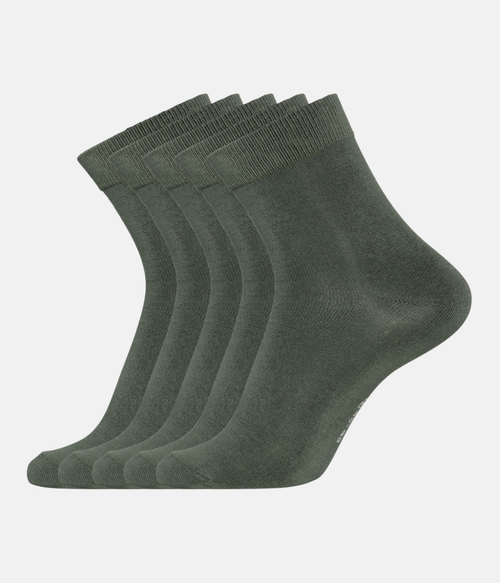
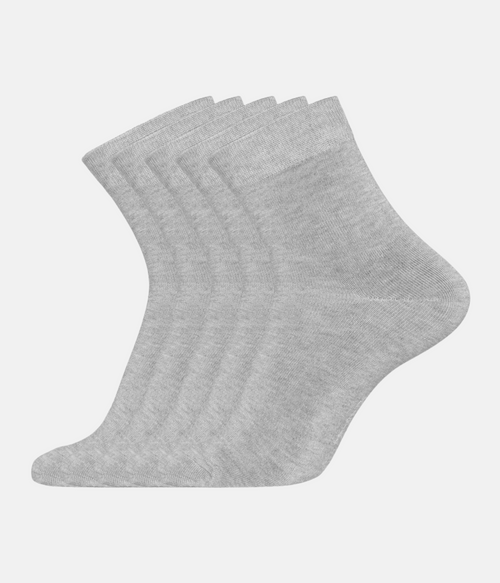
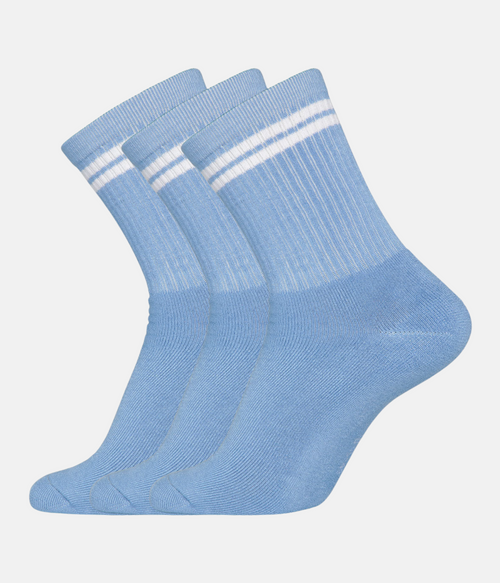
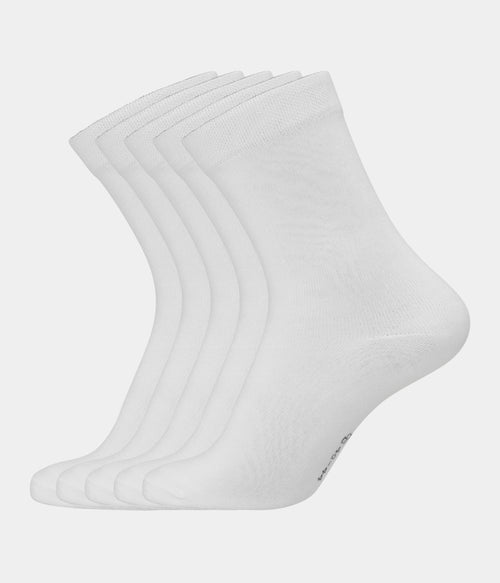
Clothes dry more slowly because the air is saturated both outside and inside. Socks and shoes that get wet in the morning are often still damp in the evening. Keep several pairs in rotation so a dry pair is always ready, and leave your shoes where they can dry fully between uses. See socks for men and women.
The inner layer moves moisture
The layer closest to your skin should move moisture away from your body so you are not walking around in clammy clothes. Even on a cold day you sweat a little when you walk briskly, cycle or carry shopping. A thin, soft inner layer that does not cling makes it easier to stay warm for the rest of the day.
The mid layer holds warmth
The mid layer is the one that insulates. It does not need to be thick, but it should trap air and keep it close to the body. In November it helps if it is easy to take off when you enter a warm room and quick to put back on before you head out into the wind.
The outer layer keeps the wind out
Without an outer layer that stops the wind, the inner layers only do half the job. Wind passes through knit and sweat fabric and takes the warm air with it. An outer layer that closes well at the neck and wrists makes a big difference on windy days, even when the thermometer shows no frost.
At home in the dark
When evenings are long, what you wear at home matters more. A soft set that is nice to sit in makes it easier to unwind after a wet day. Change into dry clothes as soon as you come in, and hang the damp things where air can reach them. That way they are ready again the next morning.
Washing and drying
Wash at a moderate temperature and let your clothes air dry, so they keep their shape and softness. Air out the room a few times a day so moisture from the laundry does not linger. Thin layers and socks dry fastest, which is a good reason to have a few more of them in November.
Frequently asked questions
Why does November feel colder than the numbers say
Because damp and wind work together. Five degrees in wind and rain feels colder than frost in still weather, since the wind and damp clothing pull heat from the body.
What should you wear in November
An inner layer that moves moisture, an insulating mid layer and an outer layer that keeps the wind out. Together they keep you dry and warm even on windy days.
Why do clothes dry more slowly in November
Because the air is saturated both outside and inside. Without dry air the moisture has nowhere to go, so it helps to air out the room and space out the laundry.