Transporting clothes, the major stages
Sep 20, 2026
Short answer: Clothes travel in three stages: from factory to port, across the sea in a container, and from warehouse to door. Shipping by sea covers the longest distance but the smallest share per item. The most costly stage per item is often the shortest one, the trip to your home.
Three stages from factory to door
The journey starts at the factory, where items are packed in boxes and driven to the port. From there they cross the sea in a container, and finally go from a warehouse in Europe to each customer. Each stage has its own logic, and knowing them helps you see where transport weighs most per item.
The ship is the efficient stage
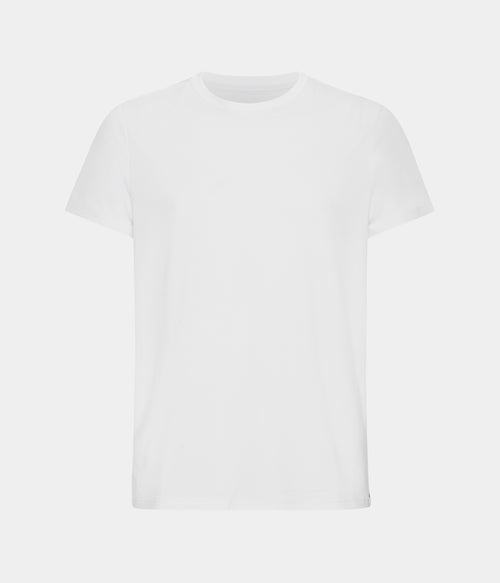
A container holds several thousand items, and the transport is shared across all of them. So the sea voyage is long in kilometres but small per item. That also applies to a bamboo tank top for men and other small items that take up little room in a box. The tighter the packing, the less space each piece needs.
From factory to port
The first stage usually runs by lorry from the factory to the nearest port. Many items are gathered on the same trip, so transport per piece is low. Boxes are packed to fill the container as well as possible. Customers rarely hear about this stage, but it is a fixed part of the journey for almost all clothing.
The last stage costs the most
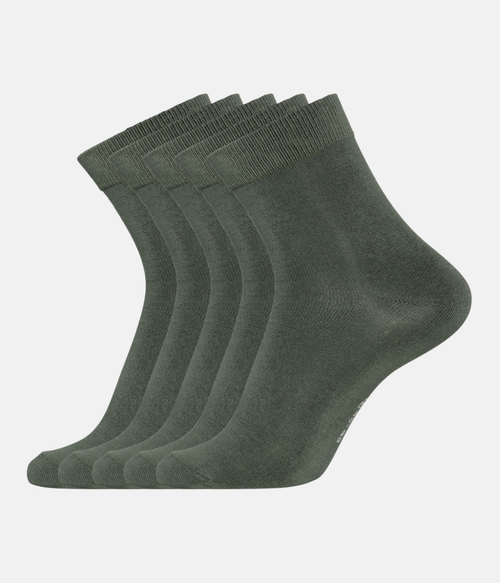
The trip from warehouse to your door is short but involves a single parcel in a van. This is where the cost per item is highest, also for bamboo socks. A van makes many short trips with few parcels, and each trip is shared by very few items. That is why the last stage matters most per item.
Air freight is the exception
Rush shipments by air use far more energy per item than ships. Planes are usually used when something must arrive very fast, for instance after a delay. That rarely applies to stock items like the best sellers from Copenhagen Bamboo, which are ordered well in advance. For regular stock, the ship is the normal route, even though it takes weeks.
Combined orders help
When several items arrive in the same parcel, the last stage is shared by more pieces. An order with three items takes up almost the same space in the van as one with a single item. So think about what you need before ordering, and combine it into one order when you can. It saves trips and makes each parcel more efficient.
Pickup instead of delivery
If you collect your parcel at a pickup point, the van drives to one place with many parcels instead of to many doors. That bundles the last stage. Many people also find a pickup point easier, since you do not need to be home to receive it. Choose the option that suits your routine and your area.
Patience is part of the answer
A delivery rarely needs to arrive the next day. When you are not in a hurry, slower delivery can group several parcels on the same trip. Not every shop offers the choice, but it is worth looking for. If you plan purchases a little ahead, choosing the calmer option becomes easy.
Frequently asked questions
How long does sea transport take
Five to eight weeks from Asia to Europe including customs clearance. That is why stock is ordered well ahead, so it is in the warehouse before it goes on sale.
Which stage weighs most
The last one, from warehouse to door, measured per item. A van makes many short trips with few parcels, so each item carries a larger share of the trip.
Can you choose slower delivery
Some shops offer it, and it groups several parcels on the same trip. Collecting at a pickup point works in a similar way, since the van only drives to one place.