Tumble dryer or washing line
Sep 20, 2026
Short answer: The dryer is fast and leaves clothes soft, but it costs lifespan in elastic and surface. The washing line is slow and free and protects the fabric most. With a simple mix of the two, you can get the best of both.
The dryer uses heat and movement
Both wear clothes down. Heat gradually breaks down elastane, so waistbands and edges lose their stretch, and movement pulls fibre ends up from the surface. Each cycle takes a little, and it adds up over time. You typically see it on a bamboo sweatshirt for men after half a year of daily use.
The line only costs time
Without heat or mechanical movement, almost nothing happens to the fibres while clothes dry. The fabric hangs still and the elastic is left alone. Clothes therefore last noticeably longer, in both fit and surface. That applies to everything from socks for men to the thickest layers in your wardrobe.
Why dryer clothes feel softer
The tumbling loosens the fibres and shakes the fabric, making it airy and soft. On the line, thicker fabrics can turn a little stiff, because the fibres dry at rest and lie close together. The stiffness usually goes once the garment has been worn briefly, or if you shake it well before hanging.
The combination that works
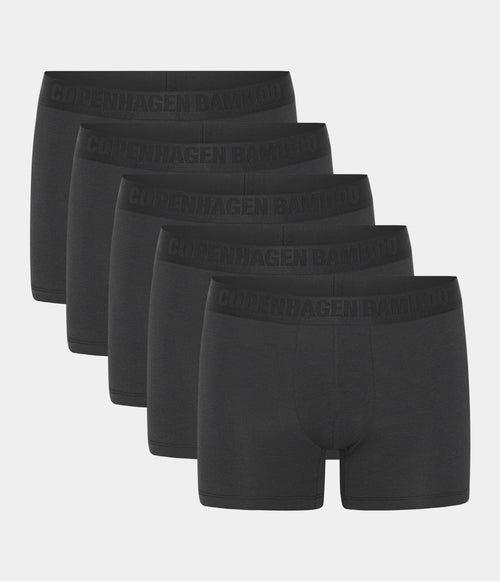
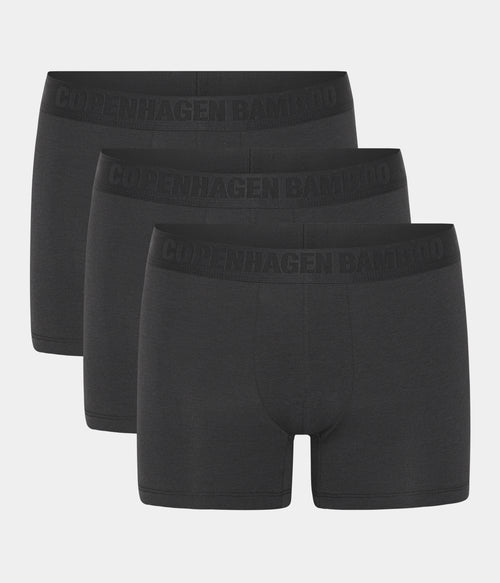
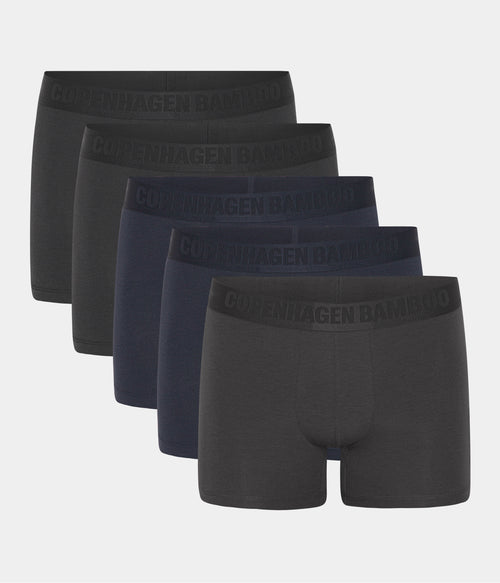
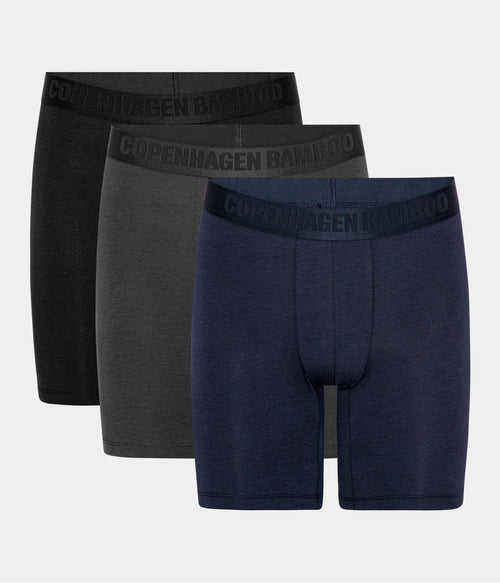
Tumble clothes briefly on low heat to soften the fabric, then hang them up until fully dry. You get the softness from the dryer without the long exposure to heat. It works well for towels and thick tops, and also for bamboo underwear for men, where the elastic is sensitive.
Shake and hang properly
A good shake before hanging smooths out creases and loosens the fibres. Hang tops over the line at chest height or on a hanger, so the shoulders do not get peg marks. Trousers can hang from the waistband. Lay heavy, wet knits flat so their own weight does not stretch them while drying.
Drying indoors
In winter or wet weather, clothes can dry indoors on a rack. Put it in a room with some air flow, and air the room now and then so moisture does not linger. Avoid hanging clothes straight on the radiator, as strong heat affects elastic and fabric in the same way as the dryer.
When the dryer makes sense
The dryer is handy when time is short or there is no room to hang clothes. Use it for items that can take it, and keep delicate and stretchy clothes out. Choose low heat and short programmes, and take clothes out while still slightly damp. That reduces wear considerably.
Lint from the two methods
The dryer gathers lint in the filter, so clothes look clean afterwards, but that lint is fibre from your own clothes. So it also creates more lint. On the line, the fibres stay in the fabric. If you struggle with lint on dark clothes, line drying is often the most effective fix.
Frequently asked questions
Do clothes last less in a dryer
Yes, with regular use elastic and surface wear faster, because heat and movement act on the fibres every time.
What does a dryer cycle cost
It depends on the machine and the price of electricity. The washing line costs nothing but a little extra time and space.
Is the dryer better against lint
It collects lint in the filter, but it also creates more, because fibres are pulled loose from clothes as they dry.
You can find the full range at Copenhagen Bamboo.