Why clothes feel different in different rooms
Sep 20, 2026
Short answer: The same garment feels warmer or cooler depending on humidity, air movement and how much heat the walls radiate. The temperature on the thermometer is only part of the picture, which is why twenty degrees can feel quite different from room to room.
Humidity changes the feel
In humid air, sweat cannot evaporate, and fabric feels clammy even at twenty degrees. The body's own cooling slows down, so the room feels warmer. That is why a long sleeve bamboo t-shirt feels warmer in a bathroom after a shower than in a living room with drier air, even at the same reading.
Draughts remove the warmth
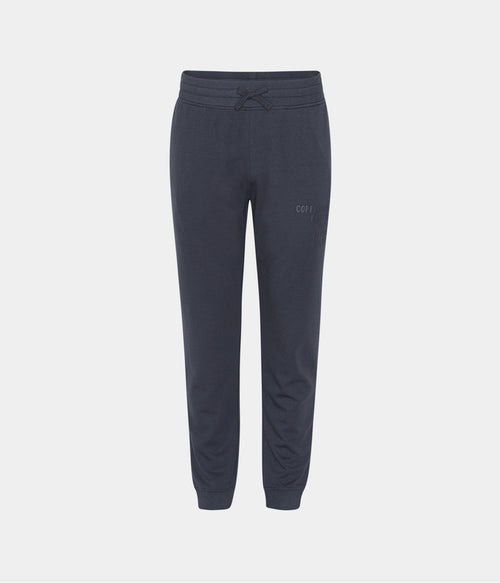
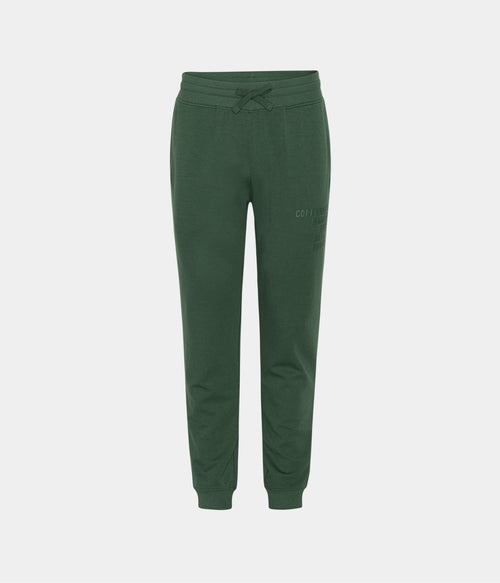
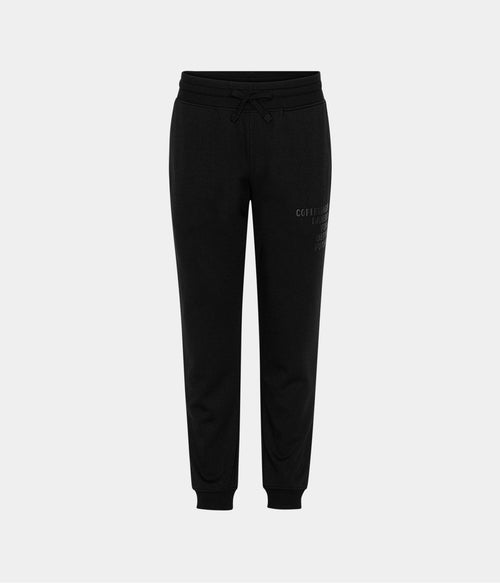
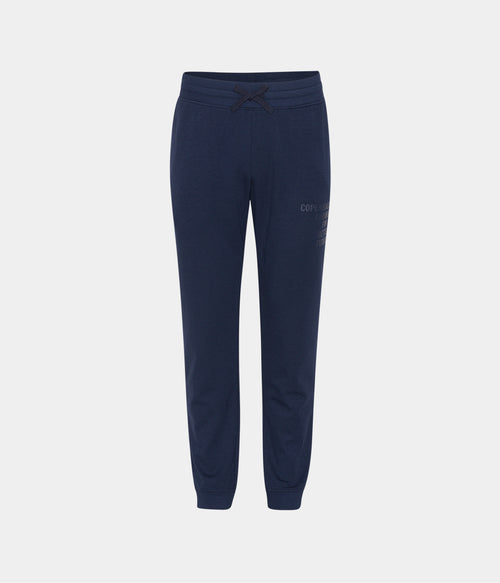
The body warms a thin layer of air between skin and clothes, and that layer insulates. Even a light draught carries it away and replaces it with cold air. That is why you get cold under a vent or by a leaky window in bamboo sweatpants for men, even when the room is otherwise warm.
The walls radiate too
The body exchanges heat with every surface around it. Cold outer walls and large windows draw heat from the body even when the air is warm. You feel it most in thin layers such as a bamboo tank top for men, where little fabric sits between your skin and the cold room.
The floor matters more than you think
Cold air is heavier than warm air and gathers near the floor. So feet and legs can feel cold while the upper body is fine. A tiled floor also feels colder than a wooden one at the same temperature, because it draws heat away faster. Warm socks and a layer on the legs often do more than an extra top.
Activity changes what you need
When you move, the body makes more heat, and the same clothes feel warmer. Sitting still at a desk, heat production drops and you start to feel cold. That explains why a room feels pleasant while you tidy up but chilly when you sit down with a book. Adjust your layers to what you are doing.
Layers give flexibility
Several thin layers are easier to adjust than one thick one. A close fitting inner layer holds the warm air, and a looser outer layer can come on and off as needed. You can then move from a cool bedroom to a warm kitchen without changing everything. Soft, breathable layers make the switch more comfortable.
What the fabric itself does
A fabric that lets moisture through feels less clammy in humid rooms, because sweat can escape. A dense, smooth fabric holds the air layer better in a draught. No single fabric suits every room, but once you know what is happening, you can choose the layer that fits where you spend most time.
Small changes at home
You can often change how a room feels without turning up the heat. Draw the curtains in the evening to reduce the chill from windows, move your chair away from the vent, and air rooms briefly and thoroughly rather than leaving windows open all day. A rug on a cold floor also makes a clear difference for your feet.
Frequently asked questions
Why does twenty degrees feel different in two places
Because humidity, draughts and the heat radiated from walls and windows differ between the two rooms, even when the air temperature is the same.
What helps in a draughty room
Choose a close fitting inner layer so the air layer is not blown away, and move your seat away from vents and leaky windows.
Is a humid room warmer
It feels warmer, because the body's own cooling slows down when sweat cannot evaporate from the skin through the fabric.
You can find the full range at Copenhagen Bamboo.