Warmth compared
Sep 12, 2026
Short answer: Wool is the warmest, followed by thick fabrics made of cotton and bamboo. When it comes to warmth, the thickness of a fabric and the air inside it matter more than the fibre itself, so it pays to think in layers rather than materials.
Air keeps you warm, not the fibre
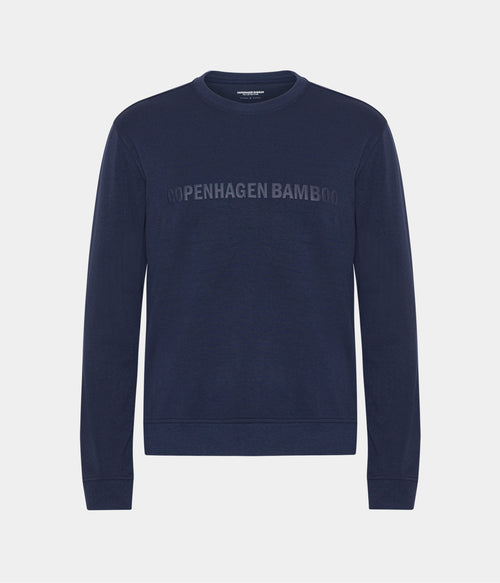
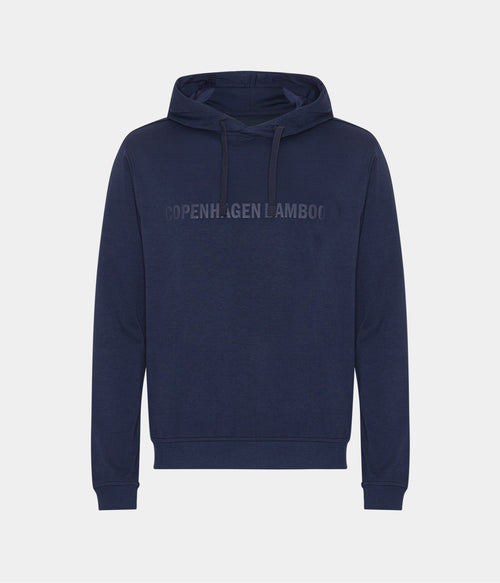
It is the air between the fibres that insulates. Your body warms that air, and the fabric holds it close to the skin. That is why a thick, airy fabric is warmer than a thin, dense one, even with the same fibre. See the heavier qualities in bamboo sweat for men and women.
Thickness and density
When you compare two jumpers, look at thickness before material. A thick fabric with a soft, slightly brushed inside traps more air than a smooth, thin one. A dense fabric, on the other hand, lets less wind through. The warmest choice is a fabric with some body that sits calmly without pulling.
Wool stays warm when damp
Wool keeps insulating after the fibres have absorbed moisture. That is its biggest advantage and the reason wool is so common for long days outdoors in the cold. The moisture sits inside the fibre, so the surface does not feel wet straight away. Some people do find wool itchy, though.
Bamboo viscose keeps the skin dry
Bamboo viscose works differently. It insulates less than wool, but it moves moisture away from the skin. Dry skin feels the cold less than damp skin, especially when you move between warm and cold. That makes it a good base layer, such as bamboo undershirts for men, which sit softly against the body.
When cotton gets damp
Cotton absorbs a lot of moisture and releases it slowly. That is comfortable in dry weather, but when you sweat, the fabric stays damp against the skin. Some of the warmth is then lost. Cotton therefore works best as a middle layer or on quiet days when you are not moving much.
Layers beat thickness
Two thin layers hold more air than one thick layer, because there is also air between them. You can also take a layer off indoors and put it back on outside. That is easier to adjust than a single thick jumper. See the thin layers in bamboo tank tops for men, which lie flat under a shirt.
How to build three layers
The inner layer should move moisture away from the skin, and a thin bamboo viscose fabric is a good choice here. The middle layer should insulate, so a thick sweat, fleece or wool jumper gives the most warmth. The outer layer keeps out wind and rain. Each layer has its own job.
Fit and warmth
A layer that is too tight squeezes out the air and keeps you less warm. A layer that is too loose lets cold air in at the hem and the neck. The best fit sits close without pressing, especially for the inner layer. The middle layer can be slightly roomier so it does not compress the one underneath.
Frequently asked questions
Does bamboo keep you warm
As a base layer yes, because it keeps the skin dry and dry skin feels the cold less. As insulation no, wool and thick fabrics do that job better.
What is warmest at the same thickness
Wool. The fibre holds more air than cellulose and synthetic fibres, and it keeps insulating even after it has taken up some moisture from the body.
How do you dress for the most warmth
Three layers. One that moves moisture away, one that insulates and one that keeps the wind out. That also lets you adjust as you go in and out.