What antibacterial means in textiles
Sep 12, 2026
Short answer: Antibacterial means that a fabric should inhibit the growth of bacteria. For finished clothing, such a claim needs documentation, so it is worth reading it with care. The effect most people notice in daily life has more to do with moisture than with bacteria.
What the word means
An antibacterial fabric should slow or inhibit the growth of bacteria on its surface. That sounds simple, but it is a property that must be measurable on the finished product, not just on the raw material. A word on a label is therefore not proof in itself. It is a claim that whoever makes it should be able to back up.
The claim needs documentation
If a garment is marketed as antibacterial, the effect must be documented for the exact fabric in that product. Without documentation, it is marketing rather than a property. A sober product description will instead explain what the fabric does in everyday use, which is to move moisture away from the skin.
Plant and fibre are not the same
The bamboo plant contains substances that have a protective effect in the plant. To make viscose, however, the cellulose is chemically dissolved and formed into new fibres. There is no documentation that the plant's own substances survive that process. So the plant's properties cannot simply be transferred to the finished fabric, even though that is often done.
What happens in practice
The effect many people notice comes from the fabric keeping the skin drier. Bacteria work more slowly in a dry environment, so less odour develops. This is not a special treatment but a result of cellulose fibres absorbing moisture and letting it evaporate. You notice it most in close-fitting pieces such as bamboo slips.
Added treatments
Some fabrics are treated with antibacterial agents, for example silver or other additives. In that case the effect is a treatment of the fabric, not a property of the fibre. The treatment can weaken over time and partly wash out. If you want to know whether a product is treated, check the product description or ask the retailer directly.
What you can do yourself
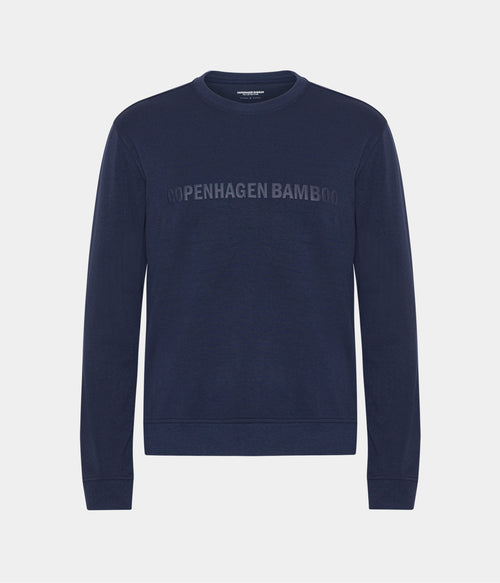
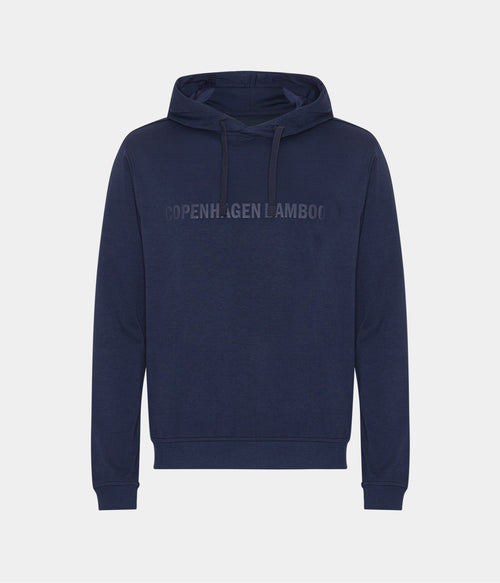
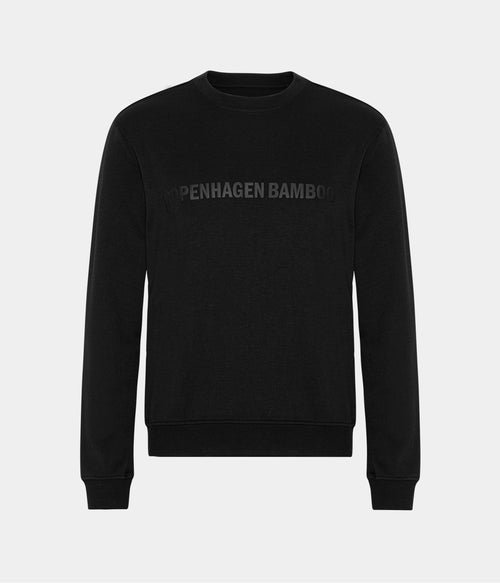
Changing daily and washing at 40 degrees does more for odour than any treatment. Use the recommended dose of detergent and skip fabric softener, as it leaves a film on the fibres that holds on to grease and odour. This applies to bamboo sweatshirts for women as well as to bamboo clothing for men.
Airing between wears
Outer layers such as sweatshirts and cardigans do not need washing after every wear. Hang them overnight somewhere with good airflow so they can dry fully. Dry fabric gives bacteria poorer conditions, and much of the odour fades on its own. Clothes worn directly against the skin all day should still be washed after each wear.
How to read such claims
When you see words like antibacterial or odour free, ask yourself what lies behind them. Was the effect measured on the finished product, or is it borrowed from the plant or the fibre? Is the fabric treated, or is it a property of the material? A sober answer to those questions tells you more than the words on the label.
Frequently asked questions
Is bamboo naturally antibacterial
The plant contains substances with a protective effect, but there is no documentation that they survive the viscose process. So you cannot say that the finished fabric is antibacterial on its own.
Why does bamboo clothing smell less
Because the fabric moves moisture away from the skin. Dry fabric gives bacteria poorer conditions, so less odour develops. Washing and airing still matter most in everyday life, though.
Can antibacterial agents be added
Yes, they exist, but then it is a treatment of the fabric rather than a property of the fibre. The treatment can weaken over time and partly wash out with repeated washing.