What are bobbles
Sep 12, 2026
Short answer: Pilling is small balls of tangled fibres on the surface of a fabric. It forms where the fabric rubs against something else, and on its own it says nothing about quality. Pills can be removed, and you can limit how many appear.
How they form
A fabric is made of yarn, which in turn is made of many short or long fibres. With friction, loose fibre ends lift from the surface and tangle together. Gradually they roll into a small ball that stays on the fabric, because it is still anchored in some of the fibres, see bamboo tank top for men.
Where they appear first
Pills appear first where two surfaces meet and rub. Typical spots are under a bag strap, at the sides where the arms rub, on the elbows and on the inner thighs. On socks you often see them under the foot and at the heel. Where they sit shows where the garment meets the most friction, see bamboo socks for men.
Fibre length matters
Short fibres have more loose ends per centimetre of yarn than long fibres, so they pill more easily. That is why even expensive fabrics can pill if the yarn is spun from short fibres. Loosely spun yarn and soft, airy knits also pill more, because the fibres work free of the yarn more easily.
Pilling does not tell the whole story
It is a common misunderstanding that pilling is a sign of poor clothing. It depends on fibre type, yarn construction and how much friction the fabric meets. A soft fabric can pill a little and still last for years. A hard, smooth fabric may stay free of pills but feel less comfortable on the skin.
How to remove them
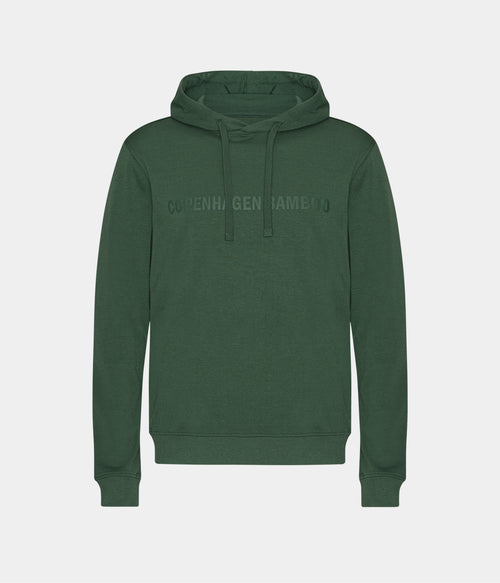
A fabric shaver removes pills in a minute, and the fabric is not harmed when you use it gently. Lay the garment flat, hold the shaver lightly against the fabric and move in small circles. Avoid pulling pills off with your fingers, as you pull more fibres out, see bamboo hoodie for men.
Wash inside out
When clothes are inside out in the machine, the inner side rubs against the other laundry, not the side you see. That greatly limits pilling on the front. Use a gentle cycle for soft knits, and do not fill the machine completely, so the clothes can move without rubbing as much.
Keep hard materials out of the same wash
Jeans, zips, velcro and hard surfaces act like sandpaper on a soft fabric. Wash soft jumpers, hoodies and underwear separately or with similar clothes. Close zips and velcro before washing. The tumble dryer also adds friction, so drying on a rack is the better choice.
Small everyday habits
Switch the shoulder you carry your bag on, so the strap does not always rub the same spot. Choose a bag with a soft strap if you carry heavy loads. Let garments rest for a day between wears, so the fibres can settle. Small habits like these make a clear difference in how quickly pills appear.
Frequently asked questions
What is pilling
Small balls of tangled fibre ends on the surface of a fabric, formed by friction during wear, typically where two surfaces meet and rub.
Does pilling mean the fabric is poor
No. It depends on fibre type, yarn and friction. Even expensive fabrics pill if the fibres are short, or if the fabric is exposed to a lot of rubbing.
Can you prevent pilling completely
Not completely, but you can limit it. Wash inside out, keep hard materials out of the same load and switch the shoulder you carry your bag on.