What happens to faulty production
Sep 20, 2026
Short answer: Faulty items are sorted out and either repaired, sold as seconds or recycled. They do not go into the regular range, and inspection during production decides which way they go.
Faults are part of any production
Even a well-run factory makes items with faults. A thread can snap, a machine can drop a stitch, or a colour can differ slightly from the rest of the batch. This is not a sign of poor work, but a condition of making many identical items on machines. What matters is that faults are found.
Small faults are repaired
A loose thread or a missing stitch can be fixed in minutes, and the item moves on. It takes a sewer who knows what to look for and a calm workflow. This also applies to bamboo t-shirts for men with small cosmetic flaws that can be fixed so nothing shows afterwards.
Larger faults are removed
If there is a hole in the fabric or the measurements are wrong, the item cannot be sold as first quality. A sock with a hole in the heel or a top with crooked side seams does not do its job. It goes to a different channel than the socks for men in the shop and is never mixed with faultless items.
What happens in the end
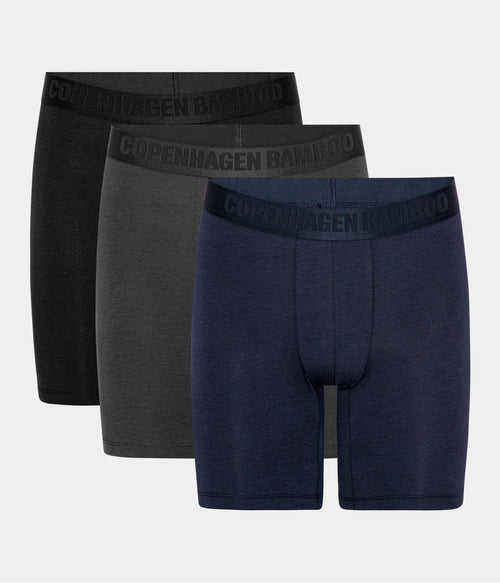
Seconds are sold cheaper with the fault stated, and the rest goes to recycling or becomes rags. Depending on the material, the fabric can become filling, insulation or new yarn. It is part of any production, including bamboo underwear for men, where faults are removed before packing.
Why faulty items are not sold as new
A faulty item may work fine at first, but the fault often grows with wear and washing. A small hole widens, and a crooked seam pulls the fabric out of line. If such items were sold as new, customers could not rely on getting the same standard every time they buy.
What a cosmetic flaw is
A cosmetic flaw is a visible deviation that does not affect function. It can be a slight colour difference, a small mark in the fabric or a seam that sits slightly off. The item can be worn without problems, but it does not look quite like the rest. Such items are typical seconds.
What to do if you get a faulty item
Even with thorough checks, a single faulty item can slip through. Stop using it, keep your order confirmation and contact the shop with a short description and ideally a photo. A fault present from the start is covered by your legal right to complain, and the shop must resolve it.
Less waste makes sense
The best faulty item is the one never made. That is why checks happen early in production, so fabric faults are found before sewing. When faults still occur, repair or recycling is better than throwing the item away. It saves both material and work.
Frequently asked questions
How large a share has faults
Typically between one and five percent of a production batch. The share depends on the type of item and how early in the process faults are caught.
Can you buy seconds
Some producers sell them, but it is not common in regular shops. If they are sold, the fault must be clearly stated to the buyer.
What is a cosmetic flaw
A visible deviation that does not affect function, such as a colour difference. The item works as normal but does not look quite the same.