Quality control at a textile factory
Sep 20, 2026
Short answer: Inspection happens in three steps: on the fabric before cutting, on the garment after sewing and on a sample from each production batch. Faults are caught as early as possible because that is cheapest and wastes the least.
Why early checks pay off
The further a fault gets through production, the more work has gone into it. A hole in the fabric costs almost nothing to catch on the roll, but a lot if it is found on a finished garment. So inspection is set up to stop most faults before anything is cut, sewn and packed.
The fabric is checked first
A roll of fabric is inspected for holes, streaks and colour differences before cutting. The fabric runs over a light table, and faults are marked so the cutter can avoid them. A fault caught here means no sewing time is wasted on long-sleeve styles or other garments that would be rejected later.
Cutting and measurements
After cutting, the pieces are checked against the pattern. Crooked or undersized pieces cannot be sewn into a garment with the right fit. With knit this matters even more, since the fabric can distort if it lies unevenly on the table. Small deviations here become large ones in the finished garment.
The garment is checked after sewing
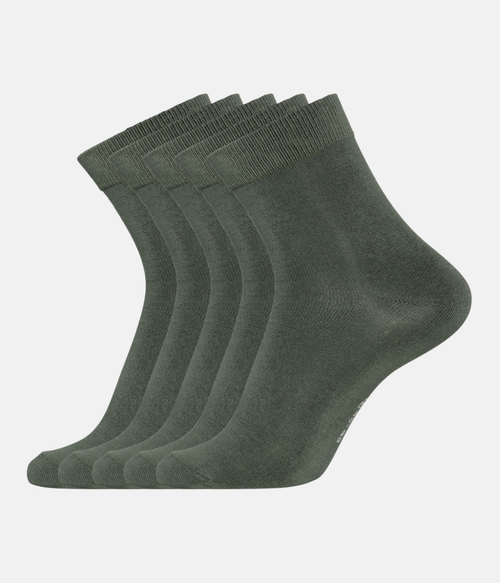
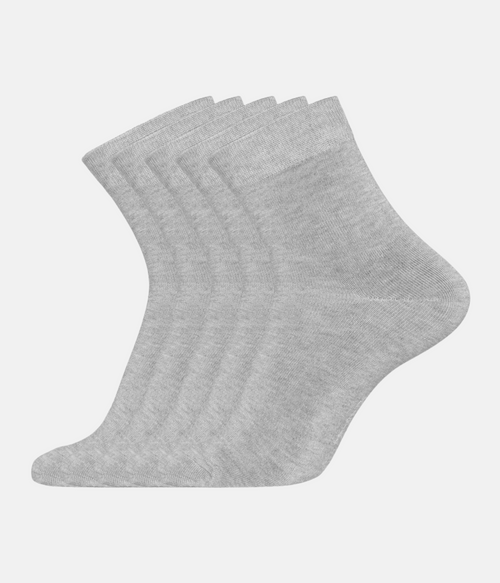
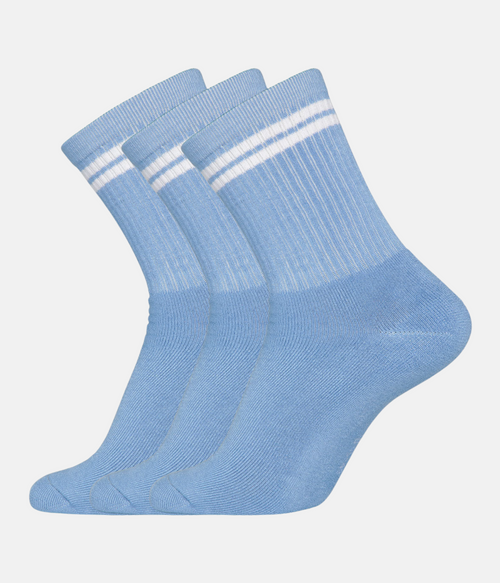
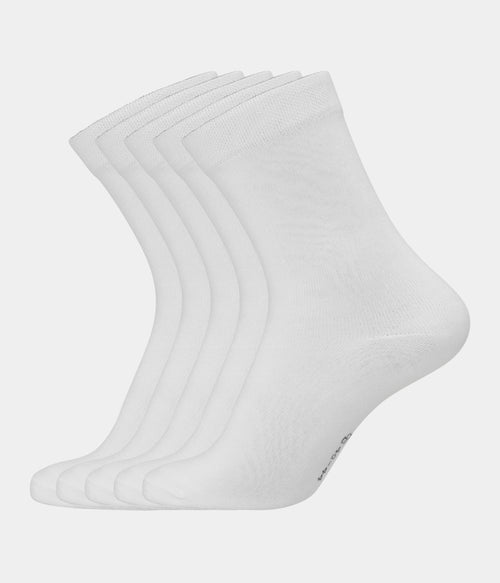
Every finished garment is checked for loose threads, crooked seams and missing labels. This also applies to socks for women, where heel and toe are checked separately because those spots carry the most strain. An inspector turns the item, tugs lightly at the seams and looks for holes.
Samples from each batch
A number of garments are measured and washed to check shrinkage and colour fastness. The results are compared with the target measurements. That is why you can expect bamboo slips to behave as intended in the wash and not come out of the machine a size smaller.
What inspection cannot catch
Inspection tests the garment as it leaves the factory. It cannot say exactly how it will look after a year of use. That also depends on washing, drying and how often it is worn. This is why the care label is part of the quality, not just a formality.
What you can check yourself
When a new garment arrives, look at the seams, especially at shoulders, waistband and armholes. They should lie straight and even without loose threads. Pull lightly on the fabric and see whether it gives and springs back. If you find a fault, contact the shop instead of wearing the item.
If a fault slips through
No inspection is perfect, and a single item can slip past. That is what the legal right to complain is for. Keep your order confirmation and describe the fault as precisely as you can, ideally with a photo. The shop can then assess it quickly and find a solution without taking much of your time.
Frequently asked questions
How many items are checked
All are looked over, and a percentage are measured and tested thoroughly. The mix gives both breadth and depth without washing every single item.
What happens to a faulty item
It is repaired if possible, otherwise it is removed. A loose thread is quick to fix, while a hole in the fabric can rarely be repaired neatly.
Can a fault slip through
Yes, inspection is never perfect. That is why the right to complain exists, so you can contact the shop if an item has a fault.