What happens when two fabrics rub together
Sep 20, 2026
Short answer: When fabrics rub, fibre ends are pulled up, charge moves between the materials, and the surface warms up. All three wear the fabric down over time. Once you know where the rubbing happens, you can do a lot to protect your clothes day to day.
Fibre ends are pulled up
The mechanical strain pulls single fibres out of the surface, and they can then tangle into pills. It happens gradually and only shows once enough small fibres have gathered. It usually starts at friction points such as inner thighs, knees and seat, which is why it shows first on bamboo sweatpants for women.
Charge moves around
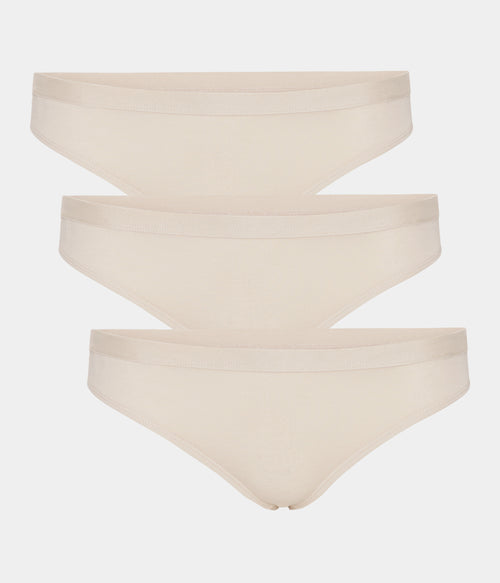
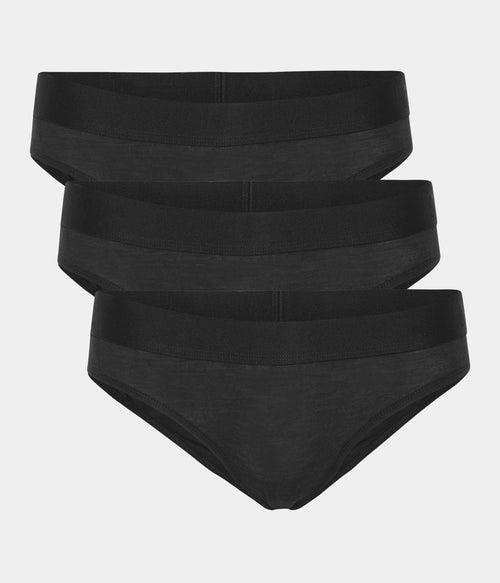
Two different materials give off and pick up electrons when they touch, and the result is static electricity. The more different the materials, the more charge builds up. You notice it most between synthetic layers and bamboo underwear for women, where the fabric may crackle or cling to the skin.
Heat builds up locally
Friction turns movement into heat, and in one small spot the temperature can rise noticeably. You do not feel it as warmth on your body, but the surface fibres are affected. Over time the surface turns shiny and slightly harder to the touch, as on bamboo socks at the heel, where the shoe rubs every day.
Where rubbing happens
Most wear comes from ordinary movement. Bags and straps rub on shoulders and hips, thighs rub together as you walk, and shoes rub on heels and toes. Chair and car seats wear the back of your clothes. Look for the spots on your own clothes where the fabric changes first, and you will know where to take care.
Rough against smooth wears most
When a rough material meets a smooth one, the soft, smooth fabric usually loses. The rough material acts almost like fine sandpaper. A backpack made of coarse fabric against a soft top is a classic example. Choosing a bag with a smooth surface or a softer strap moves much of the wear away from your clothes.
A middle layer moves the friction
A smooth layer between the rough material and your clothes can take most of the rubbing. It might be a thin jacket under a backpack or thin socks under thicker wool socks. The middle layer wears instead, and it is often cheaper and easier to replace than the layer you want to keep looking good.
Washing and drying play a part
Friction does not only happen on the body. In the washing machine and especially the dryer, clothes rub against the drum and each other for a long time. Turn garments inside out, close zips and hook fasteners, and use gentle programmes. Line drying protects the surface most, since nothing moves while it dries.
Signs to watch for
The first signs of wear are small changes in the surface, not holes. The fabric may turn shiny, a little fuzzy or feel smoother than the rest. If you catch it early, you can change a habit, such as switching bags or washing differently, before the wear becomes visible to others.
Frequently asked questions
Which combinations wear the most
A rough fabric against a smooth one, such as a backpack against knitwear or coarse denim against a soft underwear fabric.
Can you detect wear before it shows
Feel with your fingertips. Worn areas feel smoother than the rest, even before the colour or surface changes clearly.
Does wearing a layer in between help
Yes, a smooth middle layer moves the friction away from the part of your clothes you want to keep looking good for longest.
You can find the full range at Copenhagen Bamboo.