What is bamboo viscose
Sep 12, 2026
Short answer: Bamboo viscose is a fabric made by dissolving cellulose from bamboo and spinning it into new fibres. The raw material is a plant, but the fibre itself is manufactured and does not exist in that form in nature. That explains both how the fabric feels and why the label says viscose.
From plant to fibre
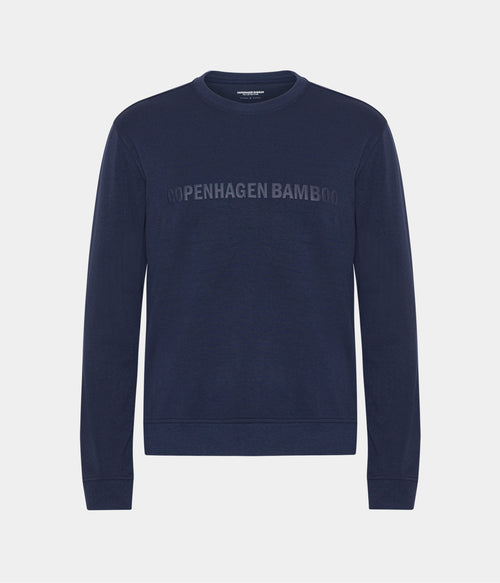
The bamboo stalks are chipped and cooked so the cellulose separates from the rest of the plant. The pulp is dissolved and pressed through fine nozzles to form long threads. The threads are hardened and spun into yarn, which is then knitted or woven into fabric. That yarn becomes the soft fabrics in the women's bamboo sweatshirt.
Why it is called a regenerated fibre
Textile fibres fall roughly into three groups: natural fibres like cotton and wool, synthetic fibres like polyester, and regenerated fibres like viscose. Regenerated means that a natural raw material, here cellulose, is dissolved and formed again. The fibre is therefore neither fully natural nor fully synthetic, but somewhere in between.
Why the fabric feels smooth
The fibres are long and uniform, and the surface is even, because they are shaped through a nozzle. That is why the fabric feels smooth and soft against the skin, without the small irregularities many natural fibres have. You notice it most in garments worn close to the body all day, such as a bamboo bra.
Moisture and drape
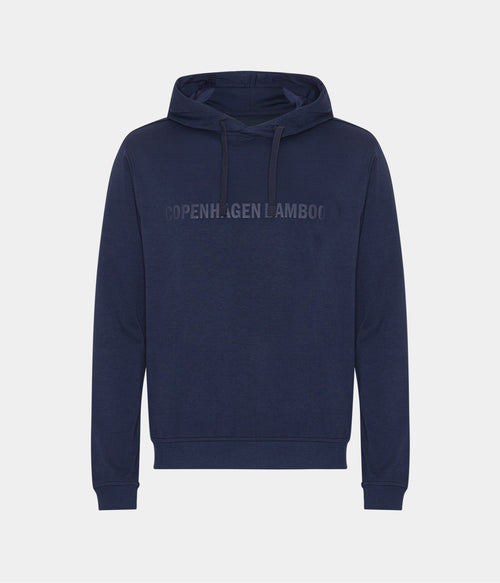
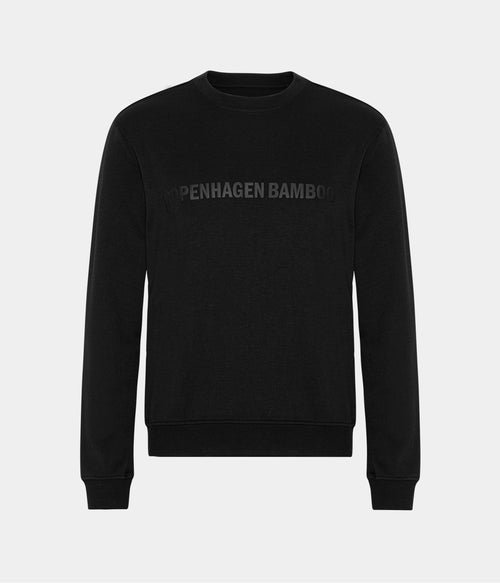
Viscose absorbs moisture and releases it again, which makes the fabric comfortable in changing temperatures. It also has a relatively heavy drape, so it hangs well and follows the body without sticking out. At the same time, it creases less than thin cotton, which makes it practical for everyday wear. See it in practice among the most popular men's pieces.
Bamboo viscose compared with cotton
Cotton is a natural fibre that is harvested and spun directly, while bamboo viscose requires a chemical process. Cotton is often a little more resistant to abrasion, while viscose feels smoother and softer. Viscose usually shrinks a little more than cotton in a hot wash. Both have their advantages, and many people wear them side by side.
How to wash bamboo viscose
Viscose is strongest when dry and slightly weaker when wet. Wash it gently at 30 or 40 degrees with a mild detergent, and avoid wringing it hard. Skip the tumble dryer, as the heat can make the fabric shrink. Hang the garment to dry and gently pull it into shape while it is damp.
What to expect over time
With the right care, bamboo viscose keeps its softness for a long time. The fabric may pill a little where there is a lot of friction, such as under the arms, but the pills can be removed with a lint roller. Colours last best when you wash the garment inside out and dry it in the shade. These are the same simple habits that apply to most soft fabrics.
What the label says
The label usually says viscose, sometimes with a note that the cellulose comes from bamboo. This is because textile rules require the fibre to be named after how it is made, not just after the raw material. If elastane is listed as well, it has been added to give the fabric stretch and help it keep its shape.
Frequently asked questions
Is bamboo viscose a natural fibre
The raw material is natural, but the fibre is made through a chemical process. It is therefore called a regenerated fibre rather than a natural one.
Is it the same as viscose from wood
The process is the same. The difference is which plant the cellulose comes from, which can give small differences in how the fabric feels.
Why does the label say viscose
Because that is the correct textile term under the rules. Bamboo names the raw material, so it often appears alongside as additional information.